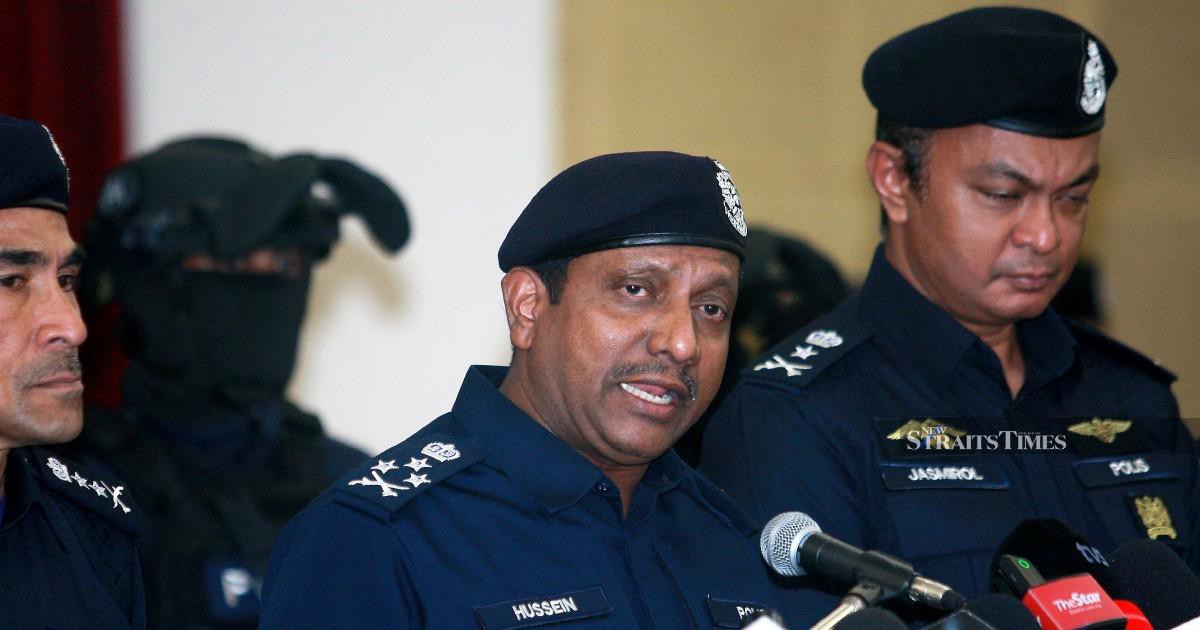
Four officers from the Bukit Aman Narcotics Crime Investigation Department touched down in Jakarta on Friday morning, beginning what promises to be a pivotal phase in the cross-border investigation into a Malaysian pilot detained in Indonesia. The arrival of the NCID team signals an escalation in formal cooperation between Malaysian and Indonesian law enforcement, as authorities in both countries work to unravel the circumstances surrounding the pilot's arrest and alleged involvement in narcotics-related activities.
The visiting investigators have been granted access to the detainee for a two-day period, a window that Malaysian authorities will use to conduct comprehensive questioning and gather critical evidence directly from the pilot. This timeframe is crucial in the early stages of any transnational drug investigation, as initial statements and disclosures from the suspect can significantly shape the investigative trajectory and help establish the scope of alleged offences.
The movement of the NCID contingent to Jakarta underscores the gravity with which Malaysian authorities are treating this case. Rather than relying solely on formal diplomatic channels or written submissions, the personal presence of narcotics investigators allows for real-time questioning, clarification of inconsistencies, and the exploration of leads that may have emerged during preliminary interviews conducted by Indonesian police.
Indonesia's decision to facilitate this two-day access demonstrates a commitment to regional cooperation on drug enforcement, an issue that has long been a priority for both nations. The Indonesian authorities' willingness to grant Malaysian investigators direct access to their detainee reflects the serious nature of the allegations and suggests that both countries view the case as significant enough to warrant coordinated efforts.
For Malaysia, this development represents an important precedent in how narcotics cases involving citizens abroad are handled. The ability to deploy investigators to conduct interviews in foreign jurisdictions, rather than waiting for extradition or relying on rogatory letters, can accelerate investigations and improve the quality of evidence gathering. Such proactive engagement also reinforces Malaysia's commitment to combating drug trafficking at the source, particularly when citizens are implicated in crimes with international dimensions.
The pilot's arrest itself carries particular sensitivity given the aviation sector's profile and the potential reputational implications for Malaysia's airline industry. Pilots occupy positions of considerable responsibility and trust, and any criminal allegations involving aviation personnel attract heightened scrutiny from regulators, industry bodies, and the travelling public. This makes the thorough and transparent handling of the case all the more important.
The two-day window available to the NCID officers will likely be spent conducting detailed interviews aimed at establishing the pilot's involvement in any alleged narcotics operations, identifying potential co-conspirators or networks, determining trafficking routes and methods, and understanding the broader criminal enterprise. Officers will also seek to clarify the pilot's movements, communications, and financial transactions that may be relevant to the investigation.
Background cooperation between Malaysia and Indonesia on drug enforcement has intensified in recent years as both nations have faced rising narcotics threats. The two countries share significant maritime borders and face challenges from trafficking networks that exploit porous routes. Enhanced coordination on cases involving citizens of either nation reflects a mutual recognition that unilateral enforcement efforts have limitations when suspects, drugs, and proceeds cross national boundaries.
The case also highlights how aviation and international travel can inadvertently become vectors for drug trafficking. Pilots with access to aircraft, knowledge of international routes, and ability to cross borders with minimal scrutiny may be targeted by organised crime syndicates. This intersection of aviation and narcotics crime is a concern shared by aviation authorities and law enforcement agencies throughout Southeast Asia.
As the NCID investigators commence their work in Jakarta, the information they gather will likely inform subsequent charges or investigative steps in Malaysia, should the pilot face prosecution in Malaysian courts. The quality of evidence obtained during this two-day window could prove determinative in any legal proceedings, making the professionalism and thoroughness of the questioning session essential.
The case also serves as a reminder of the interconnected nature of crime in the region. No single nation can effectively combat transnational organised crime without robust cooperation mechanisms, mutual legal assistance frameworks, and the willingness of neighbouring countries to facilitate cross-border investigation. Malaysia's deployment of investigators to Jakarta demonstrates this commitment in practical terms.
Moving forward, the next critical milestones will involve the NCID team completing their interviews, returning to Malaysia with their findings, and determining what charges or further investigative steps are warranted. Indonesian authorities will simultaneously conduct their own proceedings based on allegations under their jurisdiction. The coordination between the two investigations, and how information is shared between them, will be crucial to ensuring comprehensive accountability and preventing gaps that organised criminal networks might exploit.

