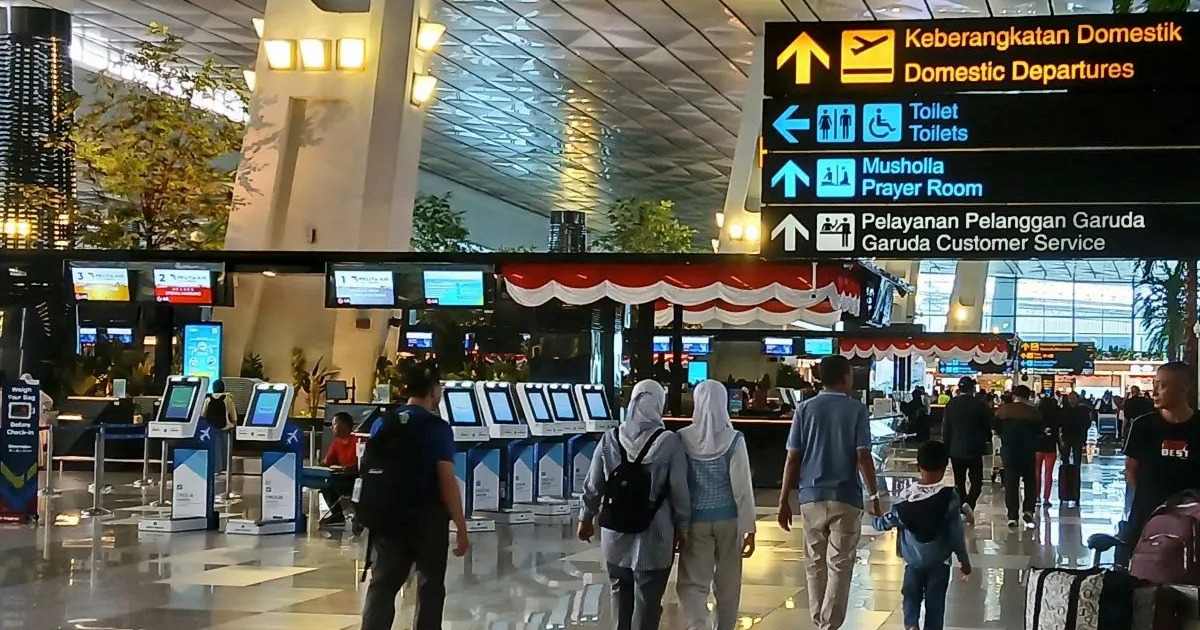
Indonesian airport authorities have arrested a Malaysian pilot on suspicion of attempting to bring a substantial quantity of illicit drugs across the border, marking another high-profile narcotics case involving aviation personnel in Southeast Asia. The detained pilot allegedly concealed ecstasy tablets totalling 25 kilograms among personal baggage, representing one of the larger pharmaceutical-grade drug seizures at regional airports in recent months.
The scale of the confiscated consignment—comprising more than 70,000 individual ecstasy pills alongside other narcotics—underscores both the persistent vulnerability of air transport networks to drug trafficking and the sophistication of smuggling operations targeting Southeast Asian routes. The arrest highlights how transnational criminal syndicates continue to exploit aviation corridors, often enlisting professionals with legitimate airport access to move contraband through security checkpoints.
For Malaysian aviation professionals, this incident carries significant reputational implications within an industry already subject to enhanced scrutiny following previous drug-related arrests involving air crew members. The case will likely prompt Malaysian regulatory authorities and airlines to reassess crew vetting procedures and implement additional compliance monitoring for personnel with international flight assignments.
Indonesia maintains among the region's strictest drug enforcement protocols, with narcotics trafficking carrying mandatory minimum sentences and potential capital punishment for large-scale operations. The arrest reinforces Jakarta's demonstrated commitment to intercepting drug shipments at primary entry points, a stance that has positioned the country as a stringent enforcement environment within ASEAN despite ongoing transhipment challenges.
The timing and method of this smuggling attempt reveal evolving trafficking patterns, as organised crime networks increasingly utilise insider assistance from employees within legitimate transport sectors. Aviation personnel possess inherent operational advantages—including security clearance, reduced luggage scrutiny, and knowledge of checkpoint procedures—making them attractive recruitment targets for drug trafficking organisations seeking reliable smuggling conduits.
This arrest occurs within a broader context of escalating synthetic drug production and distribution across Southeast Asia, where methamphetamine and ecstasy remain high-demand commodities commanding substantial profit margins. Malaysian enforcement agencies have documented increasing seizures of both locally-manufactured and imported MDMA products, indicating robust demand throughout the region's urban centres and expanding recreational drug markets among younger demographics.
The incident may prompt enhanced bilateral cooperation between Malaysian and Indonesian authorities on aviation security matters, potentially leading to revised protocols for crew screening and luggage inspection procedures at shared border airports. Both nations maintain significant air traffic volumes requiring efficient processing, creating inherent tension between security thoroughness and operational expediency that smugglers frequently exploit.
For Malaysian carriers, reputational damage extends beyond individual employees, as international operators and route-licensing authorities assess organisational compliance and employee integrity programmes. Airlines operating through Indonesia must demonstrate comprehensive anti-narcotics policies and crew accountability mechanisms to maintain operational permits and stakeholder confidence.
The broader implications for Southeast Asia's drug control framework centre on the persistent challenge of securing transportation infrastructure against determined trafficking operations. Despite investments in scanning technology, intelligence sharing, and personnel training, drug syndicates continue identifying vulnerabilities and recruitment opportunities within legitimate commercial sectors, suggesting that purely enforcement-focused strategies require supplementation through demand reduction and supply chain disruption initiatives.
This case also illustrates the personal consequences for individuals ensnared in drug trafficking conspiracies, whether through coercion, financial desperation, or voluntary participation. Malaysian aviation professionals convicted in Indonesian jurisdictions face prolonged incarceration under foreign legal systems, limited consular assistance, and permanent career termination within the industry.
Looking ahead, this arrest will likely inform policy discussions within ASEAN forums regarding standardised crew vetting procedures, information-sharing mechanisms for flagging high-risk personnel, and harmonised penalties for aviation-related drug trafficking. Regional aviation authorities increasingly recognise that isolated national enforcement efforts prove insufficient against organised crime networks operating across multiple jurisdictions with coordinated logistics and recruitment strategies.
The incident reinforces that drug trafficking remains an enduring regional security concern requiring sustained international cooperation, technological investment, and institutional reform rather than episodic enforcement actions. As long as demand persists and profit incentives remain substantial, trafficking organisations will continue innovating methodologies and recruiting personnel from legitimate sectors, necessitating adaptive regulatory and enforcement responses from Southeast Asian governments.

