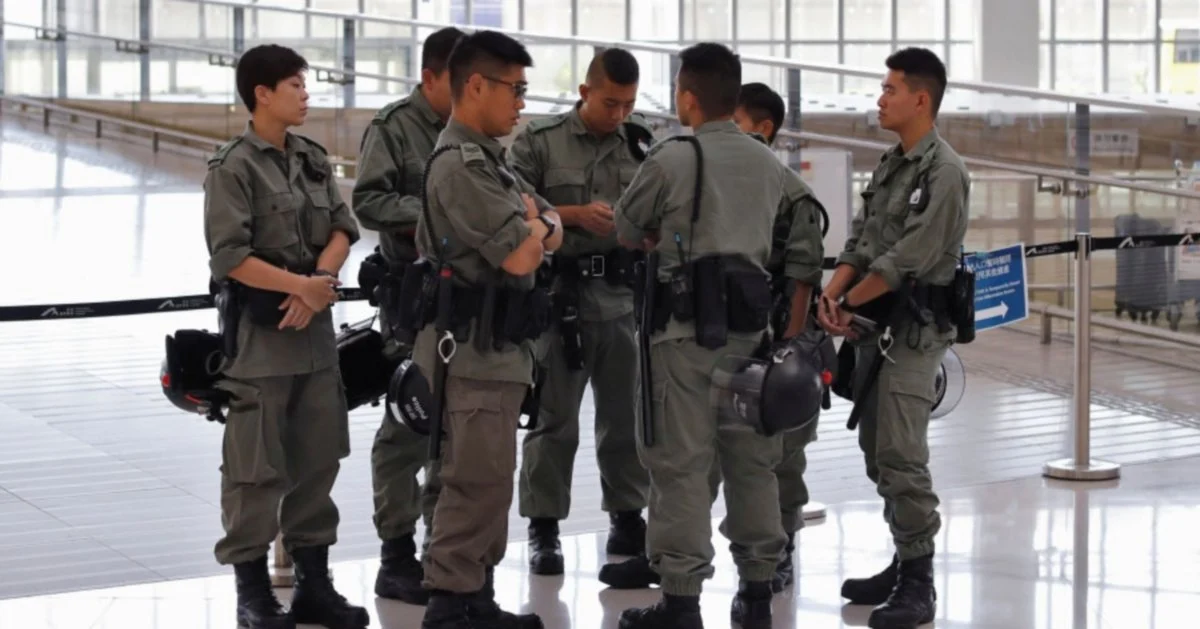
A Malaysian teenager has been arrested at Hong Kong International Airport following the discovery of a substantial quantity of cannabis in his possession. The 19-year-old suspect was apprehended on July 9 after customs and airport security officials uncovered 3kg of cannabis buds concealed in his luggage during routine screening procedures. The incident underscores the continued vigilance of Hong Kong's border authorities in intercepting drug trafficking attempts, particularly those involving individuals from neighbouring jurisdictions in Southeast Asia.
The arrest marks another concerning case in a pattern of young people from Malaysia becoming entangled in international drug smuggling operations. Trafficking networks frequently exploit youthful couriers to move narcotics across borders, often targeting inexperienced individuals who may lack awareness of severe legal consequences in foreign jurisdictions. Hong Kong maintains some of the strictest drug laws in the world, with cannabis classified as a prohibited dangerous drug under the Dangerous Drugs Ordinance. Penalties for trafficking quantities exceeding 2kg can result in sentences exceeding a decade of imprisonment, alongside substantial fines.
The detection of the contraband at the airport illustrates the effectiveness of modern screening technologies deployed at one of Asia's busiest transportation hubs. Hong Kong International Airport, which processed over 70 million passengers annually pre-pandemic, employs advanced imaging systems and trained detection dogs to identify illicit substances. The successful interception prevents the drugs from reaching distribution networks and potentially protects public health across the broader region. However, the incident also highlights vulnerabilities in transnational smuggling prevention, as traffickers continuously adapt methods and routes to evade detection.
For Malaysian authorities, this arrest presents fresh concerns regarding the involvement of local youth in drug syndicates. Malaysia itself has been grappling with significant domestic drug problems, with the Royal Malaysian Police reporting thousands of arrests annually for drug-related offences. The phenomenon of young Malaysians recruited as drug mules to transport narcotics internationally suggests growing sophistication among trafficking organisations, which identify and exploit social and economic vulnerabilities among the nation's youth population. Economic desperation, lack of employment opportunities, and peer pressure remain contributing factors that traffickers leverage when recruiting couriers.
The case also raises questions about the adequacy of public awareness campaigns in Malaysia regarding the dangers and legal ramifications of international drug trafficking. While the Dangerous Drugs Act in Malaysia carries severe penalties including capital punishment for trafficking in substantial quantities, many young people remain inadequately informed about the even harsher consequences they face in foreign jurisdictions like Hong Kong, Singapore, or Thailand. Educational initiatives targeting youth, particularly in schools and university settings, remain crucial for preventing involvement in smuggling operations.
Regional cooperation between Malaysian and Hong Kong authorities in drug enforcement has historically been strong, with both jurisdictions recognising the necessity of coordinated efforts to combat transnational trafficking. The arrest will likely be followed by formal notification to Malaysian authorities, who may provide consular assistance to the detainee. The case exemplifies how Southeast Asian nations remain both source and transit points for illicit drug flows, with organised criminal syndicates exploiting geographic positioning and transportation infrastructure to move contraband between production zones in the Golden Triangle and Shan State through to major consumption markets in East Asia.
Cannabis trafficking through airports has become an increasingly common method employed by smugglers seeking to exploit gaps in detection protocols or banking on human error by screening staff. The 3kg quantity suggests either a mid-level trafficking operation or a test shipment intended to establish supply routes. The cannabis likely originated from clandestine cultivation operations in Southeast Asia, where tropical climates favour year-round production of high-potency strains increasingly in demand among consumers in Hong Kong, Japan, and South Korea.
The detention underscores broader challenges facing law enforcement across Asia, where demand for cannabis has risen notably among younger demographics despite strict prohibition regimes. Hong Kong's position as a major financial and logistics centre makes it an attractive target for traffickers seeking to redistribute drugs to secondary markets. The ease of transit through the airport, combined with the substantial quantities that can be concealed in checked baggage, continues to present enforcement difficulties despite advanced security measures.
Looking forward, this incident will likely prompt renewed bilateral discussions between Malaysian and Hong Kong officials on strengthening information-sharing mechanisms and enhancing training for airport personnel. Malaysian parents and educators should recognise this case as a cautionary example of how youthful indiscretion can result in decades-long prison sentences in jurisdictions with zero-tolerance drug policies. For the detained teenager, the legal process ahead will determine the severity of charges and potential sentencing, though prospects remain grim given the quantity involved and Hong Kong's uncompromising approach to narcotic offences.

