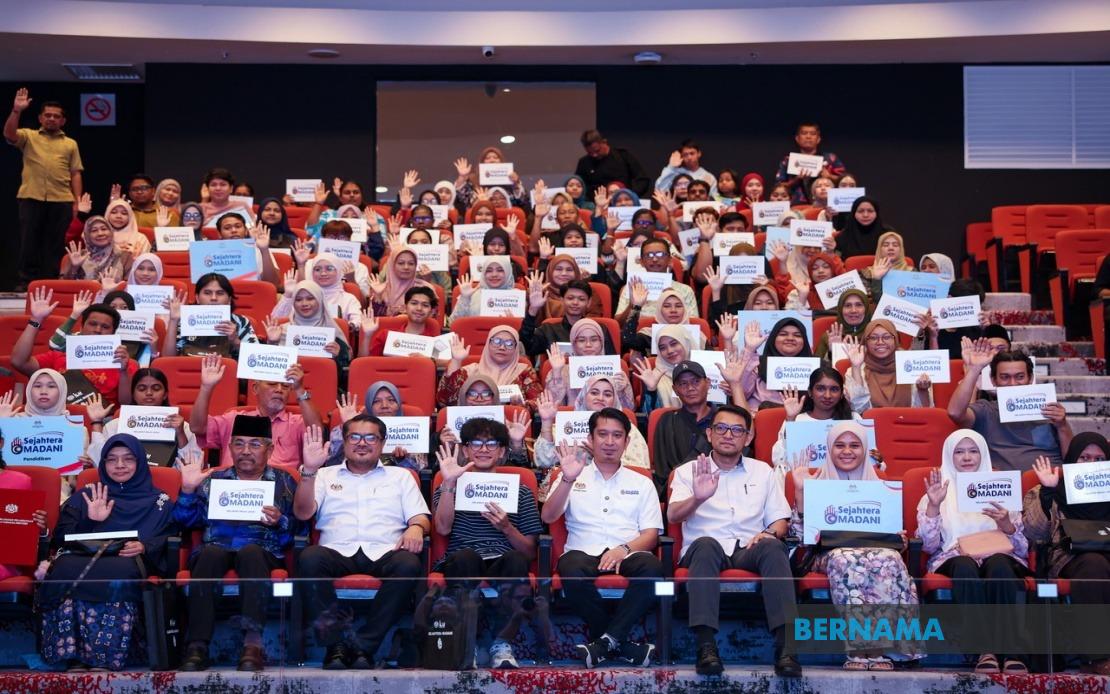
Malaysia's higher education sector has begun implementing a structured approach to managing generative artificial intelligence following the Ministry of Higher Education's introduction of formal guidelines in 2024. The framework has catalysed universities across the country to establish their own institutional policies and standard operating procedures, creating a cohesive strategy for addressing both the opportunities and risks posed by AI technology in academic settings. Speaking at the Sijil Pelajaran Malaysia Excellence Awards and Higher Education Appreciation Ceremony in Melaka on July 22, Deputy Minister Adam Adli Abdul Halim highlighted how this regulatory initiative is providing clearer governance mechanisms that were previously absent in Malaysian campuses.
The emergence of structured protocols represents a significant development in Malaysian higher education policy, particularly given the rapid adoption of generative AI tools by students and academics. Universities had been grappling with managing AI's role in learning environments with limited institutional guidance, leading to inconsistent responses across different faculties and campuses. The ministry's decision to establish a baseline framework has effectively shifted the landscape from ad hoc institutional responses to a more standardised approach underpinned by common principles of academic integrity. This alignment is especially important in a region where cross-institutional collaboration and student mobility are increasing, as harmonised standards facilitate clearer expectations regardless of which university a student attends.
Under the guidelines, universities have developed mechanisms requiring students to formally declare their use of generative AI in academic work, enabling faculty to assess the extent and appropriateness of tool utilisation. This transparency requirement addresses a central concern that has troubled educators worldwide: the difficulty of distinguishing between legitimate supportive use of AI and problematic reliance that circumvents learning objectives. By institutionalising disclosure, Malaysian universities are creating an audit trail that supports both academic accountability and fair assessment. The declaration requirement also serves an educational function, prompting students to reflect on their learning process and the role of technology within it.
According to Adam Adli, the guidelines have demonstrated practical effectiveness in establishing response mechanisms and investigation procedures when misuse occurs. Rather than universities operating in isolation when confronted with suspected AI-generated submissions, they now have standardised frameworks for inquiry, evidence evaluation, and disciplinary processes. This consistency is critical for protecting student rights through fair procedures while maintaining institutional credibility. The existence of clear protocols also deters casual misconduct by signalling institutional seriousness and potential consequences, functioning as a preventative mechanism alongside its role in adjudication.
The ministry has been explicit that technological tools cannot serve as substitutes for fundamental academic discipline and rigorous scholarship. Generative AI must remain ancillary to the learning process rather than displacing core academic practices such as original research, critical analysis, and proper citation methods. This positioning is philosophically important because it frames the guideline debate not as simple technophobia or Luddite resistance, but as an affirmation of educational values that transcend any particular technology. The approach recognises that academic integrity rests on intellectual honesty and the demonstration of learning competencies, which cannot be replaced by algorithmic text generation regardless of sophistication.
Violations of the guidelines carry meaningful consequences within Malaysia's academic system. Students or academics found to have breached ethical standards through inappropriate AI use face disciplinary action that extends to potential revocation of academic qualifications, a severe penalty that reflects the seriousness with which higher education authorities view academic integrity. This escalated consequence structure creates genuine stakes for misconduct, distinguishing genuine breaches from minor procedural lapses. The prospect of credential revocation sends a powerful signal about institutional commitment to degree value and graduates' accountability for their academic work.
The practical challenges of implementation remain notable, however. Despite the existence of comprehensive guidelines, instances of AI misuse continue to occur across Malaysian campuses, suggesting that policy frameworks alone cannot eliminate the temptation or pressure students may feel to cut corners. Lecturers must develop new competencies in identifying sophisticated AI-generated work, a task that becomes increasingly difficult as models advance. Furthermore, the distinction between legitimate use—such as employing AI for brainstorming, editing, or research organisation—and prohibited use remains contextual and sometimes ambiguous, requiring nuanced judgment rather than formulaic application.
The guidelines intersect with broader questions about educational equity and access that are particularly relevant in the Malaysian context. As generative AI tools become increasingly sophisticated and sometimes subscription-based, concerns arise about whether students from disadvantaged backgrounds might be disadvantaged by policies that permit AI usage, or conversely, whether access restrictions might create fairness issues. Universities will need to navigate these tensions thoughtfully, particularly given Malaysia's commitment to inclusive higher education and the diversity of student circumstances across public and private institutions.
Beyond individual campuses, the ministry's framework signals Malaysia's positioning within global conversations about AI governance in education. As countries worldwide grapple with similar challenges, Malaysia's proactive development of national guidelines demonstrates institutional capacity and forward-thinking policy leadership. The framework may serve as a reference point for other Southeast Asian nations considering their own approaches. This regional dimension is important because educational standards and practices increasingly operate across borders through online learning, international partnerships, and student mobility within ASEAN.
The support measures accompanying the guidelines announcement—including laptops for outstanding SPM students and Kasih SISWA tablets for university students from eKasih households—reflect the government's broader Sejahtera MADANI initiative to improve educational equity. These complementary investments acknowledge that managing technology responsibly requires not only regulatory frameworks but also ensuring students have equitable access to necessary tools and support systems. The coordination between policy guidance and material support demonstrates a more comprehensive approach to educational technology governance than guidelines alone could achieve.
Moving forward, the effectiveness of Malaysia's AI guidelines will depend on sustained implementation, regular review, and institutional capacity building. Universities will need ongoing training for faculty in identifying and addressing AI misuse, updating guidelines as technology evolves, and maintaining consistency across departments. The ministry's role in monitoring institutional compliance and gathering data on guideline effectiveness will be crucial for refining the framework. As generative AI continues advancing rapidly, Malaysian higher education institutions will need flexible policies that adapt to emerging capabilities while maintaining core commitments to academic integrity and genuine learning outcomes.

