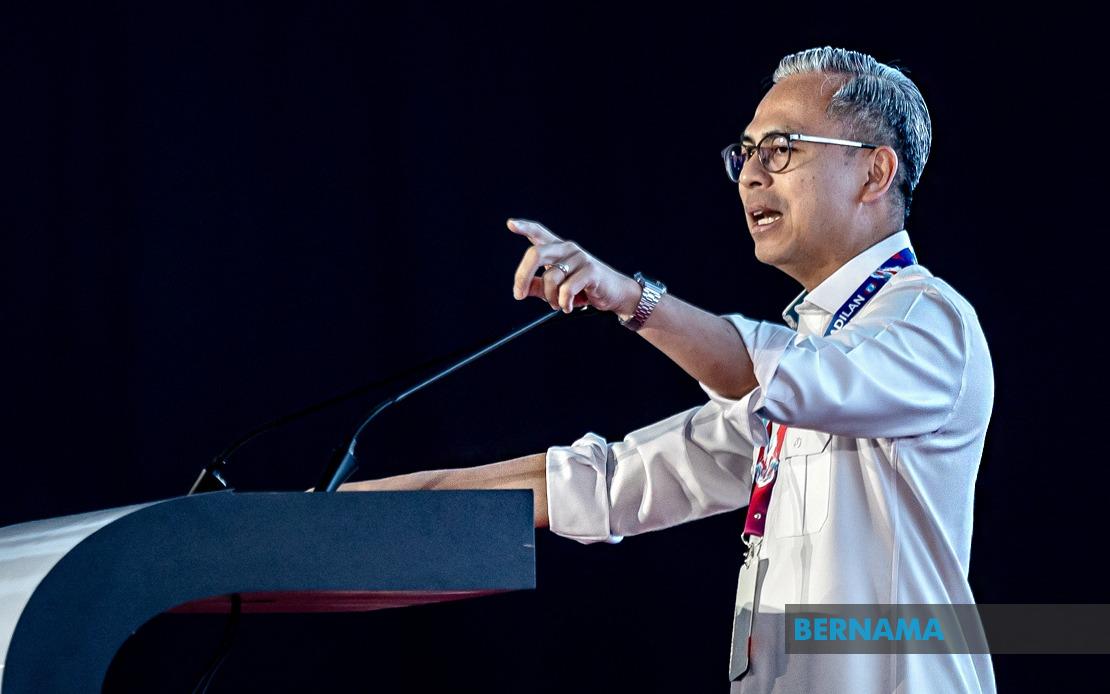
Malaysia's citizens are demonstrating heightened awareness of the Jalur Gemilang's precise characteristics, according to Communications Minister Datuk Seri Fahmi Fadzil, who observed the shift while inspecting National Month preparations in Melaka this week. The minister noted that Malaysians are increasingly scrutinising the flag's stripe count and colour sequence whenever displayed publicly, suggesting a broader cultural awakening to the symbols of national identity.
This emerging consciousness represents more than mere curiosity about design elements. Fahmi characterised the phenomenon as evidence that Malaysians are internalising the importance of proper flag protocol and demonstrating genuine respect for their nation's most recognised emblem. The trend became particularly visible during independence celebrations, when patriotic sentiment runs high across the country and flags appear in public spaces with greater frequency and prominence.
What distinguishes this awareness is its communal nature. Fahmi highlighted that Malaysians have begun correcting and advising one another when they encounter improperly displayed flags, creating a peer-led enforcement mechanism that operates independently of government intervention. This organic development suggests that flag etiquette has transitioned from an administrative concern into a matter of genuine public interest and national consciousness.
The minister reported that complaints regarding flag standards have not increased despite heightened scrutiny, indicating that public consciousness is improving display practices rather than merely identifying problems. He remains aware of specific incidents, including allegations of incomplete flag displays in Batu Buruk, Terengganu, though he deferred investigation matters to relevant authorities rather than intervening directly.
A practical innovation is simultaneously reshaping how Malaysians display the national flag on personal vehicles. Many vehicle owners are adopting magnetic Jalur Gemilang stickers in preference to traditional fabric flags, motivated by concerns about protecting their vehicle's paintwork and body panels. Fahmi endorsed this trend, recognising it as a positive development that removes barriers preventing citizens from displaying the flag, while accommodating legitimate practical considerations that previously discouraged participation.
This shift toward magnetic stickers carries implications beyond mere convenience. By reducing the friction associated with flag display, the innovation may facilitate broader public participation in expressing national identity. For vehicle owners previously deterred by maintenance concerns, the alternative method provides an accessible pathway to visible patriotic expression during significant national occasions.
Preparations for this year's independence celebrations are proceeding systematically across multiple fronts. The Ministry of Communications has coordinated with education authorities on contingent arrangements and human graphic performances scheduled for Putrajaya, while logistics frameworks continue developing without significant impediment. Leadership meetings scheduled for tomorrow and August 24 will refine final preparations for both National Day and Malaysia Day commemorations.
Two prominent Merdeka Eve events will anchor celebrations in Kuala Lumpur. The Ministry of National Unity is organising a gathering at Merdeka Stadium featuring a special address by Prime Minister Datuk Seri Anwar Ibrahim, while the capital's City Hall (DBKL) will simultaneously coordinate festivities at Dataran Merdeka, offering residents multiple venues for collective commemoration.
Beyond flag consciousness, Fahmi's ministerial activities extend into welfare assessments and social support. During his Melaka visit, he engaged directly with stroke patients requiring ongoing assistance, evaluating their requirements for nutritional supplementation, Social Welfare Department support, and rehabilitation services. These interactions underscore the government's commitment to identifying vulnerable households and implementing comprehensive assistance frameworks, including alternative therapeutic approaches such as acupuncture.
Fahmi credited the Information Department with identifying families requiring government support, emphasising that welfare initiatives depend upon systematic identification and responsive follow-up mechanisms. His visit represented the preliminary stage of a broader assistance pipeline designed to connect eligible recipients with appropriate services and resources across multiple government agencies.
The convergence of heightened flag consciousness and expanded welfare outreach reflects broader governance priorities emphasising both national symbolism and citizen wellbeing. As Malaysia approaches its independence season, the minister's observations suggest that patriotic sentiment among the public is crystallising into tangible behavioural changes, while government structures simultaneously work to strengthen social safety nets for vulnerable populations. These parallel developments indicate a multidimensional approach to national cohesion that encompasses cultural expression, civic engagement, and targeted social assistance.

