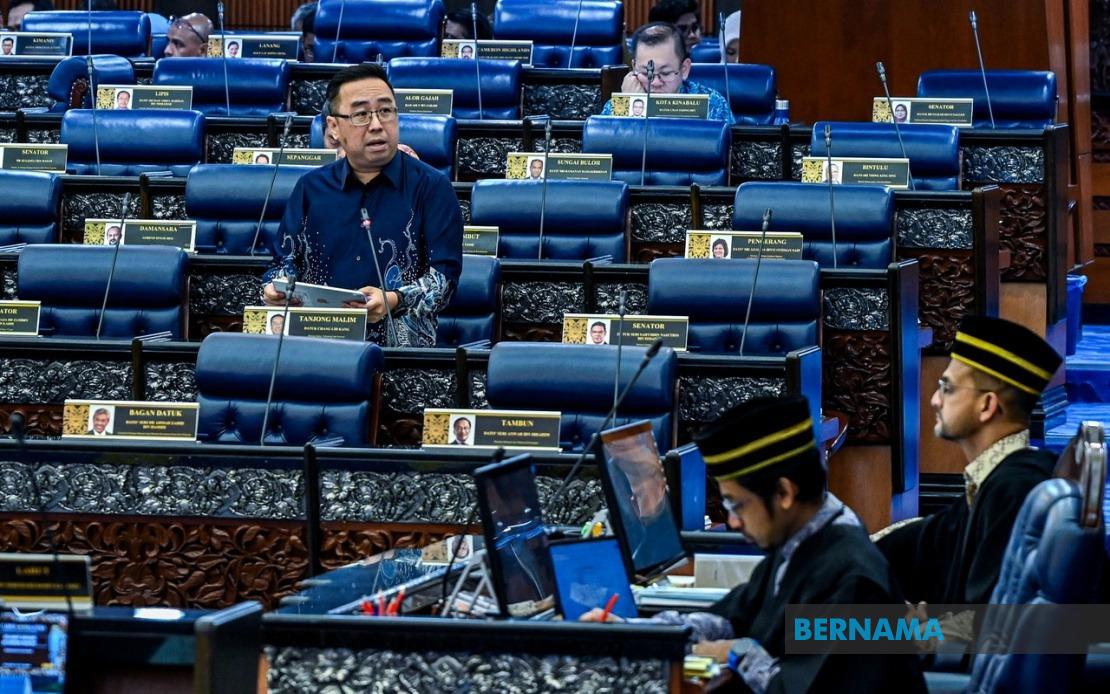
Malaysia is on track to bring advanced semiconductor packaging technology to market within two years, according to Science, Technology and Innovation Minister Datuk Chang Lih Kang. The ambitious timeline reflects the government's determination to position the country as a competitive player in next-generation semiconductor manufacturing, a sector increasingly vital to global technology infrastructure. During parliamentary proceedings, Chang outlined how a consortium of five local companies and government institutions would shepherd the technology from its current development stage toward full commercial viability.
The project commands RM185 million in government support, structured as grants rather than loans to ensure local manufacturers can participate without crushing debt burdens. This funding mechanism targets a specific technical milestone: elevating the technology's readiness from TRL 5, where concepts are validated in laboratory environments, to TRL 9, the stage where systems are fully operational and ready for deployment. The jump from TRL 5 to TRL 9 represents a critical transition where innovations move from controlled research settings into real-world manufacturing environments, requiring substantial investment in equipment, skilled personnel, and process optimisation.
The two-year capacity-building phase serves a dual purpose that goes beyond mere technology transfer. It represents an intentional strategy to build indigenous expertise within Malaysia's industrial base, ensuring that companies don't merely adopt foreign solutions but develop genuine competency in advanced packaging techniques. This approach contrasts with simpler licensing arrangements where foreign entities retain technological control. By systematically training local companies to master these advanced processes, Malaysia creates the foundation for sustained technological independence in a critical supply chain segment.
Advanced packaging has emerged as a cornerstone technology for modern semiconductors, particularly for applications demanding exceptional performance. The applications Chang identified—artificial intelligence, data centres, high-performance computing, smart automotive systems, 5G networks, and quantum technology—represent the frontiers of contemporary electronics. These sectors require chips that operate at the edge of physical possibility, generating extreme heat and requiring sophisticated interconnection systems. Malaysia's push into advanced packaging positions the nation to capture value from these high-growth segments, rather than remaining confined to assembly and testing of simpler components.
The consortium structure reflects a deliberate policy choice to balance competitive dynamics with collaborative capacity-building. Rather than selecting a single national champion, the government has assembled multiple companies and public institutions, enabling them to develop capabilities collectively while maintaining competitive relationships. This approach reduces the risk that a single failure would derail Malaysia's entire advanced packaging initiative and distributes knowledge and expertise across the industrial ecosystem.
Chang's emphasis on eventual industry independence from government funding reveals realistic expectations about the commercialisation pathway. After reaching TRL 9, participating companies must secure commercial customers and arrange private financing without ongoing government subsidies. This transition point, while potentially challenging, forces companies to develop commercially viable business models rather than becoming perpetually dependent on state support. It also signals to the broader semiconductor industry that Malaysian advanced packaging capabilities must compete on quality and cost grounds, not merely on government protection.
The strategic context underpinning this initiative extends beyond simple technological ambition. Global semiconductor supply chains face ongoing restructuring driven by geopolitical tensions and recognition of supply chain vulnerabilities. Countries including Japan, South Korea, Taiwan, and the United States have substantially increased investment in semiconductor manufacturing and related capabilities. Malaysia's move into advanced packaging responds to this global recalibration, seeking to secure its position in semiconductor value chains that extend far beyond basic assembly. Without upgrading capabilities, Malaysian manufacturers risk becoming obsolete as higher-value activities concentrate in competitor nations.
For Southeast Asia, Malaysia's initiative carries broader implications. The region has historically served as a global manufacturing hub for consumer electronics and semiconductors, but competition from advanced manufacturing capabilities elsewhere has intensified. Malaysia's investment in technology development potentially establishes a regional template for upgrading industrial capabilities in other Southeast Asian economies. Success here could encourage similar initiatives across the region, collectively strengthening ASEAN's technological independence and economic resilience.
The intellectual property dimension represents another crucial consideration. Chang specifically mentioned that the initiative aims to develop local technology and intellectual property, not merely to produce advanced packaging physically located in Malaysia. This distinction matters significantly because IP ownership determines who captures long-term economic value from innovations. By establishing Malaysian ownership of advanced packaging intellectual property, the government creates assets that can generate revenue streams extending far beyond the initial commercialisation phase, supporting future innovation cycles and building national technological wealth.
Implementing this roadmap will require sustained focus on workforce development. Advanced packaging involves complex manufacturing processes and sophisticated quality control requirements. Malaysian companies will need to recruit and retain skilled engineers and technicians who understand both semiconductor physics and manufacturing engineering. This human capital dimension often receives less attention than hardware and infrastructure but ultimately determines whether technology can be effectively deployed and continuously improved.
The timing of this announcement, occurring during parliamentary question time, underscores how semiconductor capability has become a mainstream political concern in Malaysia. Rather than remaining confined to technical discussion among specialists, semiconductor technology now features prominently in high-level government accountability processes. This elevated political attention reflects global recognition that semiconductor strength increasingly determines national economic competitiveness and technological sovereignty in an increasingly digital world.
Looking forward, the two-year window will test whether Malaysian industry can absorb complex semiconductor technologies and develop genuine operational expertise. Success would position Malaysia as a regional semiconductor technology leader and potentially attract international partnerships and investments. The broader significance extends beyond commercial returns to encompass Malaysia's long-term economic trajectory, determining whether the nation can maintain manufacturing relevance in an era when value concentrates in technologically sophisticated sectors.

