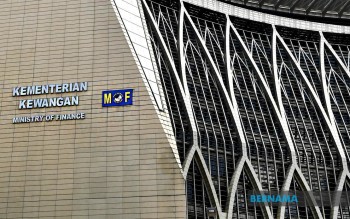
Malaysia's Buy Now, Pay Later market has surged to encompass eight million active account holders during the first quarter of 2026, according to Ministry of Finance data released to Parliament. The explosive growth underscores the deepening integration of BNPL services into Malaysian consumer finance, reflecting broader regional trends across Southeast Asia where alternative lending mechanisms have gained substantial traction among younger and middle-income shoppers seeking flexible payment options.
The aggregate outstanding BNPL balance stood at RM5.3 billion at the same point, indicating the sheer volume of transactions flowing through these platforms. This figure demonstrates that BNPL has transitioned from a niche financial instrument into a significant component of the broader credit ecosystem, even as traditional lending channels remain dominant. For context, the rapid accumulation of debt through point-of-sale installment arrangements raises important questions about consumer financial literacy and the long-term sustainability of household balance sheets in Malaysia.
Among this substantial debt pool, overdue amounts reached RM181.0 million, representing 3.4 per cent of total outstanding BNPL balances. While this delinquency rate suggests relatively healthy payment behaviour compared to some traditional consumer credit products, the absolute volume of unpaid obligations signals emerging risks within the sector. The Ministry of Finance characterised overall BNPL debt as manageable, noting that it constitutes merely 0.3 per cent of total household debt as of end-2025, suggesting the sector has not yet crowded out traditional borrowing mechanisms or created systemic financial stability concerns.
The regulatory environment surrounding BNPL services has undergone significant transformation, with the Consumer Credit Commission introducing comprehensive authorisation and conduct standards. These frameworks establish baseline requirements that all BNPL operators must meet before continuing operations, marking a watershed moment in the sector's maturation. Previously, the BNPL market operated with minimal oversight, allowing providers to establish themselves with varying degrees of consumer protection safeguards and risk management protocols.
The licensing regime represents the government's determination to bring structure to an industry that has expanded rapidly without adequate regulatory guardrails. The established standards address critical dimensions including financial stability requirements, governance structures, and consumer protection mechanisms. These requirements ensure that only providers demonstrating adequate capitalisation, transparent operations, and commitment to fair lending practices can obtain formal authorisation to operate within Malaysia's financial system.
The Consumer Credit Commission formally opened the licence application period on June 1, 2026, signalling the beginning of a formal registration and compliance process. All existing BNPL providers operating in Malaysia must submit applications by November 30, 2026, creating a six-month window to demonstrate adherence to the new regulatory standards. This deadline is neither arbitrary nor particularly generous; it reflects the commission's intent to establish clear boundaries while providing sufficient time for operators to adjust their business models and governance arrangements.
During this transitional period, the Consumer Credit Commission has adopted an active engagement posture with BNPL providers, offering guidance and technical assistance to facilitate compliance. Rather than adopting a purely punitive approach, regulators recognise that many operators may lack experience navigating formal licensing processes and may require clarification on specific requirements. This collaborative stance increases the likelihood that providers can meet standards without forced exits from the market, preserving consumer access to BNPL services while eliminating the weakest operators.
The regulatory intervention carries significant implications for Malaysian consumers and the broader fintech ecosystem. Compliant providers will enjoy legitimacy and explicit consumer protections, while uncompliant operators face potential expulsion from the market. This creates competitive pressure for providers to upgrade operations and demonstrates government commitment to consumer protection principles. For borrowers, enhanced regulatory oversight should translate into clearer disclosure practices, stronger dispute resolution mechanisms, and reduced exposure to predatory lending tactics.
From a macroeconomic perspective, the formalisation of BNPL regulation positions Malaysia alongside more mature financial markets that have already integrated these alternative credit mechanisms into structured regulatory frameworks. Singapore, Thailand, and Indonesia have similarly moved toward licensing regimes for BNPL operators, reflecting regional recognition that these platforms require oversight despite their consumer benefits. Malaysia's framework aligns the country with international best practices while maintaining sufficient flexibility to accommodate sector innovation.
The licensing framework may also influence competitive dynamics within the sector. Smaller operators with limited compliance capacity may struggle to meet standards or bear the costs of regulatory adjustment, potentially consolidating the market around larger, better-capitalised providers. This consolidation could reduce consumer choice in certain segments but would likely improve systemic stability and reduce the risk of provider failures that leave consumers stranded without recourse.
Looking ahead, the success of Malaysia's BNPL regulatory framework will depend on consistent enforcement and ongoing refinement of standards. The fact that overdue amounts already constitute a measurable proportion of outstanding balances suggests that monitoring asset quality will remain a priority. Regulators must balance the goal of protecting consumers against the need to preserve market functionality and accessibility for credit-constrained segments of the population who benefit from BNPL's streamlined processes.
The eight million active users represent a significant stakeholder constituency with vested interests in maintaining a functioning BNPL market. Their collective experience with regulatory implementation will inform policy adjustments and future refinements to licensing requirements. As Malaysia's BNPL sector matures from a free-wheeling expansion phase into a regulated market segment, the coming months will determine whether the new framework successfully balances innovation and consumer protection.

