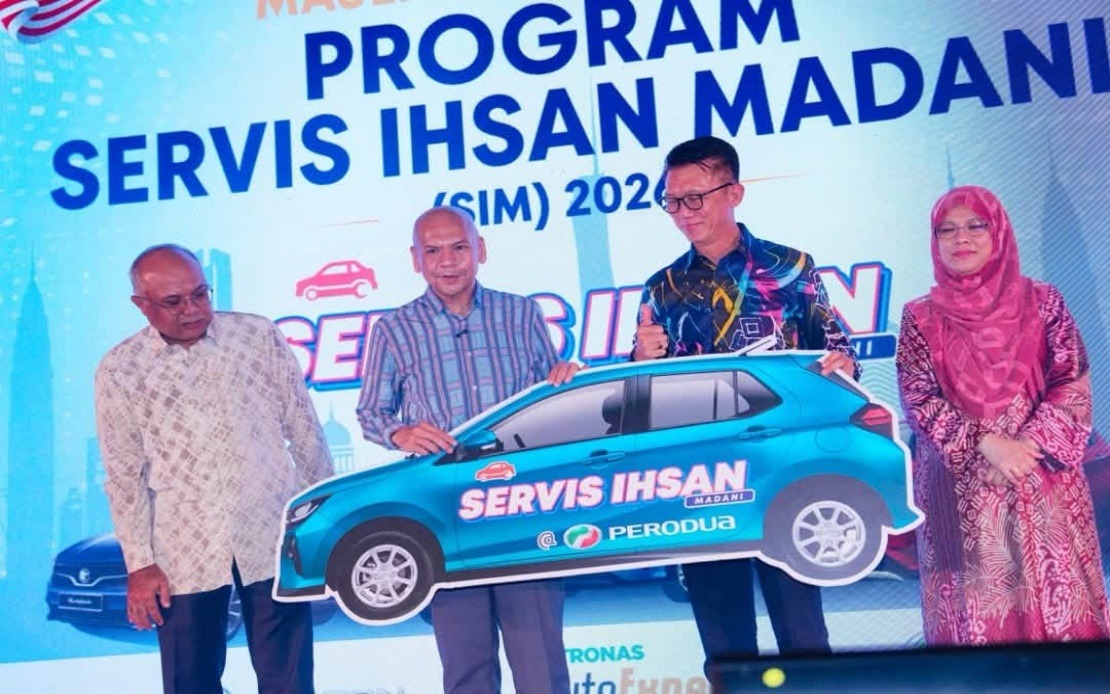
The Ministry of Domestic Trade and Cost of Living has broadened its reach in helping Malaysians manage vehicle ownership costs, incorporating two of the country's major automotive manufacturers into its maintenance assistance programme. Minister Datuk Armizan Mohd Ali announced that Perodua and Proton customers will now qualify for RM70 subsidies when servicing their vehicles at authorised centres, marking a significant extension of support that directly addresses transport affordability concerns affecting millions of households across the nation.
The expanded scheme encompasses an extensive network spanning 531 service facilities throughout Malaysia, combining the strengths of three key automotive service providers. Perodua contributes 221 service centres to the programme, Proton adds 186 facilities, and PETRONAS AutoExpert operates 124 workshops, creating a comprehensive coverage that reaches urban and rural communities. This scale of coordination represents a meaningful collaboration between government policy and private sector capacity, allowing the ministry to distribute benefits efficiently while leveraging existing infrastructure that customers already trust.
Access to these subsidies operates through a digital-first approach, requiring vehicle owners to book appointments via mobile applications maintained by each service provider. This modern booking mechanism streamlines the claims process and reduces administrative friction, though it does presume smartphone accessibility among beneficiaries. The requirement reflects broader government efforts to digitise public services, though accessibility remains a consideration for older drivers or those with limited digital literacy in rural areas.
The initiative forms part of the broader Payung RAHMAH MADANI framework, a government initiative designed to cushion households from inflation pressures and improve cost-of-living circumstances. By targeting vehicle maintenance specifically, policymakers address a persistent household expense that affects work reliability, school commuting, and general economic productivity. Regular maintenance directly correlates with vehicle safety and longevity, meaning the subsidy programme simultaneously tackles affordability while promoting responsible vehicle ownership habits that reduce accident risks and extend asset lifespan.
For Malaysian consumers, the practical impact of RM70 per service visit translates to meaningful savings during a period when many households struggle with rising expenses. Typical vehicle servicing costs between RM150 and RM300, depending on vehicle type and service complexity, so subsidising nearly half of a standard maintenance visit represents substantial relief. Over a year, if an average driver services twice, the cumulative benefit reaches RM140 per vehicle, contributing meaningfully to household budgets already stretched by electricity bills, fuel costs, and food prices.
The expansion timing aligns with National Month 2026 celebrations, positioning the programme as patriotic economic assistance. Government communications frame such initiatives as translating the Malaysia MADANI vision of shared prosperity into concrete benefits, connecting governance philosophy with tangible public goods. This messaging strategy seeks to reinforce administration legitimacy by demonstrating responsiveness to economic anxieties that consistently dominate citizen concerns in surveys and polling.
Beyond vehicle maintenance, the government has orchestrated complementary consumer relief through the Jualan Ihsan RAHMAH 9.9 online sales campaign launching September 9 in conjunction with Malaysia Day observance. Coordinated with TikTok Shop Malaysia, this initiative offers ten to thirty percent discounts on essential goods, reflecting modern retail realities where e-commerce increasingly dominates purchasing patterns, particularly among younger demographics and urban shoppers. The multi-platform approach—combining offline automotive services with online retail discounts—demonstrates attempts to reach diverse consumer segments through channels matching their actual shopping behaviours.
Prime Minister Datuk Seri Anwar Ibrahim previously articulated government commitment to expanding the Jualan Ihsan RAHMAH framework, emphasizing inter-ministerial coordination and private sector partnership as essential to maximising reach and impact. This approach acknowledges that government resources alone cannot sustain comprehensive subsidy programmes, requiring business participation through margin compression or promotional support. Such public-private collaboration carries both benefits and risks, as business participation depends on sustainable profitability calculations that may limit expansion or sustainability if economic conditions deteriorate.
For Perodua and Proton specifically, programme participation represents strategic positioning alongside government cost-of-living agenda, enhancing brand reputation among price-sensitive consumer segments that form crucial market bases. Local automotive manufacturers benefit from subsidised maintenance creating customer stickiness and loyalty, as drivers become more inclined to service regularly at authorised centres rather than seek cheaper independent workshops. This arrangement subtly protects dealer networks and manufacturer revenues while presenting as consumer assistance, revealing how public policy and commercial interests often converge in complex ways.
The programme addresses a genuine gap in automotive affordability infrastructure, particularly for middle and lower-middle income households dependent on private vehicles for employment and family needs. Unlike fuel subsidies affecting all drivers equally regardless of income, targeted maintenance assistance focuses support on those actively using vehicles for productive purposes. However, effectiveness ultimately depends on awareness and uptake rates, requiring sustained communication campaigns ensuring eligible drivers know programme details and access procedures.
Longer-term implications merit consideration as policymakers assess whether short-term subsidies represent sustainable solutions or temporary relief measures requiring permanent structural reforms. Vehicle ownership costs encompass purchase price, financing, insurance, fuel, and maintenance, with affordability challenges spanning the entire ownership lifecycle. While maintenance subsidies address one component, comprehensive affordability requires examining credit accessibility for purchase, insurance cost structures, and fuel pricing policies that ultimately determine whether private vehicle ownership remains feasible for ordinary working families across Malaysia.

