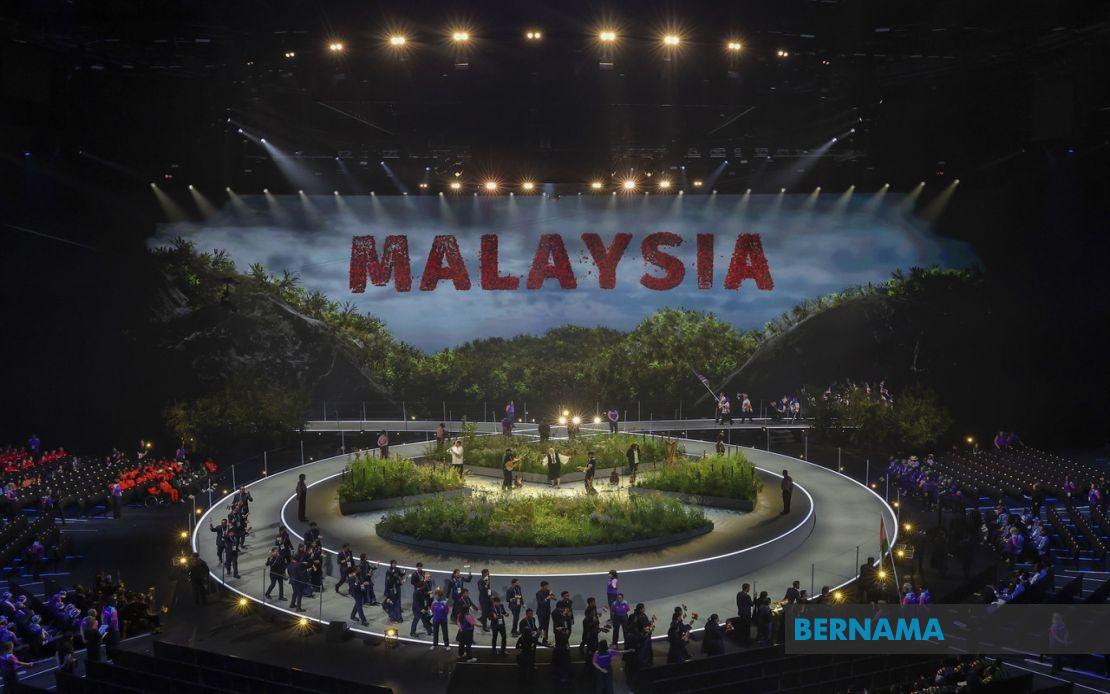
The Malaysian government has publicly endorsed the outstanding performance delivered by its athletes at the Glasgow 2026 Commonwealth Games, with the Cabinet expressing formal congratulations on the contingent's achievement. Communications Minister and MADANI Government spokesman Datuk Seri Fahmi Fadzil announced the recognition during a post-Cabinet meeting press conference in Putrajaya on August 5, emphasizing that the success reflects positively on the nation's standing in international sporting competition.
The Malaysian delegation to Glasgow delivered a medal haul that significantly exceeded organisational expectations, capturing eight gold medals alongside three silver and five bronze medals. This performance surpassed the preliminary target of five gold medals, positioning Malaysia among the more successful participating nations. The achievement marks a significant milestone in the country's Commonwealth Games trajectory, representing the strongest showing since the New Delhi 2010 Games when the delegation secured twelve gold medals—a benchmark that had stood unchallenged for over fifteen years.
The government has committed substantial financial recognition of this athletic success through the Sports Victory Incentive Scheme, known as SHAKAM. A total allocation of RM1.1 million has been designated as rewards for the athletes whose performances exceeded target expectations. This financial commitment underscores the administration's investment in recognising and incentivising elite sporting achievement, signalling broader support for grassroots athletic development and international competition participation.
Fahmi articulated the Cabinet's perspective that this achievement carries significance beyond medal tallies and rankings. The minister suggested that the contingent's success at Glasgow possesses inspirational value for the broader Malaysian sporting community, potentially encouraging emerging athletes to pursue excellence on international stages. The public acknowledgment from government leadership serves to elevate the cultural status of sporting achievement within national discourse, positioning athletic excellence as a matter worthy of high-level political attention.
The Commonwealth Games represent a crucial international sporting platform for emerging nations and established sporting powers alike. For Malaysia, participation in this quadrennial competition offers opportunities to test athletic capabilities against regional and international competitors within a structured, developmental framework. The Glasgow 2026 edition provided the contingent with precisely such an opportunity, and the response demonstrated both quality preparation and effective athlete performance management.
The trajectory of Malaysia's Commonwealth Games performance warrants closer examination. The delegation's eight gold medals at Glasgow 2026 falls short of the twelve gold medals achieved in Delhi over fifteen years prior, yet substantially exceeds the five-medal target set by national sports administrators. This suggests either conservative target-setting by planners or genuine improvement in athlete preparation and competition outcomes. Understanding which factor predominates requires scrutiny of medal distribution across sports disciplines and comparison with previous Games cycles.
The financial incentivisation approach reflected in SHAKAM demonstrates government recognition that elite sporting success requires both talent and resources. The RM1.1 million reward scheme functions as post-hoc recognition rather than preparatory investment, yet signals the political value placed on international sporting visibility. For Malaysian athletes, such recognition carries both monetary and symbolic importance, validating years of training, sacrifice, and competition participation. The scheme also potentially influences future athlete recruitment and retention within competitive sporting pathways.
Regionally, Malaysia's Commonwealth Games performance positions the nation within the competitive hierarchy of Southeast Asian sporting powers. Commonwealth Games participation includes nations from across Asia, Africa, the Caribbean, and the Pacific, creating a genuinely global competitive environment distinct from regional championships. Malaysia's ability to compete effectively within this broader framework enhances the nation's sporting reputation beyond Southeast Asia and contributes to soft power projection.
Looking forward, the Cabinet's formal endorsement of the Glasgow contingent's achievements establishes a baseline for future Commonwealth Games participation. The eight gold medals and overall medal tally create performance expectations that future delegations will be measured against, potentially driving continued investment in athletic development programmes and competition preparation. The government's public commitment to recognising sporting excellence may also influence younger athletes' career pathway decisions, potentially strengthening the pipeline of emerging talent for future international competitions.
The broader implications of this sporting success extend into questions of national investment in sport, athlete welfare, coaching excellence, and sporting infrastructure. The congratulatory statement from Cabinet leadership suggests alignment across government regarding the importance of international sporting achievement to national objectives. Whether this translates into sustained funding commitments, improved training facilities, or enhanced support systems for athletes remains to be demonstrated through subsequent policy action and budgetary allocation.
Fahmi's remarks reflected the conventional government position that international sporting success generates national pride and inspiration for future generations. This framing situates athletic achievement within broader narratives of national development and aspiration, connecting individual athlete success to collective national interest. The approach leverages sporting achievement as a tool for national morale and motivation, particularly valuable in contexts where broader political or economic circumstances may generate public concern.
The Commonwealth Games platform continues to serve important functions for nations seeking to develop sporting capabilities and international profiles. For Malaysia, the Glasgow 2026 contingent's performance demonstrates capacity for excellence within structured international competition, validating previous investments in athlete development and suggesting potential for sustained competitive success in future Games cycles. The Cabinet's recognition, while ceremonial in nature, reflects political understanding of sport's role in national consciousness and international standing.

