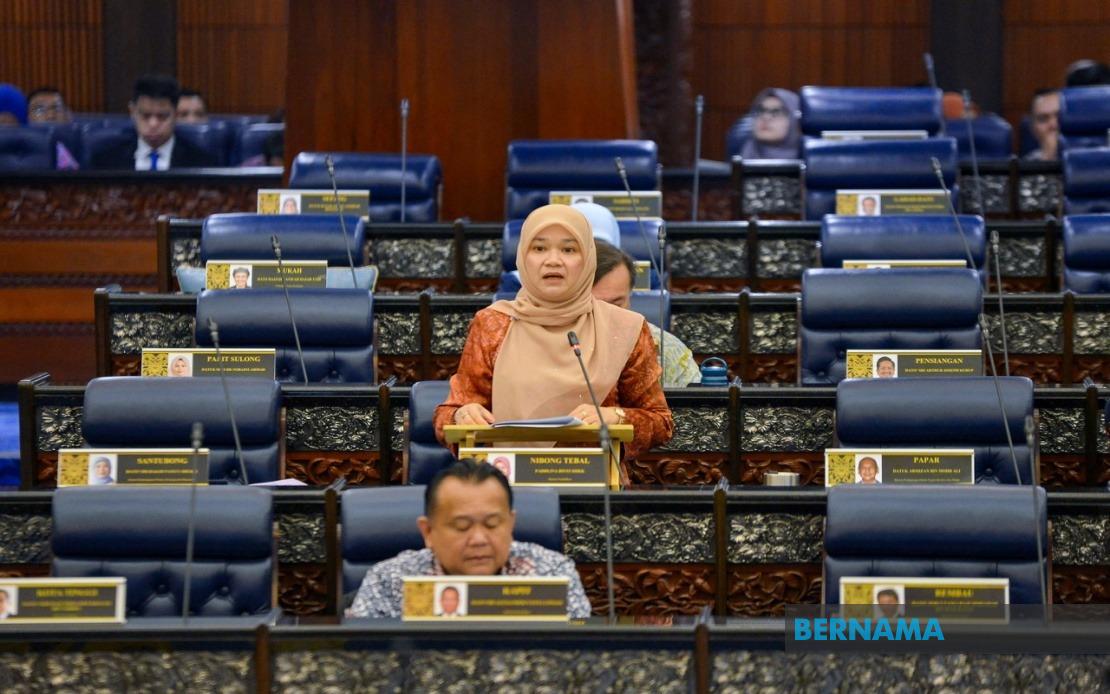
Education Minister Fadhlina Sidek has unveiled a comprehensive overhaul of school safety protocols, signalling the government's determination to address mounting concerns about student welfare in educational institutions across Malaysia. Speaking during parliamentary question time, Fadhlina emphasised that the ministry would evaluate incidents affecting student safety on a case-by-case basis, recognising that each situation involves complex variables beyond physical security considerations. This individualised approach acknowledges that school safety encompasses far more than locks and barriers, extending to the psychological and emotional wellbeing of young people navigating the education system.
The centrepiece of the ministry's new framework is the establishment of a specialised committee drawing together representatives from multiple agencies and organisations. This multi-sectoral collaboration reflects a recognition that safeguarding students requires coordinated expertise spanning building safety, emergency response, and child welfare. By institutionalising this inter-agency mechanism, the MOE aims to eliminate gaps that might otherwise permit hazards to slip through administrative cracks, creating a more holistic safety ecosystem across Malaysia's schools.
Technical guidance underpinning the initiative comes from the National Institute of Occupational Safety and Health, which will provide expert support on structural and fire safety matters. This partnership ensures that building assessments meet rigorous standards and that schools receive proper training in implementing safety protocols at the institutional level. The involvement of occupational safety specialists elevates the baseline of what schools must achieve, moving beyond basic compliance to comprehensive risk mitigation.
Two landmark policy documents now form the foundation of safety efforts nationwide. The Safe School Management Guidelines and School Student Protection Policy, both launched on June 11, establish uniform benchmarks for physical, social, and emotional protection across all educational institutions. By providing standardised frameworks rather than leaving safety to individual school discretion, these guidelines help ensure that a student in a rural Pahang school receives comparable protections to one attending an urban institution in Selangor.
The anti-bullying dimension has received particular attention following the commencement of the Anti-Bullying Act 2026 on June 16. The MOE is now updating its handling guidelines to align with this new legislation, strengthening the legal underpinnings for intervention and enforcement. This synchronisation between legislation and educational policy demonstrates a coordinated whole-of-government approach, though observers note that robust guidelines are only effective when schools possess adequate resources and training to implement them consistently.
Infrastructural investment is also accelerating. The ministry plans to expand closed-circuit television installation to 333 schools during the current year, a significant increase from the 200 schools that had such systems in place in 2025. While CCTV alone cannot prevent determined wrongdoing, the cameras serve multiple functions: they act as deterrents, provide evidence when incidents occur, and signal to students and parents that monitoring is active. For Malaysian parents increasingly concerned about their children's safety, visible security measures offer reassurance even as experts caution that technology cannot substitute for vigilant human oversight.
Night-time supervision has been strengthened through the appointment of 300 hostel wardens beginning April 1, directly addressing vulnerabilities that emerge when school buildings are less populated and supervision thins. Boarding school arrangements have long presented particular challenges, with round-the-clock duty cycles essential for protecting resident students. The expansion of hostel staff represents recognition that adequate human presence remains irreplaceable, especially during hours when administrative staff have departed.
When confronted with parliamentary concerns about parental anxieties regarding bullying, Fadhlina outlined a support structure grounded in certified counselling services. Comprehensive assessment of individual cases would proceed with involvement from parent-teacher associations, broader community engagement frameworks, and specialist agencies tailored to each student's particular needs. This responsive model contrasts with cookie-cutter responses, instead customising interventions to circumstances and individual vulnerability factors.
For Malaysian families and educators, the initiatives signal that student safety is moving from peripheral concern to core institutional priority. The five strategic pillars—prevention, monitoring, reporting, intervention, and enforcement—create a continuum of activity spanning the full lifecycle of potential incidents. Prevention measures like CCTV and warden presence aim to stop problems before emergence, while reporting mechanisms and enforcement provisions ensure accountability when prevention fails.
The broader implications extend beyond individual schools to reshape expectations around institutional responsibility. By establishing specialised committees and launching coordinated guidelines, the MOE is essentially declaring that school safety requires sustained expertise and inter-agency collaboration rather than ad-hoc responses to crises. This institutional shift, if implemented with adequate funding and training, could establish Malaysia as a regional leader in comprehensive student protection frameworks.
Yet challenges remain significant. Guidelines and committees only translate into tangible protection when schools have sufficient budgets, staff training receives priority, and accountability mechanisms function transparently. Smaller schools and those in less developed regions may struggle to implement these standards uniformly. Furthermore, the MOE's commitment must extend beyond policy announcements to consistent resource allocation and follow-up monitoring of implementation across Malaysia's diverse educational landscape.

