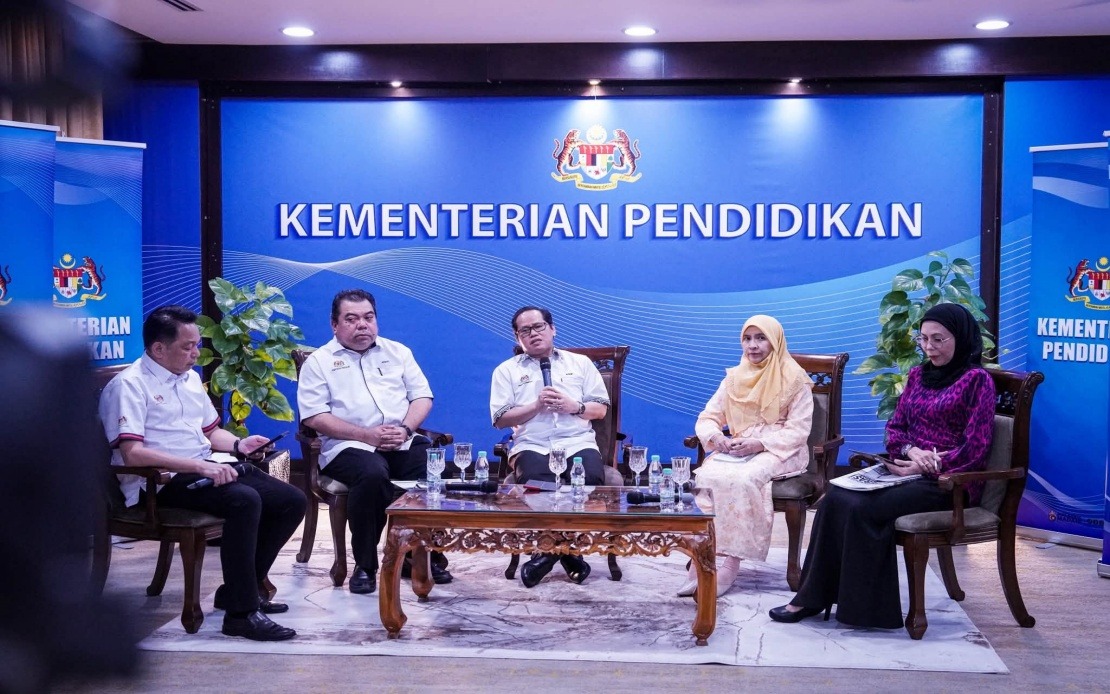
The Ministry of Education in Malaysia has taken decisive action to address mounting safety concerns within the nation's schools, launching a comprehensive Student Protection Policy that encompasses all 10,258 educational institutions nationwide. The policy initiative represents a systemic response to escalating challenges that extend far beyond traditional classroom management, reflecting the complex realities of educating students in the digital age.
Education Director-General Datuk Mohd Azam Ahmad revealed the gravity of the situation during a recent policy dialogue session, disclosing that the ministry receives reports of student injuries on a daily basis. Most alarmingly, he indicated that incidents resulting in fatalities have occasionally exceeded ten cases within a single twenty-four-hour period, underscoring the urgent need for coordinated intervention across the education system. This statistical revelation offers a sobering counterpoint to the perception of tranquility that typically characterises Malaysian school environments to external observers.
The institutional gap between public perception and operational reality formed a central theme of Azam's remarks. While schools may appear outwardly peaceful and orderly to parents and community members, the administrative machinery at the MOE processes a relentless stream of incident reports addressing injuries, medical emergencies, and fatalities. This disconnect highlights why the ministry determined that ad hoc responses and isolated school-level initiatives were insufficient to address systemic challenges affecting the entire education network.
The evolution of teaching responsibilities has paralleled these safety pressures, according to ministry officials. Educators now operate within an expanded professional mandate that transcends traditional subject delivery. Teachers are increasingly expected to serve as custodians of student wellbeing, addressing emotional and psychological development alongside character formation and values education. This expanded role places considerable pressure on school personnel, particularly when they lack comprehensive guidelines and institutional support for navigating complex situations involving student welfare.
The digital environment in which contemporary Malaysian students navigate their formative years distinguishes this generation from their predecessors in meaningful ways. Young people today encounter external influences and pressures at substantially younger ages than previous cohorts, with social media platforms, online content, and digital communication channels introducing novel vectors for harm. Traditional school-based safeguarding mechanisms often prove inadequate for addressing challenges rooted in the digital sphere, necessitating policy frameworks that bridge institutional and technological domains.
The Student Protection Policy, formally circulated through a Surat Pekeliling Ikhtisas (SPI) dated July 1, establishes binding commitments throughout the school ecosystem. School personnel and external parties working within educational settings must now sign a Letter of Compliance with the Student Protection Policy, formalising their obligation to maintain student safety standards. This contractual approach aims to create collective accountability and establish clear consequences for non-compliance across diverse stakeholder groups.
The policy's scope extends across multiple dimensions of student welfare and institutional responsibility. Mental health support represents a cornerstone of the framework, reflecting growing recognition of psychological wellbeing's centrality to educational outcomes. Reproductive and social health education are integrated within the policy, acknowledging that comprehensive health literacy serves protective functions. Prevention initiatives specifically target child sexual violence and substance abuse, recognising these as persistent threats within school environments that demand proactive rather than reactive institutional responses.
Children's Commissioner of the Human Rights Commission of Malaysia (SUHAKAM) Dr Farah Nini Dusuki participated as a panellist in the policy dialogue, providing human rights expertise to the discussion. Her involvement signals the government's recognition that student protection transcends purely educational concerns and engages fundamental human rights principles. Teacher welfare considerations were also incorporated into the policy framework, reflecting understanding that educator burnout and stress compromise their capacity to provide effective student protection and safeguarding.
The involvement of multiple MOE divisions in developing this policy demonstrates its cross-institutional significance. The Daily School Management Division and the Educational Policy Planning and Research Division both contributed to the framework, ensuring that implementation considerations and evidence-based research informed policy design. This collaborative approach suggests the ministry views student protection as an integrative challenge requiring input across different administrative domains.
For Malaysian parents and educators, the policy implementation represents both increased institutional vigilance and expanded expectations regarding compliance and reporting. Schools must now operationalise these guidelines through training programmes, incident response protocols, and sustained monitoring. The universal application across 10,258 schools means implementation consistency becomes a significant operational challenge, requiring substantial capacity-building efforts particularly in resource-constrained rural and semi-urban institutions.
The policy dialogue broadcast on EduWebTV indicates the ministry's commitment to public transparency regarding student protection measures. By making this discussion publicly available, the government opens space for community engagement while demonstrating accountability to stakeholders. This approach contrasts with purely administrative policy implementation and signals recognition that genuine institutional reform requires buy-in from educators, parents, and civil society actors.
Southeast Asian context considerations make this Malaysian initiative particularly noteworthy. Regional peer countries grapple with comparable challenges regarding student safety in increasingly digitalised school environments. Malaysia's comprehensive approach may serve as a model for regional policy development, particularly regarding the integration of mental health, digital safety, and traditional child protection concerns within unified policy frameworks. The emphasis on binding compliance mechanisms rather than aspirational guidelines also distinguishes this approach and merits regional observation.

