The inaugural Minister's Cup debate competition has created an important opportunity for Malaysia's younger generation to engage directly with pressing questions about the nation's energy future. Held as part of the 7th International Sustainable Energy Summit (ISES) 2026 in Kuala Lumpur on August 12, the event brought together twenty university students to grapple with a critical policy question that increasingly shapes the region's economic and environmental trajectory: whether Malaysia should expand its exports of renewable energy-based electricity to neighbouring countries while simultaneously meeting its own domestic energy needs.
The central debate motion—framed in both Malay and English—reflects genuine tensions within Malaysia's energy transition strategy. As the country moves towards greater renewable capacity, officials and policymakers face the complex calculus of balancing economic opportunities from regional energy trade against the imperative to secure reliable, affordable power for Malaysian households and industries. This is not merely an abstract academic exercise; the outcome of such debates influences how younger cohorts will approach these decisions when they assume leadership roles in government, business and civil society.
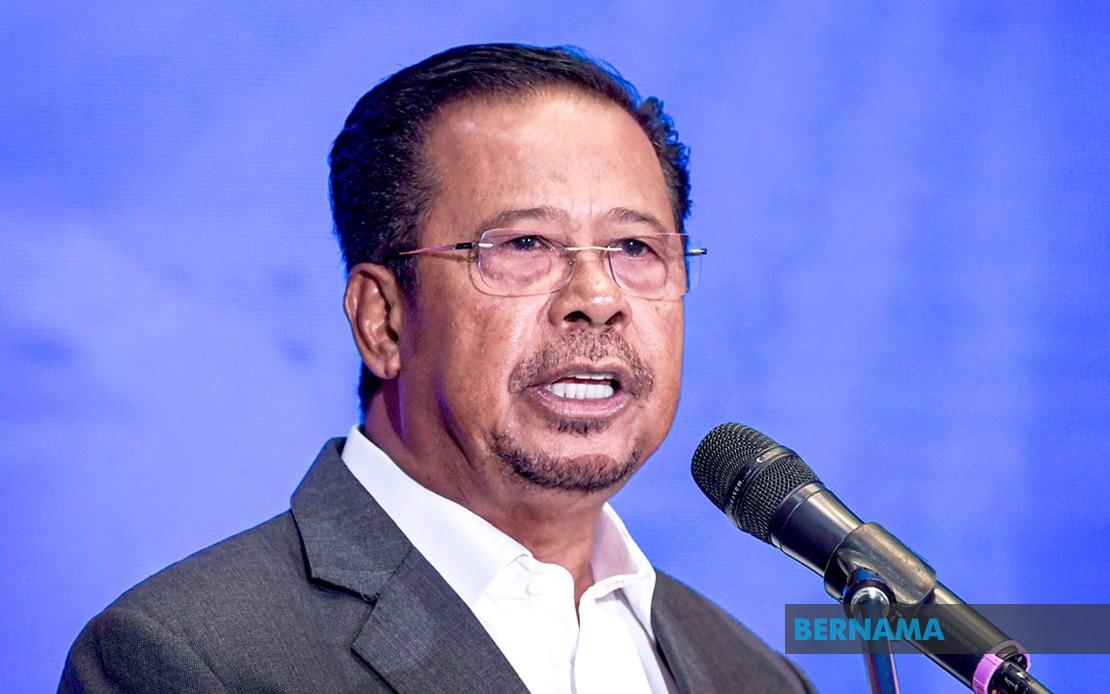
Deputy Minister of Energy Transition and Water Transformation Datuk Seri Abdul Rahman Mohamad presided over the competition, awarding the Government team the championship trophy while recognising Muhammad Uwais Mohd Hazril Munir @ Umar, a twenty-year-old student from Universiti Malaya's Faculty of Law, as the Best Debater. The presence of Chief Secretary to the Government Tan Sri Dr Wan Ahmad Dahlan Abdul Aziz, who also chairs the Sustainable Energy Development Authority Malaysia (SEDA), underscored the seriousness with which Malaysia's highest administrative circles regard this initiative.
The competition represents the flagship programme of the Malaysia Energy Literacy Programme (MELP) 2026, a structured national initiative designed to deepen public understanding of how electricity is generated, distributed and consumed. SEDA, the government agency spearheading this effort, has recognised that energy literacy extends beyond technical knowledge; it encompasses the ability of citizens—especially young people—to critically evaluate policy proposals, weigh competing interests and contribute informed perspectives to national deliberation. In this context, debate serves as a pedagogical tool that combines research discipline with rhetorical skill.
Izzad Zalman Abdul Kader, SEDA's Strategic Communications director, articulated the philosophical foundation underlying the Minister's Cup. He emphasised that involving young people in structured debate platforms strengthens their capacity for critical thinking and nurtures fact-based understanding of government policies. Rather than passively receiving information through traditional media channels, students who participate in competitive debate must research complex issues thoroughly, construct coherent arguments and defend their positions against intelligent opposition. This intellectual exercise builds the analytical muscles required for mature engagement with policy questions.
Crucially, debate also provides space for young people to respectfully challenge government positions or articulate alternative viewpoints. In Malaysia's political context, where respect for authority remains culturally ingrained, creating formal platforms where students can contest official positions without social penalty is particularly valuable. The debate format—with competing teams presenting opposing arguments—normalises the idea that government policies merit scrutiny and that citizens need not accept every official position uncritically. This contributes to a healthier democratic culture.
Muhammad Uwais, the Best Debater award recipient, highlighted how debate makes complex technical subjects like renewable energy accessible to broader audiences. By translating jargon-heavy policy discussions into comprehensible language and presenting competing perspectives in narrative form, debate helps citizens understand the genuine tradeoffs inherent in energy decisions. The format allows audiences to hear substantive arguments from multiple sides rather than being served oversimplified soundbites or one-sided coverage. For Malaysia, where energy policy increasingly intersects with climate commitments, technological disruption and regional cooperation, this capacity for nuanced public understanding becomes strategically important.
Afiq Athmar Mohamed, a twenty-one-year-old economics student from Universiti Malaya, drew attention to how collaboration between multiple government entities, agencies and media organisations energises the broader landscape of education and public discourse. When ministries like Energy Transition coordinate with SEDA and local media to sponsor high-profile student competitions, they signal institutional commitment to youth engagement and knowledge-building. This sends ripple effects through universities and secondary schools, encouraging educators to treat energy literacy as part of essential curriculum rather than peripheral concern.
The specific debate motion addresses a regional dimension that matters considerably for Southeast Asia. Malaysia possesses significant renewable energy potential and sits geographically central to a region facing rising electricity demand. Neighbouring countries such as Thailand, Vietnam and Singapore have incentives to source renewable power from outside their borders. Meanwhile, Malaysia's domestic electricity requirements will grow as industrialisation continues and electrical vehicle adoption accelerates. The decision about whether and how much renewable capacity to allocate to exports versus domestic consumption involves fundamental questions about national interest, regional solidarity and climate responsibility.
MELP itself deserves scrutiny as a model for energy engagement. Established to provide Malaysians with accurate, verified and trustworthy information about energy systems, the programme tackles a real problem: energy misinformation circulates widely through social media, and many citizens harbour misconceptions about renewable energy's feasibility, cost and environmental impact. By creating multiple touchpoints—from school curricula to university competitions to public awareness campaigns—MELP attempts to build a knowledge foundation that supports evidence-based policy debate across society.
The success of initiatives like the Minister's Cup ultimately hinges on whether young people who develop energy literacy actually influence subsequent policy decisions. If debate competition participants move into roles within government agencies, private utilities, environmental NGOs or media organisations, they carry forward more sophisticated understanding of energy tradeoffs. Over time, this could shift the tenor of Malaysia's energy discussions toward greater technical sophistication and less ideological rigidity. The challenge lies in maintaining momentum and ensuring that participation in student competitions translates into career pathways where energy expertise proves professionally valuable.
For Malaysian readers contemplating their country's energy future, these student debates should signal that the transition from fossil fuels toward renewable electricity is not merely an environmental imperative imposed from outside. Rather, it involves genuine policy questions—about exports, domestic security, regional cooperation and economic benefit—that warrant serious analysis. By creating platforms where students debate these questions rigorously, Malaysia's government demonstrates commitment to cultivating the informed citizenry necessary for navigating the energy transition successfully. Whether this commitment translates into genuine influence over policy decisions remains to be seen.

