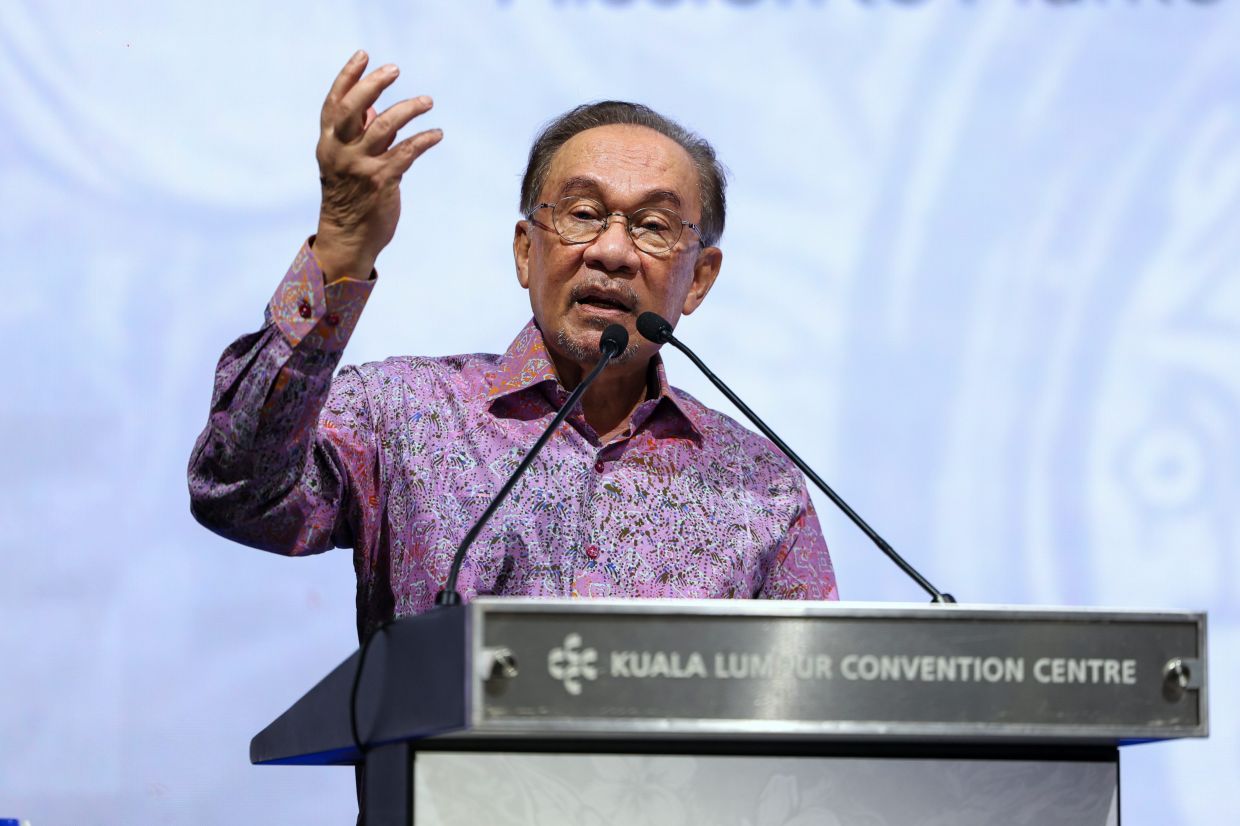
The Film Censorship Board (LPF) and Ministry of Home Affairs (KDN) have signalled a willingness to grant Malaysian filmmakers greater latitude in their creative endeavours, responding to Prime Minister Datuk Seri Anwar Ibrahim's call for the industry to have more room to experiment, critique and innovate. The policy shift represents an attempt to position Malaysia's film sector as competitive and forward-thinking while simultaneously preserving government oversight of content deemed sensitive to national interests, public order or social cohesion.
This initiative carries particular significance for Southeast Asia's creative industries at a time when regional filmmaking is gaining international recognition and audiences increasingly expect productions to reflect contemporary social issues with nuance and complexity. By creating what officials describe as a more mature regulatory environment, Malaysia aims to retain homegrown talent and attract investment from producers who might otherwise relocate to jurisdictions perceived as less restrictive. The announcement also reflects broader recognition that rigid censorship regimes can stifle the artistic development necessary for local content to compete with global streaming platforms and international productions.
Central to the new approach is a formal distinction between classification and censorship—two processes that KDN emphasises operate in tandem rather than as substitutes. Classification assigns films to age-appropriate categories, determining whether audiences must be 18 or older or whether content suits younger viewers. Censorship, by contrast, involves comprehensive evaluation against existing laws, policies and regulatory guidelines. The ministry's clarification that age-rated films still undergo full censorship review suggests the board aims to dispel misconceptions that higher ratings automatically exempt productions from content scrutiny or guarantee approval.
The framework allows the LPF to retain editing authority while creating flexibility in how that authority is exercised. Under the new guidance, evaluators examine scenes, dialogue, audio tracks, themes, character behaviour and narrative context holistically rather than applying blanket prohibitions. This contextual approach theoretically permits filmmakers to retain controversial elements if the surrounding narrative justifies their inclusion and the designated age rating appropriately warns viewers. Crucially, KDN states that achieving a higher age classification does not guarantee exemption from cuts; rather, it signals that mature audiences may encounter challenging content when it serves creative purpose.
The policy acknowledges that Malaysia's film industry has historically laboured under uncertainty about which creative choices trigger mandatory edits and which remain permissible under given ratings. By committing to transparency about evaluation criteria and the role of contextual analysis, the board addresses a longstanding industry frustration. Filmmakers will theoretically find it easier to anticipate regulatory responses and plan productions accordingly, reducing costly re-shoots and post-production alterations triggered by unexpected censorship decisions. This predictability itself constitutes a form of creative freedom, as producers can work within understood parameters rather than navigating opaque decision-making.
However, the statement contains important guardrails that temper the apparent liberalisation. Content threatening security, public order, religious sensitivities, morality or sociocultural harmony remains subject to rigorous scrutiny regardless of classification level. The LPF will also weigh Malaysia's international relations and national image when evaluating material, suggesting geopolitical considerations continue influencing editorial decisions. Films addressing contentious regional disputes, portraying foreign governments negatively or containing elements perceived as insulting to neighbouring countries face heightened regulatory attention under this framework.
The timing of this announcement reflects broader regional trends where governments attempt to modernise media regulation while preserving political and social control mechanisms. Indonesia, Thailand and Vietnam have similarly recalibrated censorship standards in recent years, seeking to appear progressive internationally while maintaining domestic stability concerns. Malaysia's approach positions the country as reform-minded compared to some neighbours whilst retaining ultimate decision-making authority in government hands. For filmmakers and producers, this means creative gains are real but circumscribed, with institutional power ultimately residing with the state.
The LPF's commitment to a "progressive, responsive and professional" approach suggests organisational evolution within the regulatory apparatus itself. Board members and evaluators will presumably receive training in contemporary filmmaking practices and international standards, enabling more sophisticated assessment of artistic choices. This professionalisation could mean the difference between censors who mechanically apply outdated guidelines and those who understand how modern narratives employ controversial elements to explore complex social realities. The quality of regulatory decision-making depends heavily on evaluators' cultural literacy and willingness to engage seriously with artistic argumentation.
For Malaysia's broader creative economy, this policy signals that domestic policymakers recognise film's importance as cultural export and employment generator. Regional markets increasingly favour locally produced content addressing Southeast Asian concerns and sensibilities, creating opportunities for Malaysian productions to reach audiences across Singapore, Indonesia, Thailand and beyond. A reputation for permitting quality filmmaking within reasonable security parameters makes Malaysia an attractive production hub for regional and international projects. Conversely, a perception of arbitrary or oppressive censorship drives production to competing jurisdictions and discourages investment.
The practical implications for industry professionals remain to be seen in implementation. Many filmmakers will monitor whether LPF decisions actually demonstrate the promised flexibility or whether the statement merely repackages existing practices in more liberal language. Building trust requires consistent application of contextual evaluation principles and genuine willingness to retain controversial content when artistic justification exists. Early decisions by the board will signal to industry stakeholders whether this represents substantive reform or strategic rebranding of unchanged regulatory structures.
The delicate balance KDN articulates—between creative freedom and national interest protection—reflects enduring tensions within Malaysian governance between modernisation aspirations and conservative social guardianship. Stakeholders including filmmaker associations, streaming platforms and production companies will scrutinise whether the board's evolved approach produces tangible benefits or simply creates new expectations that remain unfulfilled. The success of this initiative depends not on rhetoric but on demonstrable changes in how the LPF evaluates challenging content and whether filmmakers experience genuine expansion of creative possibility.

