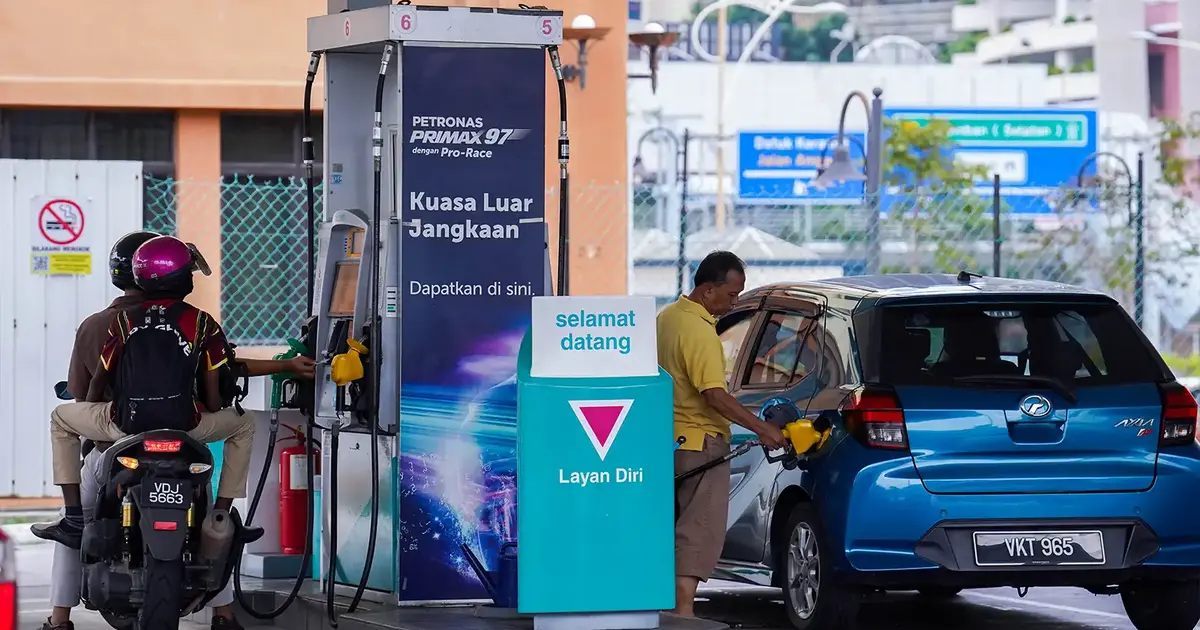
The Malaysian government faces an escalating fiscal burden as its fuel subsidy programme is projected to consume RM40 billion in 2026, reflecting the mounting pressures on the federal budget amid volatile global energy markets and domestic consumption patterns. Prime Minister Anwar Ibrahim has acknowledged this substantial expenditure forecast while simultaneously reassuring Malaysians that the nation's petroleum reserves and supply chains remain robust enough to meet ongoing domestic demand without disruption.
The anticipated RM40 billion subsidy allocation represents a significant portion of government expenditure and underscores the persistent challenge of balancing fuel affordability for ordinary Malaysians against the fiscal sustainability of public finances. This budgetary commitment reflects the government's continued policy of maintaining relatively affordable fuel prices at the pump, a politically sensitive issue that directly affects transportation costs, inflation rates, and the purchasing power of citizens across the country.
Fuel subsidies have long constituted a contentious policy issue within Malaysia's economic framework. The financial commitment required to maintain below-market fuel prices diverts substantial resources from other critical areas such as healthcare, education, and infrastructure development. The projection of RM40 billion for 2026 suggests that without policy adjustments, this expenditure could continue consuming an ever-larger share of the national budget in subsequent years.
Anwar Ibrahim's reiteration regarding petroleum supply stability carries particular significance given Malaysia's status as a petroleum-producing nation. The country's proven reserves and ongoing production capacity position it differently from energy-importing nations, yet domestic consumption growth and global market dynamics still create pressures on the balance between export revenues and domestic allocation. The Prime Minister's emphasis on sufficiency aims to counter any public anxiety about energy security while justifying the continued provision of subsidised fuel.
The global crude oil price environment constitutes a critical variable influencing Malaysia's subsidy bill projections. Fluctuations in international petroleum prices directly impact the differential between global market rates and the subsidised domestic prices maintained by the government. Should crude prices remain elevated or increase further, the subsidy burden could potentially exceed current forecasts, placing additional strain on fiscal resources already allocated for other pressing national priorities.
The subsidy mechanism reflects broader policy considerations regarding social welfare and economic competitiveness. By maintaining lower fuel prices domestically, the government aims to protect lower-income households and transport-dependent businesses from sharp cost increases. However, this approach creates market distortions, encourages inefficient fuel consumption patterns, and constrains the government's ability to invest in long-term economic transformation and sustainability initiatives.
Malaysia's experience with fuel subsidies mirrors challenges faced by numerous developing and middle-income nations attempting to balance immediate social needs with long-term fiscal health. Previous attempts at subsidy rationalisation in Malaysia have encountered significant public resistance, making wholesale policy reform politically challenging despite recognised economic inefficiencies inherent in prolonged, large-scale subsidisation.
The RM40 billion projection also reflects an implicit government strategy regarding energy transition and economic development. As Malaysia pursues diversification away from petroleum-dependent economic models and invests in renewable energy and technology sectors, the persistence of substantial fuel subsidies represents an allocation of resources that might alternatively support research, development, and infrastructure for emerging industries that could generate sustainable long-term growth.
Regional context adds another dimension to Malaysia's subsidy challenge. Neighbouring countries have pursued varying approaches to fuel pricing and subsidy policies, creating competitive pressures and cross-border shopping dynamics that influence effective domestic consumption. The government's commitment to maintaining supply adequacy and affordability must therefore account for these regional economic interactions and their implications for national revenue and resource management.
Moving forward, policymakers face increasing pressure to develop comprehensive energy strategies that address simultaneously the immediate affordability concerns of Malaysian citizens, the fiscal sustainability of government budgets, and the longer-term imperatives of environmental responsibility and economic competitiveness. The RM40 billion subsidy projection serves as a fiscal warning signal, prompting questions about whether current policy frameworks remain tenable or whether gradual, carefully designed transitions toward market-reflective pricing might better serve Malaysia's economic future while protecting vulnerable population segments through targeted, efficiency-focused social support mechanisms.
The government's parallel emphasis on supply security suggests recognition that fuel policy encompasses both demand-side considerations regarding affordability and supply-side realities regarding resource availability and geopolitical positioning. Anwar Ibrahim's dual messaging therefore attempts to address multiple stakeholder concerns simultaneously, though the fundamental tension between maintaining subsidies and achieving fiscal discipline remains unresolved within Malaysia's economic policy architecture.

