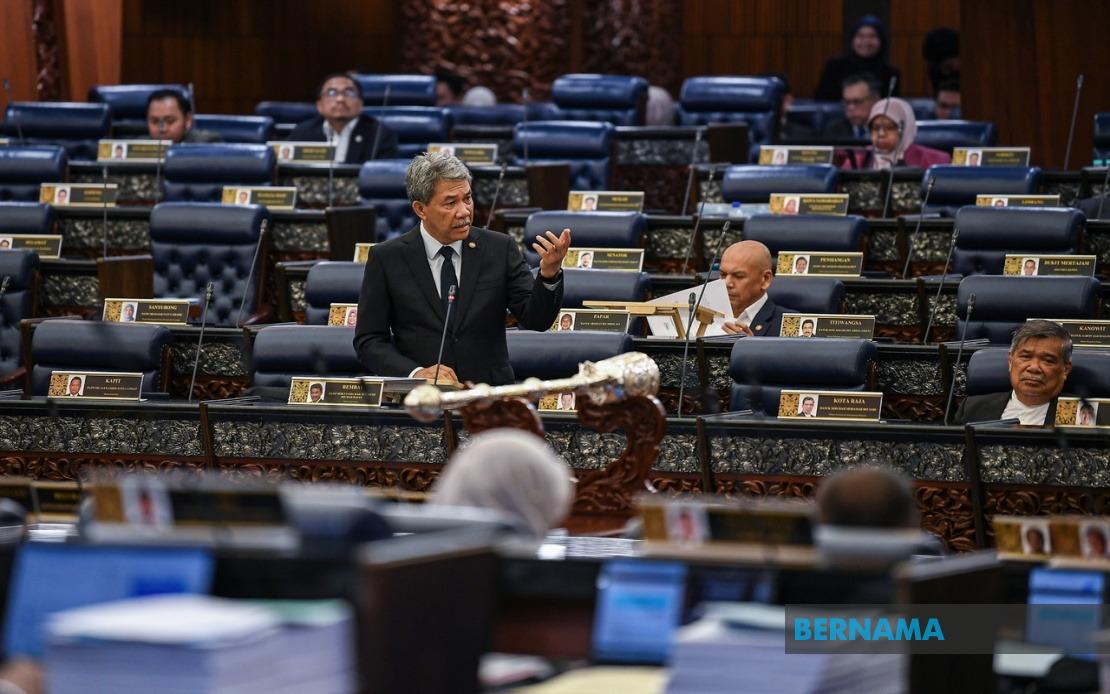
Malaysia's Humanitarian Trust Fund for the People of Palestine operates under robust oversight mechanisms and transparent governance structures, according to Foreign Minister Datuk Seri Mohamad Hasan, who addressed parliamentary concerns about the fund's administration this week. The minister fielded questions in the Dewan Rakyat regarding allegations that have circulated about how the nation's humanitarian assistance to Gaza is being managed and distributed, providing lawmakers with detailed assurances about the fund's institutional safeguards.
The AAKRP functions as a government-administered trust account rather than an independently operated vehicle managed by external organisations, Mohamad emphasised, a distinction that ensures direct accountability to Malaysian authorities. This structural arrangement means that all financial decisions and disbursement protocols fall under the purview of the Foreign Ministry, which maintains day-to-day operational control. The minister stressed that inaccurate social media narratives claiming mismanagement of the fund do not reflect the reality of how Malaysia channels its Palestinian assistance.
Several layers of external oversight reinforce the fund's integrity. The Auditor-General conducts regular audits of the AAKRP's accounts, providing independent verification of financial transactions and compliance with government standards. Additionally, the fund's status and performance are subject to routine reporting cycles presented to Malaysia's Cabinet, ensuring that ministers across government maintain awareness of disbursement patterns and fund utilisation. These mechanisms reflect standard governance practices applied to official trust funds and reflect Malaysia's commitment to accountability in its international aid commitments.
To ensure that assistance reaches intended beneficiaries rather than being diverted or misappropriated, Malaysia has deliberately chosen to channel humanitarian aid through established multilateral and regional organisations with proven track records in conflict zones. The United Nations Relief and Works Agency for Palestine Refugees in the Near East, widely known as UNRWA, serves as one primary conduit for Malaysia's support, leveraging the UN body's extensive infrastructure and experience across Palestinian territories. The Jordan Hashemite Charity Organisation and the Palestine Red Crescent Society represent additional partners with deep operational presence in the region, while King Hussein Hospital provides a trusted medical facility channel for health-related assistance.
This multi-partner approach reflects a deliberate strategy to diversify distribution pathways and reduce operational risk. By working with organisations that maintain independent oversight and international accountability standards, Malaysia mitigates the possibility of funds being misappropriated while simultaneously leveraging partners' existing logistical networks and community connections. The selection of these specific organisations indicates that Malaysian officials have vetted each entity's governance structures and performance records before designating them as official channels for government assistance.
Malaysia has dispatched multiple categories of humanitarian relief to Gaza over recent months, including food supplies, medical equipment, and pharmaceutical products essential for treating conflict-related casualties and managing chronic health conditions. Some shipments initially faced delays in reaching Gaza due to closure of overland crossing points, but the reopening of these humanitarian corridors—negotiated through coordination with the Egyptian government—has enabled previously delayed consignments to proceed toward their destinations. This logistical breakthrough represents a significant development for Malaysia and other nations attempting to increase humanitarian throughput into the besieged territory.
The humanitarian conditions in Gaza continue to deteriorate, with basic services and infrastructure heavily compromised by ongoing military operations. Hospitals have sustained significant damage, limiting civilian access to medical care precisely when civilian casualties remain elevated. Educational institutions have been damaged or destroyed, disrupting schooling and creating long-term developmental consequences for Gaza's youth population. Houses of worship have suffered destruction, affecting not only spiritual life but also psychological wellbeing in a population under extreme stress. These conditions underscore why Malaysia and other nations view humanitarian assistance as a pressing moral imperative independent of broader political positions.
The parliamentary questioning reflects broader public concern across Malaysia regarding where government resources directed toward Palestinian aid ultimately arrive and how they are deployed. Social media platforms have amplified unverified claims about mismanagement, creating pressure on officials to provide detailed clarifications about fund governance. Mohamad's response sought to address this scepticism by detailing the governance architecture surrounding the AAKRP, effectively inviting public confidence based on institutional oversight rather than requesting blind faith in government competence.
For Malaysia, where significant public sympathy exists for the Palestinian cause and support for humanitarian assistance commands broad bipartisan backing, maintaining demonstrable transparency in aid delivery serves both moral and political interests. Malaysian voters expect their government to manage resources responsibly while advancing humanitarian principles, and the Foreign Ministry's emphasis on audits, Cabinet oversight, and established partner channels represents an attempt to satisfy these dual expectations. The minister's parliamentary statement signals that Malaysia intends to sustain its assistance commitments while maintaining governance standards that assure domestic constituencies their contributions serve intended purposes.
The emphasis on direct distribution through multilateral channels rather than through government-to-government transfers also reflects lessons learned from conflicts elsewhere, where aid intended for civilians has sometimes been intercepted or diverted by armed groups. By utilizing organisations like UNRWA that operate extensive neutral presence across Palestinian territories and maintain detailed beneficiary records, Malaysia increases the likelihood that assistance addresses civilian needs as intended. This approach represents a pragmatic balance between maximising aid effectiveness and maintaining the institutional independence that Palestinian aid advocates consider essential for ensuring assistance reaches vulnerable populations.