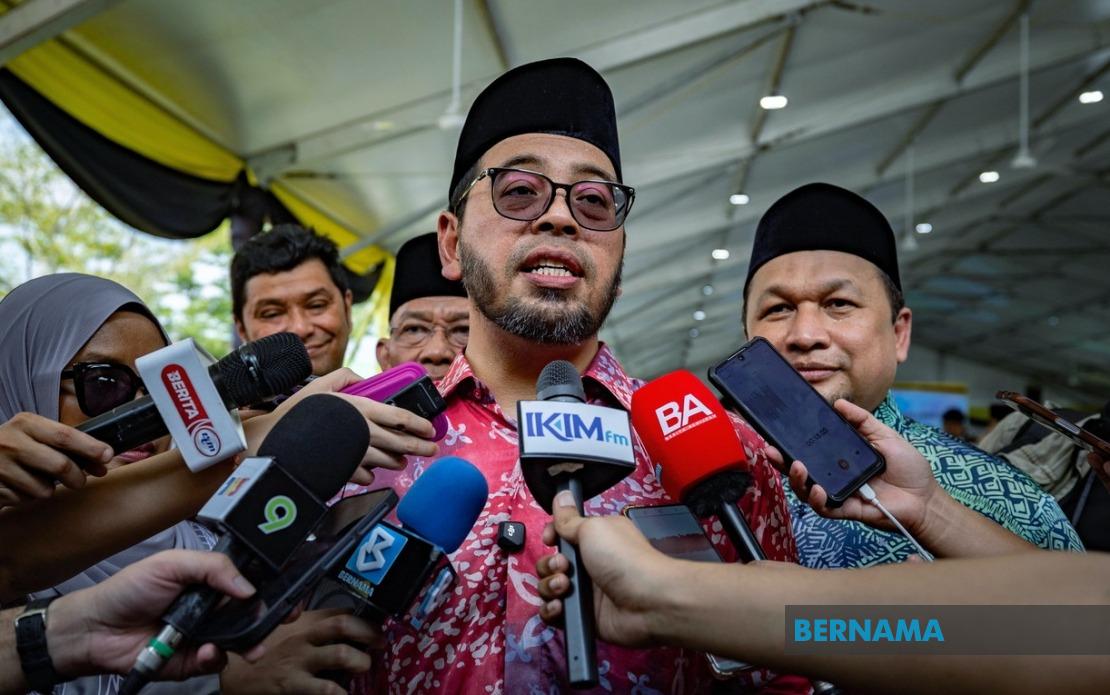
The Malaysian federal government has signalled a renewed commitment to positioning pondok institutions, madrasahs and religious schools as integral pillars of the nation's development framework. Minister Dr Zulkifli Hasan articulated this vision while addressing participants at the 2026 Perak Pondok and Religious Schools Gathering in Chemor, an event that drew approximately 3,000 attendees including educators, religious scholars, NGO representatives and community members. The gathering represents a broader governmental strategy to institutionalise support for Islamic educational establishments across the country, moving beyond ad-hoc assistance to systematic, structured engagement.
At the heart of this approach lies a fundamental philosophical reorientation regarding what constitutes genuine national progress. Dr Zulkifli emphasised that economic indicators and infrastructure development, while important, cannot serve as the sole measures of a nation's advancement. Instead, the government contends that a country's true strength resides in the quality and moral character of its populace. This perspective aligns with the Malaysia MADANI framework, which prioritises holistic human development and societal well-being as cornerstones of policy-making. The religious education sector, with its traditional focus on imparting ethical and spiritual guidance alongside academic learning, occupies a distinctive position within this vision.
Prime Minister Datuk Seri Anwar Ibrahim's presence at the Chemor ceremony underscored the government's high-level engagement with religious educational institutions. His officiation of the event signalled that support for pondoks and religious schools transcends departmental initiatives and reflects a whole-of-government priority. This elevation of the agenda reflects recognition that religious schools serve populations extending beyond their immediate student bodies, functioning as community anchors in many localities throughout Malaysia, particularly in rural and semi-urban areas where such institutions have historically provided educational access to families with limited resources.
The Prime Minister's Department (Religious Affairs) has positioned itself as the coordinating agency for this strategic partnership framework. Through this department, the government commits to sustained collaboration with state governments, State Islamic Religious Departments, and State Islamic Religious Councils to ensure religious educational institutions develop in ways that remain relevant to contemporary Malaysian society. This multi-layered governance structure acknowledges that religious education operates within complex jurisdictional arrangements, requiring coordination across federal and state authorities to achieve coherence and effectiveness.
Tangible support mechanisms were evident at the Chemor gathering, where Dr Zulkifli distributed MADANI Aid Baskets to twelve recipients representing 250 community beneficiaries. Beyond this symbolic gesture, the government announced broader assistance programmes including direct funding to pondok institutions and religious schools in Perak, student fee sponsorships, and backing for the Fast Track Sijil Pelajaran Malaysia programme. These interventions address immediate financial pressures faced by religious educational establishments, many operating with limited endowments and struggling to maintain quality facilities and teacher compensation.
The involvement of Yayasan Dakwah Islamiah Malaysia (YADIM) as a implementing partner reveals how the government leverages established Islamic civil society organisations to extend its reach. YADIM's capacity to mobilise resources for emergency assistance to needy families, coordinate with grassroots communities, and engage religious scholars demonstrates the complementary roles that government agencies and Islamic NGOs play in Malaysia's social support architecture. This partnership model distributes implementation responsibility while maintaining government oversight of strategic direction and resource allocation.
A noteworthy dimension of the Chemor event was the intellectual content programming, particularly the Bicara Murobbi forum addressing "The Role of Religious Scholars and Leaders in Nation Building". Speakers including Sheikh Wazir Che Awang Al-Makki, former Perak Mufti Datuk Seri Wan Zahidi Wan Teh, and preacher Ustaz Mohamad Saifuddin Abdul Latiff engaged audiences in substantive discussions about religious leaders' responsibilities in contemporary Malaysia. This programming framework positions the government as facilitating dialogue within Islamic intellectual circles rather than imposing directives, reflecting a consultative approach to policy development affecting religious education.
For Malaysian readers, this governmental repositioning carries implications extending beyond educational policy. It suggests that religious schools will increasingly feature in national development priorities, potentially attracting enhanced resource allocation across multiple fiscal years. Students at pondok and religious institutions may benefit from expanded scholarship schemes and improved infrastructure investments. Communities in which these schools operate can anticipate more intensive government engagement and support services.
Regionally, Malaysia's approach demonstrates one model for Southeast Asian governments attempting to integrate religious educational institutions into broader development frameworks while maintaining secular governance structures. Unlike approaches in some neighbouring countries where religious schools operate with minimal state involvement, Malaysia's strategy reflects confidence in these institutions' capacity to contribute to nation-building objectives while respecting their religious mission and institutional autonomy. The emphasis on partnership rather than control or marginalisation represents a middle path that other regional governments may observe closely.
The sustainability of this commitment hinges on continued resource flows and bureaucratic follow-through on announced programmes. Religious schools have experienced cycles of governmental enthusiasm and neglect, making consistent funding streams essential to institutional stability. The government's linking of religious school support to the Malaysia MADANI framework suggests this initiative enjoys medium-term political backing, though implementation will ultimately determine whether the strategic recognition translates into material improvements in educational quality and community welfare.
Looking forward, the government faces the challenge of ensuring that its partnership with religious schools strengthens Islamic education's relevance without compromising academic rigour or marginalising other subject areas. Successfully balancing religious instruction with STEM education and digital literacy will determine whether pondok and religious school graduates compete effectively for employment in modern Malaysia. Government support mechanisms should ideally enhance these institutions' capacity to modernise curricula and teaching methodologies while preserving their distinctive religious and ethical dimensions.

