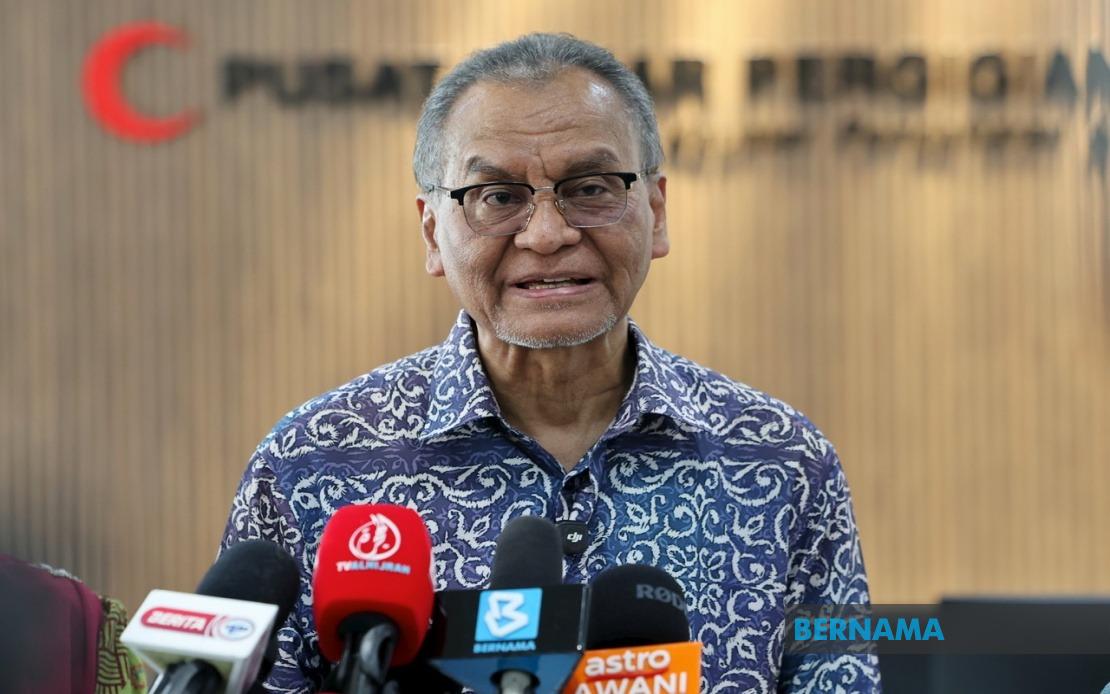
The Malaysian Ministry of Health is taking a measured approach to incorporating dengue vaccines into the National Immunisation Programme, according to Health Minister Datuk Seri Dr Dzulkefly Ahmad, who emphasised that thorough evaluation remains essential despite mounting public health pressure. Speaking in Seremban on August 27, Dr Dzulkefly outlined the ministry's cautious stance, noting that while dengue immunisation products have already gained regulatory approval and entered private healthcare settings, the decision to expand into the public vaccination programme requires substantially more groundwork. The deliberate pace reflects the complexity of introducing new vaccines into established immunisation schedules, particularly when cost considerations remain significant.
Cost represents a central factor in the ministry's deliberation process. Dr Dzulkefly acknowledged that newly available dengue vaccines command premium pricing in the current market, making any mass public rollout financially challenging for government budgets already stretched across multiple health priorities. The ministry is conducting detailed cost-benefit analyses on a dengue vaccine from Japan, examining not only the direct acquisition expenses but also the broader economic implications of nationwide deployment. This financial scrutiny is essential given that the National Immunisation Programme must serve Malaysia's entire population efficiently while maintaining sustainability. The affordability question becomes increasingly urgent as dengue cases accelerate across the country, creating pressure to expand protection while fiscal realities demand prudent resource allocation.
The timing of these deliberations occurs against a deteriorating dengue landscape nationwide. By epidemiological week 33 of 2026, which concluded on August 22, Malaysia had recorded over 61,000 dengue cases, representing a staggering 60.8 per cent increase compared to the corresponding period in 2025. The rising caseload has proven deadly, with 58 fatalities already documented. These figures underscore the urgency surrounding dengue control measures and highlight why the ministry's vaccine evaluation process has attracted heightened public scrutiny. The surge particularly affects major urban centres including Kuala Lumpur and Selangor, regions where dengue transmission traditionally peaks during monsoon seasons and where dense populations create ideal conditions for mosquito proliferation.
In response to escalating cases, the Ministry of Health has activated dedicated dengue operations rooms and strategically deployed personnel to identified hotspots across the country. Simultaneously, the ministry is expanding its use of Wolbachia-infected mosquitoes, a biological control approach that reduces transmission by introducing the bacterium into wild mosquito populations. This multi-pronged strategy reflects modern dengue management philosophy, combining vector control, surveillance, and soon potentially vaccination. However, Dr Dzulkefly emphasised that dengue suppression cannot succeed through governmental action alone. The minister called for comprehensive cooperation involving local authorities, related agencies, and community participation to eliminate breeding grounds where Aedes mosquitoes reproduce, particularly in residential areas and commercial premises.
The ministry's broader vaccine portfolio planning demonstrates why dengue vaccine integration requires careful sequencing within the National Immunisation Programme. Dr Dzulkefly indicated that several other vaccines remain under consideration for eventual NIP inclusion, meaning the dengue vaccine decision exists within a larger context of immunisation priorities. The ministry is systematically evaluating multiple candidates and will announce additions only once officials conclude that specific vaccines represent reasonable additions to Malaysia's public health arsenal. This staged approach prevents programme overload while ensuring that new introductions genuinely serve population health needs rather than responding to transient pressures or commercial promotion.
Beyond dengue vaccination, Dr Dzulkefly highlighted the ministry's expanding dental healthcare initiatives during his Seremban visit, where he inaugurated the Negeri Sembilan Dental Specialist Centre. This RM32 million facility represents Malaysia's first dental specialist referral centre operating outside traditional hospital settings, establishing a model potentially applicable across other states. Since commencing operations in September 2025, the centre has treated 11,085 patients by June 2026, demonstrating strong demand for specialist dental services among the public. The facility functions as a central referral hub serving Negeri Sembilan, Selangor, Kuala Lumpur, Putrajaya, and Melaka, collectively serving 11.89 million residents who previously faced constrained access to specialist-level dental care.
The facility's operational efficiency has improved dramatically since opening. The addition of 18 modern dental chairs has increased daily treatment capacity by nearly 90 per cent, expanding from 80 to 150 patients daily. More significantly, waiting periods for specialist treatment have compressed substantially, declining from two months to between two to three weeks. These improvements reflect investment in both infrastructure and information systems that streamline patient management and treatment scheduling. The Dental Information System, combined with modern imaging facilities and skill development laboratories, positions the centre as a regional excellence hub where dental professionals receive continuous clinical training, ultimately enhancing service quality across the sector.
The ministry plans systematic expansion of this centralised dental specialist model to other Malaysian states through a phased geographical approach. Initial rollout will target zonal centres, beginning with the central zone encompassing Negeri Sembilan and the Borneo zone, before progressing state by state. This strategy aims to ensure more equitable geographic distribution of specialist dental services, addressing historical disparities where residents in certain regions faced substantially longer waiting periods and travel requirements to access specialist treatment. Beyond specialist facilities, the ministry is strengthening basic dental services delivery through expanded outreach programmes, including eight new Mobile Dental Clinics scheduled for arrival by year's end across Sabah, Perlis, Penang, Selangor, Putrajaya, and Johor.
Dr Dzulkefly also noted the ministry's review of proposals to incorporate dental services within the PeKa B40 scheme, which targets vulnerable lower-income households. Integration into this broader assistance programme would expand preventive dental treatment access among populations often least able to afford private care. The minister emphasised that dental health warrants recognition as integral to preventive medicine and primary healthcare delivery, particularly given dentistry's crucial role in managing non-communicable diseases. Poor oral health frequently correlates with systemic conditions including diabetes and cardiovascular disease, making dental care expansion an investment in comprehensive chronic disease prevention across Malaysian communities.
Looking forward, Malaysia's Health Ministry faces the complex challenge of balancing multiple competing health priorities while managing escalating dengue transmission. The dengue vaccine question exemplifies broader resource allocation dilemmas affecting developing healthcare systems, where numerous legitimate demands exceed available funding. While Dr Dzulkefly's measured approach to vaccine evaluation reflects appropriate caution regarding public health decisions, the worsening dengue situation may ultimately force acceleration of the timeline. Southeast Asian nations including Thailand and Singapore have already integrated dengue vaccines into immunisation programmes, potentially applying competitive pressure on Malaysian policymakers. The coming months will reveal whether cost-benefit analyses conclude that dengue vaccine inclusion represents justified public investment, or whether rising cases will prompt policy recalibration before formal programme integration occurs.

