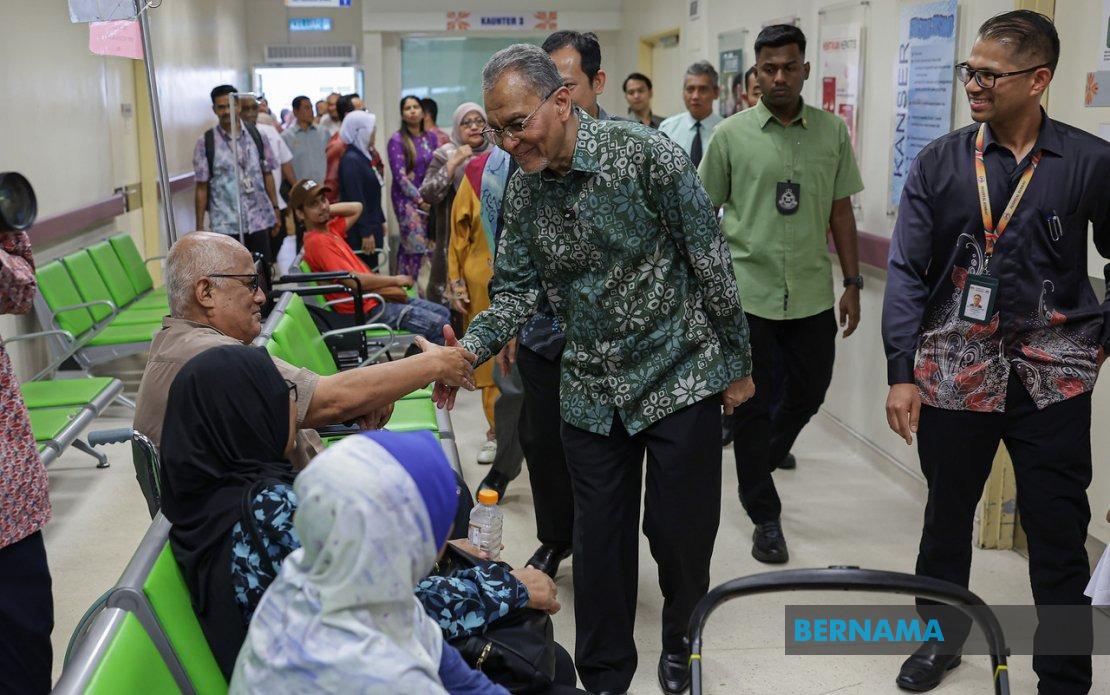
The Ministry of Health is working towards formalising a comprehensive workplace mental health policy by the end of the third quarter, marking a significant step in addressing occupational wellbeing across the Malaysian workforce. Health Minister Datuk Seri Dr Dzulkefly Ahmad announced the timeline during an event in Rembau, emphasising the administration's commitment to developing evidence-based guidelines that extend well beyond conventional approaches to employee wellness.
The policy development process involves coordinated engagement with multiple stakeholders across different sectors of Malaysian society. The Ministry of Human Resources, the Department of Occupational Safety and Health, the Malaysian Employers Federation, and the Malaysian Trades Union Congress are among the key participants in consultation sessions designed to ensure the final framework reflects diverse workplace realities and operational constraints. This multi-stakeholder approach reflects growing recognition that mental health in employment requires buy-in from government, business, and labour representatives to be truly effective.
The extended timeline through September and October allows the health ministry sufficient space to synthesise feedback from various engagement sessions while developing practical implementation guidelines. Rather than rushing to announcement, officials are prioritising thorough consultation to build consensus around measures that will have real impact in offices, factories, and service sectors nationwide. This methodical approach acknowledges that sustainable workplace mental health improvements depend on broad acceptance among employers and workers alike.
Dzulkefly's comments underscore that the emerging policy will tackle mental wellbeing from multiple angles rather than treating it as a narrow human resources concern. Work-life balance, organisational support mechanisms, and systemic approaches to managing workload pressures form the policy's conceptual foundation. By addressing these interconnected factors, the framework aims to create conditions where employees can maintain psychological resilience rather than simply offering reactive counselling services after problems arise.
The focus on preventative measures reflects international best practices in occupational health. Malaysian workplaces, like those throughout Southeast Asia, increasingly confront issues of burnout, stress-related illness, and mental health crises among employees. A coordinated national policy could standardise minimum expectations for how organisations approach employee mental health, reducing the current patchwork where only larger corporations with dedicated human resources departments maintain comprehensive wellness programmes.
Parallel to the mental health policy initiative, the Ministry of Health is advancing broader healthcare infrastructure improvements through the cluster hospital concept. This model leverages specialist expertise from lead facilities to extend advanced services to smaller, non-specialist hospitals across different regions. Rather than concentrating expertise in major urban centres, the approach distributes specialist capabilities more equitably throughout the healthcare network, addressing longstanding disparities in service availability between developed and rural areas.
The cluster system offers particular advantages for smaller states and districts where population size cannot justify standalone specialist departments. By enabling paediatricians, obstetric specialists, ophthalmologists, and ear-nose-throat practitioners from larger hospitals to provide services at secondary facilities, the model improves access without requiring capital-intensive construction of new hospital buildings. This efficiency aligns with fiscal realities while demonstrating commitment to universal healthcare principles embedded in Malaysian policy frameworks.
Upgrading non-specialist hospitals to offer selected specialist services represents a staged, needs-based approach to healthcare modernisation. Rather than following a uniform template, each facility's development plan reflects local demographic requirements and existing capacity. This customised method recognises that resource allocation must match population health needs, preventing wasteful duplication while ensuring critical services reach those who need them most.
The strengthening of primary healthcare systems runs parallel to specialist service expansion, acknowledging that robust frontline services form the foundation of effective healthcare. By enhancing capacity at the community level while simultaneously distributing specialist expertise more widely, the health ministry pursues integrated healthcare delivery where prevention, primary care, and specialised treatment function as complementary components of a coherent system.
These simultaneous initiatives—the workplace mental health policy and cluster hospital development—reflect Malaysia's broader healthcare modernisation strategy under current ministry leadership. Both initiatives demonstrate that healthcare improvement need not depend solely on building new facilities or dramatically increasing budgets; rather, strategic policy frameworks, better coordination among existing institutions, and thoughtful deployment of human expertise can substantially improve service quality and accessibility. For Malaysian workers and patients, these developments suggest the government recognises that health is not merely an individual concern but a systemic challenge requiring coordinated, evidence-based responses across multiple sectors and governance levels.

