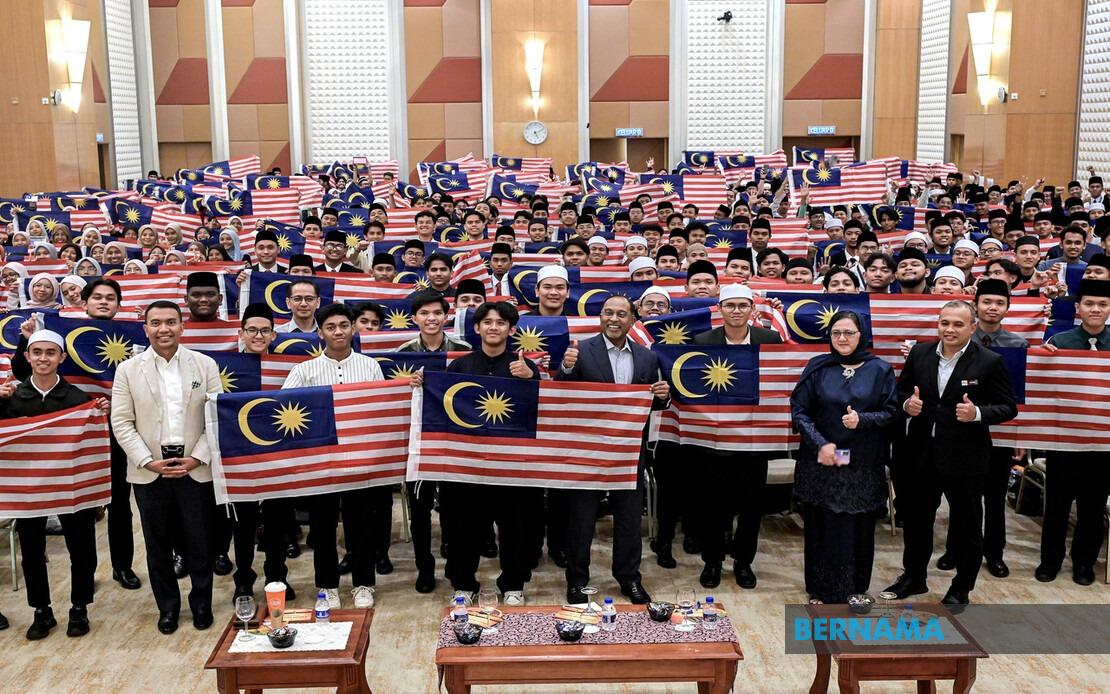
The Ministry of Higher Education has committed to strengthening its surveillance and protection mechanisms for Malaysian students studying across West Asia, responding to escalating tensions in the region that have prompted major powers to reconsider their presence. Higher Education Minister Datuk Seri Dr Zambry Abd Kadir made the assurance in Putrajaya, emphasising that MOHE would remain in constant consultation with Wisma Putra to track the movements and safeguard the welfare of all Malaysians pursuing tertiary education in the region.
The announcement comes as the geopolitical landscape in West Asia becomes increasingly unpredictable, with the United States already issuing travel advisories counselling its citizens to depart the region. Dr Zambry acknowledged this volatility, noting that shifting foreign policy stances mean conditions can change rapidly, necessitating a proactive rather than reactive approach from Malaysia's education authorities. By maintaining continuous dialogue with the Foreign Ministry, MOHE seeks to stay ahead of developments and implement protective measures before crises escalate to threaten Malaysian interests.
Despite the heightened concerns, MOHE has not reported any direct impact on Malaysian students currently enrolled in Egypt, Jordan, or Morocco, the three primary destinations for Malaysian higher education seekers in the region. The ministry remains prepared to act decisively should circumstances deteriorate, demonstrating a balanced approach that neither causes unnecessary alarm nor complacency among the student population and their families back home. This measured stance reflects the ministry's understanding that many Malaysian students have committed to multi-year programmes and cannot simply abandon their studies at the first sign of instability.
A significant cohort of 456 Malaysian students is scheduled to commence their studies in these three countries from September 1, having recently completed the International Charisma Programme organised jointly by MOHE and the Malaysia Nationhood Academy. The preparatory initiative provided participating students with crucial briefings from ministry officials, guidance on adapting to life abroad, and opportunities to understand the welfare support systems available to them. Through this programme, students gain not merely academic readiness but also orientation on how institutional support networks function to assist them during their overseas tenure.
The scale of Malaysia's educational footprint in West Asia is substantial and diversified. Egypt alone hosts thousands of Malaysian students pursuing varied fields including Islamic studies, medicine, dentistry, pharmacy and allied health professions, representing strategic investments in developing the skilled workforce Malaysia requires for future growth. Jordan accommodates an estimated 1,000 to 2,000 Malaysian students, while Morocco remains an emerging but growing destination with modest but expanding enrolment numbers. This geographical and disciplinary distribution underscores how West Asian institutions have become integral components of Malaysia's higher education ecosystem.
To operationalise its oversight mandate, MOHE maintains Education Malaysia offices in both Egypt and Jordan that serve as coordination hubs for student welfare, visa matters, and emergency response. Although Malaysia does not operate a dedicated Education Malaysia office in Morocco, administrative responsibility for Malaysian students there flows through the Egypt office, creating a streamlined chain of communication and support. These offices remain perpetually staffed and equipped to handle emergencies, providing reassurance to students and their families that institutional presence exists beyond the classroom.
The vulnerability of Malaysian students abroad reflects a broader reality facing middle-income countries whose citizens pursue tertiary education in regions prone to geopolitical volatility. Unlike wealthy nations with extensive diplomatic machinery and private sector resources, Malaysia relies primarily on government coordination through its ministries to protect student interests. This places considerable responsibility on MOHE to maintain accurate registers of student locations, maintain communication channels with host institutions, and coordinate with the Foreign Ministry for contingency planning should mass evacuation become necessary.
Dr Zambry framed Malaysian students studying abroad as strategic national assets, emphasising that their overseas education represents not merely personal advancement but investments in Malaysia's future capacity and competitiveness. The expectation is that graduates will return home equipped with international qualifications and cross-cultural competence, contributing to economic development and national capacity-building. This perspective explains the government's willingness to monitor overseas students closely and intervene protectively when threats emerge—their safety and completion of studies directly affect Malaysia's return on educational investment.
Beyond security concerns, MOHE used the occasion to articulate an educational philosophy extending beyond academic knowledge accumulation. The concept integrating ta'lim (knowledge transmission), tarbiah (personal development) and ta'dib (ethical and moral instruction) reflects Islamic pedagogical traditions and signals that MOHE views student formation holistically. Students studying abroad, particularly in West Asian settings with Islamic cultural contexts, encounter opportunities to integrate academic learning with character development in ways aligned with these principles.
Malaysia's international higher education credentials have strengthened substantially, as evidenced by growing enrolment from approximately 180 countries across local institutions. This diversification reduces institutional dependency on any single source country and demonstrates that Malaysian higher education has achieved genuine international competitiveness rather than remaining a regional curiosity. Such global confidence in Malaysian academic quality indirectly benefits overseas Malaysian students, as it reflects well on Malaysian qualifications and credentials in international labour markets.
The ministry's vigilance over West Asian students must be viewed within the context of Malaysia's broader education internationalisation strategy. As more Malaysians pursue studies abroad in varied regions, institutional capacity to monitor, support and protect them becomes increasingly complex. West Asia presents particular challenges given geopolitical unpredictability, but MOHE's mechanisms for coordinating with the Foreign Ministry and maintaining active offices in key locations establish frameworks potentially applicable to other regions experiencing instability. This crisis, while serious, also functions as a stress test for Malaysia's overseas student protection systems.

