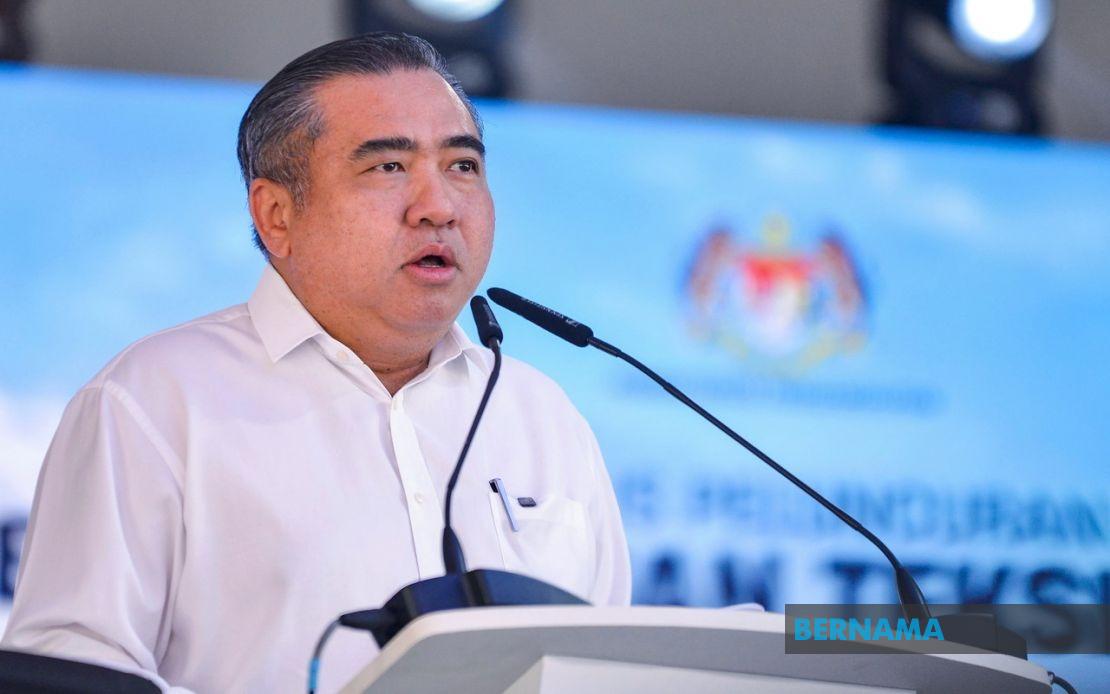
Malaysia's transport sector is undergoing a fundamental transformation with the launch of the National MADANI Taxi Reform Programme, which fundamentally restructures how taxi drivers acquire and retain their vehicles. Announced at Dataran Merdeka in Kuala Lumpur on July 3, the initiative represents a departure from decades of leasing arrangements that have characterised the traditional taxi industry, introducing instead an ownership model that grants drivers full legal title to their vehicles despite financing through financial institutions. Transport Minister Anthony Loke unveiled the programme at an event officiated by Prime Minister Datuk Seri Anwar Ibrahim, signalling the government's commitment to modernising a sector that has long served as a critical component of Malaysia's urban transportation network.
The philosophical underpinning of this reform centres on economic empowerment for working drivers. Under the previous leasing system, drivers operated vehicles owned by leasing companies, meaning they bore operational responsibilities while ownership benefits accrued elsewhere. The new arrangement inverts this dynamic substantially. Loke emphasised during the launch that drivers participating in the MADANI programme will function as genuine legal proprietors of their taxis, a status that persists regardless of how the purchase is financed. This distinction carries profound implications for driver autonomy, asset accumulation, and long-term financial security. The special approval from the Ministry of Finance enabling this structural change reflects a deliberate policy decision to channel wealth-building opportunities toward the driving community itself.
The government's selection of the Proton S70 sedan as the standardised taxi model reflects considerations extending beyond mere economics to encompass safety, passenger experience, and operational efficiency. The locally-produced vehicle incorporates modern safety architecture, enhanced passenger comfort specifications, and improved fuel consumption profiles compared to the vehicles currently operating across Malaysian cities. This standardisation approach offers multiple advantages: it simplifies maintenance logistics through concentrated spare parts availability, enables driver training efficiency, and projects a modernised image of Malaysian taxi services to both domestic and international users. The deliberate choice of a Malaysian automotive product also supports domestic manufacturing capacity and employment in the automotive sector, creating subsidiary economic benefits beyond the taxi industry proper.
A visible symbol of this modernisation manifests in the taxis' external appearance and registration system. The new vehicles will abandon the traditional roof-mounted taxi topper that has defined Malaysian cabs for generations, replacing it with a sleeker contemporary design. The specially designated registration series beginning with the letters "GET" creates immediate visual distinction between reformed and conventional taxis, offering both regulatory clarity and marketing advantage. This rebranding element carries psychological weight for both drivers seeking to present a professional image and passengers potentially preferring the perceived modernity and legitimacy of officially sanctioned reformed vehicles. The visual transformation signals broader industry evolution rather than merely cosmetic change.
Recognising that ownership alone does not guarantee sustainable income improvement, the reform programme incorporates complementary revenue diversification mechanisms. Digital advertising screens positioned within taxi cabins represent a novel income stream that converts otherwise unused interior space into monetisable assets. Loke indicated that the ministry is collaborating with private sector partners to implement and manage these advertising installations, suggesting a structured approach to maximising driver benefits while maintaining professional standards. This advertising revenue supplements traditional metering income without requiring drivers to expand working hours or compromise service quality, addressing a persistent challenge in the sector where wage stagnation has driven many experienced drivers away.
The integration of digital booking systems through e-hailing platforms represents another crucial modernisation element within the MADANI framework. Rather than positioning traditional taxis as competitors to e-hailing services, this approach acknowledges market reality and adapts the traditional sector accordingly. By enabling taxi drivers to access digital booking networks, the programme facilitates fare aggregation opportunities and expands customer reach beyond street hails and telephone dispatch. This integration addresses a fundamental challenge that has threatened traditional taxi operators: the competitive pressure from technologically-enabled ride-sharing platforms. Malaysian drivers gain access to digital infrastructure previously dominated by private e-hailing companies, potentially narrowing the operational advantages those platforms have enjoyed.
The reform programme emerges within a broader context of transport sector transformation affecting Southeast Asia more broadly. Regional cities from Bangkok to Jakarta have grappled with similar challenges: aging taxi fleets, driver retention difficulties, and competition from app-based services. Malaysia's approach of combining ownership restructuring with technological integration and vehicle modernisation offers a distinctive policy model that other Southeast Asian governments may study and potentially adapt. The emphasis on driver asset ownership diverges notably from regulatory approaches in some neighbouring jurisdictions, positioning Malaysia as an alternative policy laboratory within the region.
For Malaysian taxi drivers, the MADANI programme addresses several longstanding grievances simultaneously. Vehicle ownership eliminates the profit extraction inherent in leasing arrangements, directly increasing driver equity accumulation. The modern Proton S70 potentially reduces maintenance costs and improves reliability compared to aging vehicles currently on roads. Digital revenue streams supplement traditional income without requiring service model changes. Digital booking integration expands income opportunities without requiring transition to full-time e-hailing work. Collectively, these elements constitute a comprehensive response to driver welfare concerns that have periodically surfaced in labour disputes and industry discourse.
However, the programme's success ultimately depends on execution across multiple dimensions. Financial institution cooperation in enabling ownership-based financing at accessible interest rates remains critical. Private sector participation in advertising and digital booking integration must materialise at scale. Driver training for new vehicle operation and digital booking system usage requires sufficient investment and time allocation. Regulatory infrastructure governing the "GET" registration series and its privileges must remain transparent and equitable. Passenger acceptance of advertising-embedded interiors and modified taxi aesthetics requires gradual cultural adjustment. The presence at the launch of Hannah Yeoh as Minister in the Prime Minister's Department and Kuala Lumpur Mayor Datuk Seri Fadlun Mak Ujud suggests coordination across multiple governance levels, which may facilitate smoother implementation relative to fragmented reform efforts.
The MADANI Taxi Reform Programme ultimately represents more than incremental industry adjustment. It reflects a policy philosophy prioritising direct ownership among working people, technological integration as normalisation rather than disruption, and institutional flexibility in service delivery models. Whether this approach proves sustainable and scalable will offer lessons not only for Malaysia's transport sector but potentially for worker economics and platform integration strategies across Southeast Asia and beyond.

