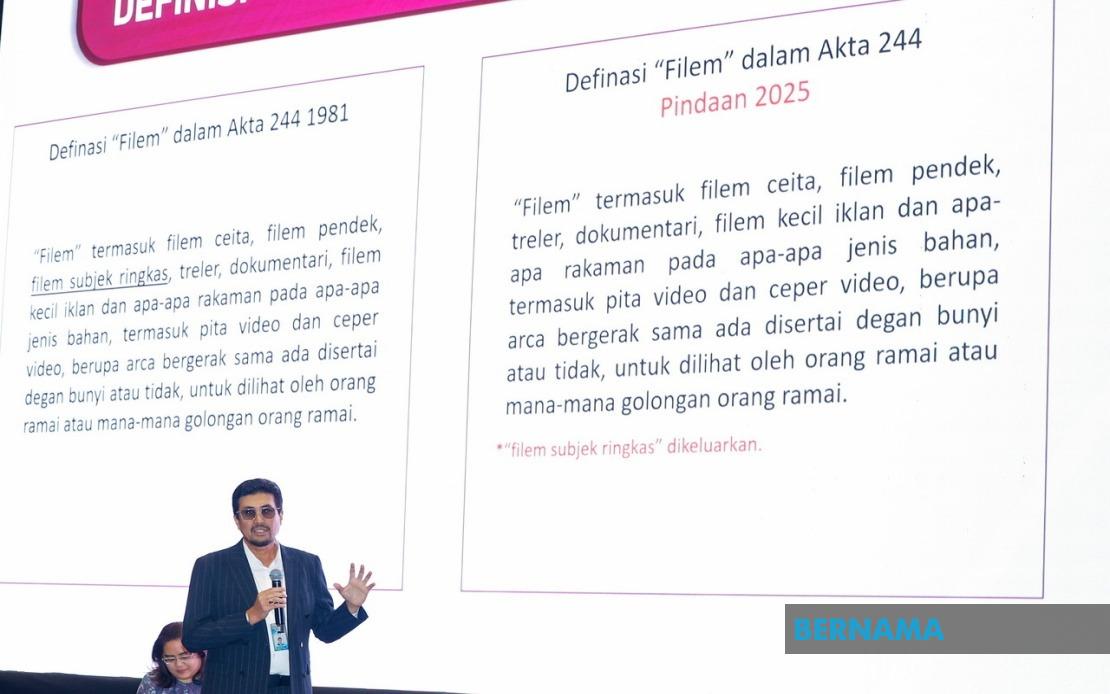
Malaysia's film industry is poised for a significant transformation with the imminent launch of the National Film Policy (DFN) 2026-2035, a comprehensive strategic framework designed to modernise the sector and position it as a key driver of economic growth. The policy, which has undergone two years of intensive stakeholder consultation, represents the most substantial legislative update to the nation's film strategy since 2005 and signals the government's commitment to fostering a dynamic and globally competitive film industry.
According to Datuk Azmir Saifuddin Mutalib, chief executive officer of the National Film Development Corporation Malaysia (FINAS), the policy framework encompasses over 70 distinct initiatives distributed across five core strategic pillars. These pillars—Financing and Investment; Marketing and Promotion; Industry Collaboration and Technology; Human Capital Development and Management; and Governance and Legislation—address the multifaceted challenges facing Malaysia's creative economy. The comprehensiveness of this approach reflects a departure from previous policies that often treated the industry in isolation, instead recognising the interconnected nature of funding, talent development, and market dynamics.
One of the most significant aspects of the DFN 2026-2035 is its emphasis on alternative financing models, a critical priority given the traditional reliance on limited funding sources. The policy recognises that sustainable industry growth requires diversified capital streams, including private investment, international co-productions, and innovative financing mechanisms. For Malaysian filmmakers and production companies, this represents an opportunity to reduce dependency on government grants alone and access a broader ecosystem of funding partners. This shift mirrors developments in other Southeast Asian markets, where diverse funding models have enabled more ambitious and varied content production.
The integration of artificial intelligence and advanced technologies into the policy framework reflects global industry trends and positions Malaysia competitively within the regional creative economy. Rather than viewing AI as merely a cost-reduction tool, the policy acknowledges its potential to enhance storytelling capabilities, optimise distribution channels, and create new revenue streams through virtual production techniques and data-driven audience engagement. This forward-thinking approach differentiates the Malaysian strategy from older frameworks and signals recognition that technological adoption is no longer optional but essential for industry viability.
Market expansion forms another cornerstone of the policy, addressing long-standing challenges in Malaysian film distribution and international visibility. By identifying concrete mechanisms to increase both domestic and international market access, the framework aims to extend the reach of Malaysian productions beyond traditional theatrical releases. This includes exploring streaming platforms, regional distribution networks, and targeted marketing initiatives that leverage Malaysia's multicultural narratives as a distinctive asset in global storytelling landscapes. For regional audiences, this suggests greater availability of diverse Malaysian content across Southeast Asian markets.
The human capital development pillar acknowledges that technological advancement and market opportunities remain hollow without a skilled and certified workforce. The policy commits to workforce training and professional certification programmes, recognising that gaps in technical expertise, production management, and creative direction have historically constrained industry ambitions. By establishing formal certification pathways through institutions like Universiti Teknologi MARA (UiTM) and the National Academy of Arts, Culture and Heritage (ASWARA), the framework creates systematic approaches to talent cultivation rather than relying on ad hoc training initiatives.
Intellectual property protection represents a less visible but equally critical policy component. Strengthened protections for film rights, creative ownership, and digital content distribution create the legal infrastructure necessary for industry confidence. This aspect is particularly important in the digital age, where unauthorised reproduction and piracy pose ongoing threats to producer revenues. By establishing clearer legislative protections, Malaysia signals its commitment to creating an environment where creative investment receives appropriate legal safeguards comparable to international standards.
The formulation process itself demonstrates a commitment to inclusive policymaking. Over two years, FINAS engaged extensively with industry associations, government agencies, academic institutions, and creative professionals to ensure the proposed initiatives align with existing policies and complement rather than duplicate existing frameworks. This consultation approach reduces the risk of bureaucratic overlap and increases stakeholder buy-in, enhancing the likelihood of successful implementation when the policy formally launches later this year.
Feedback from recent stakeholder engagement sessions has focused on refining initiative frameworks and clarifying operational modalities, particularly regarding cooperation mechanisms between FINAS and industry associations. This iterative refinement process, continuing into the final preparation stages, suggests the policy will enter implementation with broad industry consensus and practical clarity about execution pathways. Such collaborative development is crucial for policies affecting creative sectors, where industry actors possess experiential knowledge that technocrats often lack.
The philosophical underpinning of DFN 2026-2035 extends beyond narrow economic metrics. The policy explicitly positions Malaysia's film sector as a platform for articulating the nation's multicultural identity and fostering national unity through storytelling. This cultural dimension distinguishes the Malaysian approach from purely commercial frameworks and recognises that film serves social and cohesive functions alongside economic objectives. For Southeast Asian audiences, Malaysian cinema produced under this framework may increasingly reflect authentic multicultural narratives that resonate across the region's diverse populations.
Implementation success will ultimately depend on resource allocation, institutional capacity, and sustained political support beyond the current policy period. The assignment of a dedicated copywriter to formally compile the comprehensive document before Cabinet submission signals meticulous attention to detail and clarity, essential for ensuring bureaucratic translation of policy intent into operational reality. Once Cabinet approval is secured, the real test begins: whether promised initiatives translate into tangible support mechanisms that genuinely reach industry stakeholders at grassroots levels.
For Malaysia's creative industries and regional audiences, the DFN 2026-2035 represents a critical inflection point. By addressing financing barriers, embracing technology, investing in talent, and protecting intellectual property, the policy creates conditions for a vibrant film ecosystem capable of producing content that achieves both commercial success and cultural resonance. The launch later this year will mark the beginning of a transformation period that determines whether Malaysian cinema emerges as a regional powerhouse or remains regionally peripheral.

