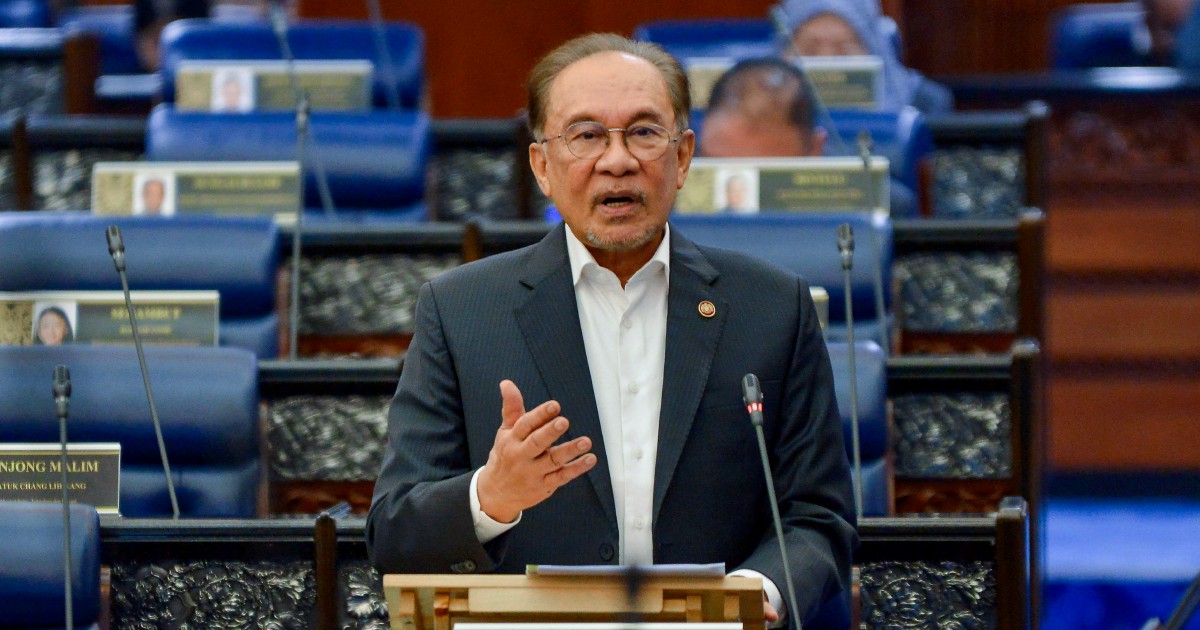
Malaysia's pension funding challenges have come into sharper focus, with Prime Minister Datuk Seri Anwar Ibrahim highlighting a substantial shortfall between investment returns and annual obligations. The Retirement Fund Incorporated, commonly known as KWAP, generated RM12.9 billion in investment earnings, yet this amount falls drastically short of the government's nearly RM45 billion annual pension bill—a gap that underscores mounting pressure on public finances and raises questions about the sustainability of current retirement benefit structures.
The disparity between KWAP's earnings and pension commitments represents one of the more pressing fiscal challenges confronting Malaysia's policymakers. With investment returns covering less than 30 percent of annual obligations, the gap of approximately RM32 billion must be absorbed through general government revenues or deficit financing. This structural imbalance is not a temporary phenomenon but reflects deeper demographic and economic trends that demand comprehensive examination. As Malaysia's population ages and pensioner numbers grow, the fund's ability to bridge this gap through investment performance alone becomes increasingly constrained.
The figures disclosed by the Prime Minister carry particular significance for Malaysian readers because they directly affect government budgetary priorities and, by extension, investment in healthcare, education, and infrastructure. Every ringgit directed toward covering pension shortfalls represents funds unavailable for other development objectives or for debt reduction. This reality forces policymakers into difficult choices about resource allocation and long-term fiscal sustainability. The pressure is particularly acute given Malaysia's existing debt levels and the need to maintain credit ratings that keep borrowing costs manageable.
KWAP's investment performance, while generating substantial absolute returns, reflects the inherent limitations of relying on market-based returns to fund a defined-benefit pension system serving hundreds of thousands of government employees and retirees. The fund operates within constraints imposed by regulatory requirements, risk management protocols, and the need to ensure steady income flows to current pensioners. These operational realities mean KWAP cannot pursue aggressive investment strategies that might boost returns but would increase volatility and pension payment risks. The fund therefore occupies a challenging middle ground between prudent fiduciary management and the mathematical necessity of higher returns to close the funding gap.
The pension obligations KWAP must address encompass multiple cohorts with varying benefit levels and entitlements. Current retirees represent immediate payment obligations, while yet-to-retire civil servants and military personnel have accrued future claims on the system. This cascading liability structure means the funding challenge will persist and likely intensify as demographic trends continue. More government employees retire each year, and with increasing life expectancy, individual pension payment periods lengthen. These demographic realities suggest the gap between earnings and obligations could widen further without policy intervention.
For Malaysia's civil service workforce and military personnel, the underfunding issue carries implications for pension adequacy and payment reliability. Public employees have organized their retirement planning around pension entitlements promised by the government. A widening funding gap raises concerns about whether future benefit levels might be reduced, payment schedules modified, or contribution requirements increased. These potential changes would affect household financial planning for thousands of Malaysian families dependent on government pensions. The uncertainty itself creates planning challenges for individuals approaching retirement.
The Southeast Asian context adds another dimension to Malaysia's pension funding challenges. Across the region, governments grapple with similar aging populations and rising pension costs. Thailand, Vietnam, and Indonesia face comparable pressures, though with varying policy responses and funding mechanisms. Malaysia's experience offers lessons for regional policymakers while also reflecting shared economic constraints. Rising costs cannot be indefinitely accommodated through general revenue financing; structural reforms addressing benefit structures, contribution levels, or retirement ages become increasingly necessary.
Anwar's disclosure of the funding gap suggests the government is preparing the ground for difficult policy decisions ahead. Public acknowledgment of the problem typically precedes serious consideration of solutions, which might include parametric reforms such as adjusting retirement ages, modifying benefit formulas, increasing contribution rates for current and future employees, or some combination thereof. International experience shows that timely, gradual reforms prove less disruptive than delayed, sudden changes. The Prime Minister's public statement may signal that such conversations are beginning within government.
The broader economic implications warrant consideration. A growing pension obligation effectively represents an increasing claim on government resources, potentially crowding out productive investments in areas like research, skills development, or infrastructure. This opportunity cost compounds over time, potentially affecting Malaysia's long-term competitiveness and growth trajectory. Balancing fairness to existing pensioners and civil servants with Malaysia's broader economic development needs presents a genuine policy dilemma without perfect solutions.
Addressing the KWAP funding gap likely requires multifaceted approaches rather than single interventions. Improving KWAP's investment returns through enhanced portfolio management or slightly increased risk tolerance might help modestly. However, fundamental solutions will probably require engaging difficult questions about benefit structures, contribution levels, and retirement eligibility. Public discourse about these issues needs to move beyond acknowledging the problem toward constructive discussion of feasible reforms. The mathematics of the current situation suggests that incremental adjustments alone cannot resolve the long-term funding challenge without complementary policy changes.
The revelation that investment earnings cover only about 29 percent of annual pension obligations represents a watershed moment in Malaysian fiscal policy discussions. The government's acknowledgment of this gap, through the Prime Minister's statement, signals that serious engagement with pension reform may be forthcoming. How policymakers navigate these choices will influence not only the sustainability of retirement income for hundreds of thousands of Malaysians but also the government's broader fiscal trajectory and Malaysia's economic competitiveness in coming decades. The KWAP funding challenge has become impossible to ignore and increasingly difficult to defer.

