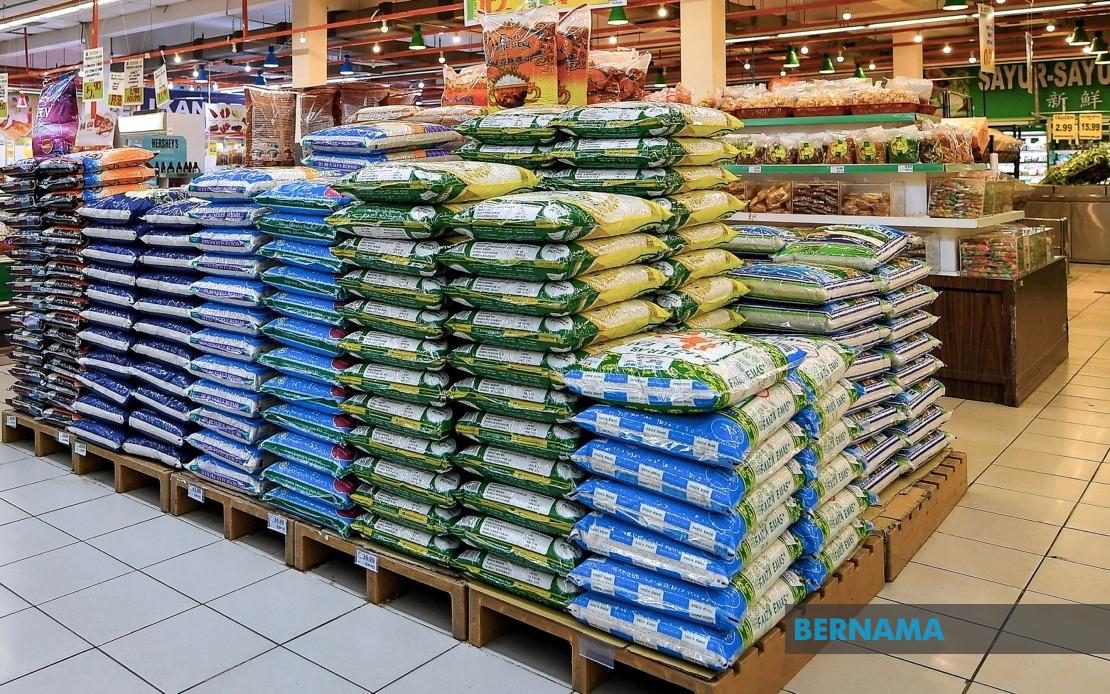
Malaysia's domestic staple food situation remains stable with adequate reserves, according to Economy Minister Akmal Nasrullah Mohd Nasir, who disclosed during a briefing in Kuala Lumpur that the country's rice buffer stock is positioned to satisfy consumer demand for the next six months. This assurance comes at a time when global commodity markets remain volatile, raising concerns among policymakers across the Southeast Asian region about potential disruptions to essential food supplies.
The minister's statement reflects the government's confidence in its food security strategy, particularly regarding rice—a critical staple for Malaysian households across all income levels. The availability of a half-year supply cushion provides a significant hedge against international price fluctuations and supply chain disruptions that have affected numerous nations in recent months. This buffer capacity positions Malaysia relatively well when compared to some regional peers facing tighter inventory situations.
Beyond reassurances about quantity, the government has made an explicit commitment to maintain the price of Local White Rice (BPT) without increases. This pledge carries particular significance given global inflationary pressures that have driven up food costs substantially in many countries. For Malaysian consumers already navigating higher living expenses across multiple categories, price stability in a fundamental food item offers meaningful relief and predictability in household budgeting.
The economic ministry framed these measures within a broader context of managing domestic welfare amid international uncertainties. Minister Akmal Nasrullah emphasised that protecting citizens from price shocks on basic goods represents a core government priority, particularly when external economic conditions remain unpredictable. This protective stance reflects recognition that sudden increases in rice costs could create significant hardship for lower-income families and pensioners with fixed incomes.
These developments emerged from a National Economic Action Council meeting chaired by Prime Minister Datuk Seri Anwar Ibrahim at Parliament, indicating that food security has claimed a position among the highest-level policy discussions. The inclusion of such matters in MTEN deliberations suggests that Malaysian leadership views maintaining stable supplies and prices as essential to overall economic stability and social cohesion. When fundamental commodities experience volatility, broader consumer confidence and economic performance can deteriorate.
Simultaneously, the government has implemented direct support for paddy farmers, the primary producers underpinning Malaysia's rice sector. Through the Paddy Farmers Plowing Incentive scheme, authorities distributed RM45.98 million to 118,908 farmers across Peninsular Malaysia. This initiative acknowledges the mounting pressures that agricultural producers face, particularly from climate variability and escalating production expenses including fertiliser, fuel, and labour costs.
The farmer support programme represents a two-fold policy approach: it attempts to sustain domestic production capacity while simultaneously helping growers maintain viable operations. By injecting capital into the farming community, the government aims to prevent abandonment of paddy cultivation, which would ultimately undermine the very supply stability it seeks to guarantee. Supporting farmers today translates to preserving the productive base necessary for tomorrow's food security.
Climate change poses an ongoing threat to Malaysia's agricultural sector, with irregular rainfall patterns and extreme weather events increasingly disrupting planting cycles and yields. The government's acknowledgment of climate-related pressures in its farmer assistance programme demonstrates awareness that physical buffer stocks alone cannot guarantee long-term food security without concurrent investment in agricultural resilience. Sustaining farmer incomes during difficult seasons helps retain experienced agricultural labour and expertise.
For Malaysian consumers and policymakers, the message from the economic ministry contains elements of both reassurance and underlying concern. The explicit need to announce supply adequacy and pledge price stability suggests that food security anxieties persist in the public consciousness, likely reflecting memories of global food crises and regional supply shocks in recent years. Malaysia's proactive communication about reserves and price controls may partly serve to calm any emerging consumer worries about availability.
The Southeast Asian region more broadly watches Malaysia's food security approach with interest, as the country serves as a reference point for agricultural policy in the area. Malaysia's combination of domestic production support, strategic reserves, and price management offers a model that other nations with limited arable land consider when designing their own strategies. However, Malaysia's relatively advanced institutional capacity and fiscal resources enable approaches that may not be easily replicated in less wealthy neighbouring economies.
Looking forward, the sustainability of Malaysia's rice security depends on several interrelated factors beyond current buffer stocks. Protecting farmer viability ensures continued domestic production, while maintaining price controls requires careful management of input costs and market conditions. Should international rice prices surge significantly, Malaysia's commitment to local price stability could strain government finances unless production efficiencies improve or input costs decline.

