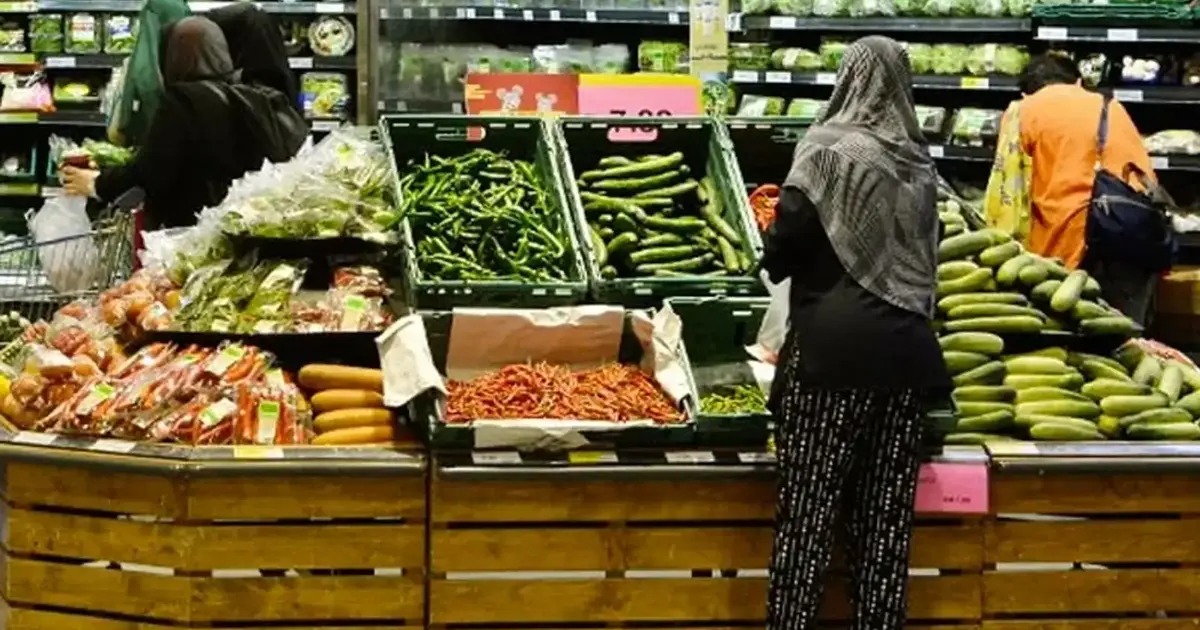
Deputy Prime Minister Ahmad Zahid Hamidi has indicated that Malaysia's SARA (Sumbangan Asas Rakyat) aid scheme could be extended to encompass vegetables and fruits, marking a potential expansion of one of the government's key cost-of-living interventions. The proposal is now in the planning stages and awaits formal consideration by the National Action Council on Cost of Living, the high-level coordinating body responsible for evaluating economic support measures.
The SARA programme, which has become a cornerstone of the government's approach to managing inflationary pressures, currently provides direct financial assistance to lower and middle-income households. By broadening its scope to include fresh produce, the administration aims to address affordability concerns that extend beyond the staple foodstuffs and essentials the scheme presently covers. The move reflects growing recognition that produce costs have outpaced general inflation in Malaysia, placing additional strain on household budgets across the country.
Fresh vegetables and fruits represent a substantial portion of Malaysian household food expenditure, yet unlike subsidised rice, cooking oil, and flour, they have remained largely exposed to market price fluctuations. Seasonal variations, import dependency, and supply chain challenges have contributed to volatile pricing that disproportionately affects lower-income families who spend a greater percentage of their earnings on food. An expansion targeting these categories could therefore provide meaningful relief in a sector where price volatility has been particularly pronounced in recent years.
The proposal's submission to the National Action Council signals serious governmental intent, though the path from consideration to implementation remains variable. The council, which includes multiple ministerial stakeholders and economic advisers, must evaluate the fiscal implications, administrative feasibility, and effectiveness of extending subsidies to perishable goods. Unlike shelf-stable items, vegetables and fruits present logistical complications that require careful management to prevent waste and ensure efficient distribution to intended beneficiaries.
Implementing such an expansion would demand significant coordination across supply chains and retail networks. The government would need to determine whether subsidies are applied at point-of-sale, through voucher systems, or via producer support mechanisms. Each approach carries distinct advantages and challenges in terms of cost control, accessibility, and operational complexity. The experience garnered from managing current SARA components would provide valuable lessons, though fresh produce's perishability introduces variables absent from subsidising non-perishables.
From an economic standpoint, broadening SARA to encompass vegetables and fruits could address nutritional equity concerns alongside affordability issues. Malaysia, like many developing nations experiencing rapid urbanisation, faces rising rates of non-communicable diseases linked to dietary deficiencies among lower-income populations. By making fresh produce more affordable, the government could simultaneously address public health objectives while supporting household nutrition. This multi-dimensional benefit enhances the policy's justification beyond simple cost-of-living relief.
The proposal also reflects broader regional trends in food security policy. Several Southeast Asian governments have explored targeted interventions addressing specific food categories amid persistent inflation and supply uncertainties. The regional context—characterised by shared challenges in agricultural productivity, import dependencies, and climate vulnerabilities—makes Malaysian policy experimentation relevant across the bloc. Successful implementation could serve as a model for neighbouring countries wrestling with similar pressures on household food budgets.
Financial sustainability remains a critical consideration for any programme expansion. The government must balance the social imperative to subsidise essential goods against macroeconomic constraints and competing fiscal priorities. The National Action Council's deliberations will likely scrutinise the budgetary requirements and explore whether targeted approaches—such as focusing subsidies on specific produce categories or income thresholds—could achieve policy objectives while managing costs. These trade-offs will fundamentally shape the council's recommendations.
From a farmer's perspective, subsidised vegetable and fruit purchases could provide market stabilisation benefits, potentially supporting agricultural incomes at a time when local producers face intense competition from imports and weather-related production challenges. The scheme might therefore create positive spillover effects for rural communities and food security, aligning agricultural support with consumer welfare objectives. However, the design must carefully balance producer incentives against consumer affordability to avoid unintended distortions.
The timing of this proposal coincides with sustained political focus on cost-of-living management, which remains consistently ranked among voter concerns in Malaysia. By actively exploring SARA expansion, the government demonstrates responsiveness to household pressures while signalling continued commitment to economic support measures. Whether the National Action Council ultimately recommends implementation will depend on detailed cost-benefit analyses and administrative feasibility assessments.
For Malaysian consumers, particularly those in middle and lower-income brackets, an expanded SARA programme could translate to tangible savings on produce purchases, which typically constitute 15-20 percent of food expenditure. The relief would be especially meaningful during periods of seasonal scarcity or supply disruptions that typically drive sharp price spikes. As the proposal progresses through formal consideration channels, implementation details will critically determine its real-world impact on household food security and nutritional outcomes.

