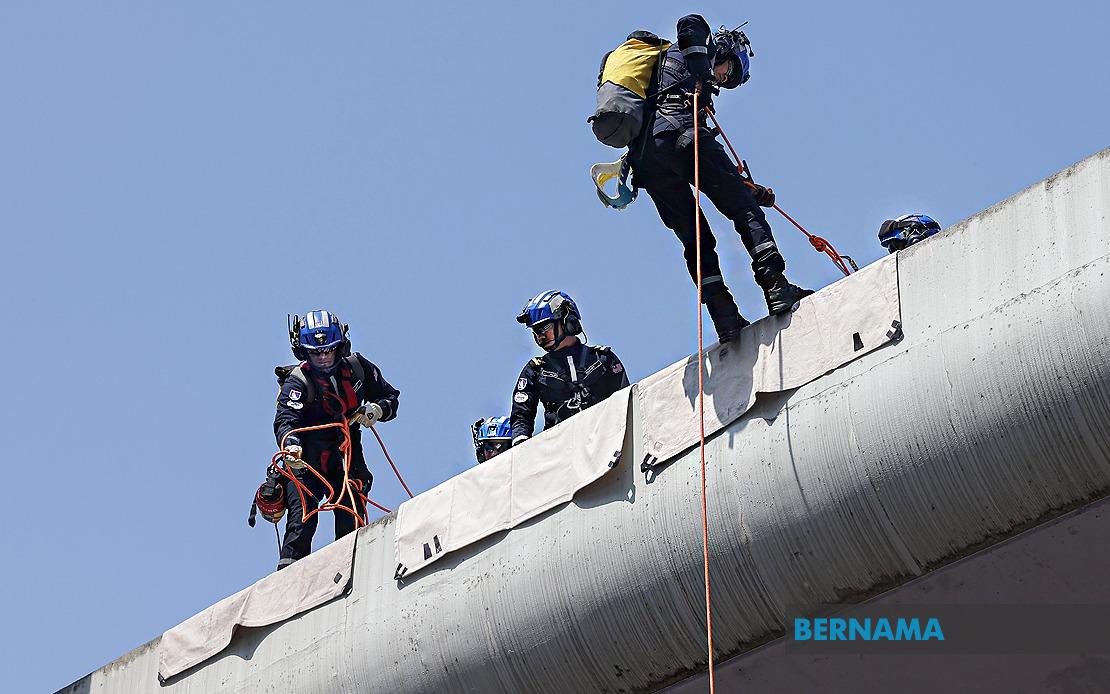
Malaysia has positioned its elite Special Search and Rescue Team (SMART) for potential deployment to Nepal following severe flooding that has impacted the Himalayan nation, though the mission awaits formal clearance from Kathmandu. The National Disaster Management Agency (NADMA) confirmed on August 30 that the specialised unit has been placed on high alert and can mobilise rapidly once Nepal's government formally requests Malaysian assistance and permits the team's entry. This positioning reflects Malaysia's established protocol for international disaster response, whereby technical teams remain prepared for immediate dispatch while diplomatic channels secure necessary permissions from host nations.
The readiness of SMART represents Malaysia's commitment to regional humanitarian cooperation and disaster management solidarity. NADMA emphasised that coordination for any potential deployment continues through the Foreign Ministry, ensuring that all aspects—from logistics to diplomatic clearance to on-ground coordination with Nepali authorities—proceed through proper channels. This multifaceted approach prevents complications that can arise when search and rescue operations lack official governmental sanction or adequate liaison with local authorities. The agency framed the standby status as emblematic of the nation's broader engagement with the international community during times of crisis, positioning Malaysia as a reliable partner in regional stability and humanitarian response.
The government has already signalled its intention to provide substantive assistance beyond personnel. Prime Minister Anwar Ibrahim announced that Malaysia will contribute US$1 million (approximately RM4.03 million) to support flood victims and underwrite post-disaster recovery initiatives in Nepal. This financial commitment complements the deployment of SMART and reflects a comprehensive approach to international disaster relief that combines technical expertise, manpower, and financial resources. The allocation demonstrates Malaysia's understanding that modern disaster response requires sustained support extending well beyond the immediate emergency phase into longer-term reconstruction and rehabilitation.
SMART's mandate encompasses multiple critical functions should deployment proceed. The team has been tasked not merely with conducting search and rescue operations alongside Nepali counterparts, but also with locating and repatriating Malaysian nationals affected by the flooding. This dual responsibility—international humanitarian assistance combined with consular protection for citizens abroad—represents a standard element of Malaysia's overseas emergency deployments. The team will additionally work to strengthen coordination through the Malaysian Embassy in Nepal, functioning as a liaison point to ensure affected Malaysians receive appropriate support and that diplomatic channels remain effective throughout the crisis response.
The logistical reality of maintaining deployment readiness during National Day celebrations illustrates the practical demands placed on SMART personnel. Team commander Senior Fire Superintendent I Abdul Manaf Che Isa noted that despite the SMART contingent's scheduled participation in Malaysia's 69th National Day parade on August 31, the unit continues intensive preparation for potential deployment at short notice. This demonstrates how Malaysia's emergency services operate under overlapping commitments, balancing participation in national commemorations with readiness to respond to international crises. The commander's remarks underscored the professional ethos within SMART—that patriotic obligations at home do not diminish capacity to serve international humanitarian needs.
Nepal's flooding represents precisely the type of large-scale disaster where Malaysian expertise has proven valuable in past regional emergencies. The country's sophisticated search and rescue infrastructure, developed through experience managing monsoon-related disasters and infrastructure crises, aligns well with the challenges presented by Himalayan flooding. SMART's personnel bring not only technical capabilities but also regional familiarity with similar geographical and climatic conditions, enhancing their effectiveness when deployed across South Asia.
The deployment framework reflects evolved thinking within ASEAN and broader Asian mechanisms regarding disaster response. Rather than ad-hoc reactions to crises, countries increasingly maintain specialised teams capable of rapid international deployment. Nepal's decision on whether to accept Malaysian assistance will likely depend on assessments of immediate needs, existing commitments from other nations, and logistical capacity to absorb and coordinate external teams. The standby status allows Malaysia to respond swiftly once Nepal signals receptiveness, preventing delays that occur when mobilisation only commences after formal requests arrive.
For Malaysian stakeholders, the deployment readiness carries broader significance. It demonstrates the operational capacity of NADMA and SMART to manage simultaneous domestic and international obligations. It also signals to Southeast Asian partners and Nepal that Malaysia prioritises regional security and welfare, positioning the nation as a constructive contributor to transnational challenges. In an era when climate change intensifies flooding across South Asia, such cooperative frameworks become increasingly important for collective resilience.
The coordination between NADMA, the Foreign Ministry, and SMART exemplifies interagency collaboration essential for effective international disaster response. Separate governmental entities must align timelines, communicate clearly, and execute decisions rapidly when emergencies unfold. Malaysia's track record in such deployments—including previous operations in Indonesia, the Philippines, and other regions—has refined these institutional practices, enabling relatively seamless activation when external countries extend invitations.
As Nepal assesses its immediate requirements and determines whether to accept external assistance, Malaysia's positioning as a ready partner provides options for Kathmandu's decision-makers. The financial contribution may proceed independently of team deployment, allowing Nepal flexibility in accepting assistance that suits its specific circumstances. However, the presence of a trained, equipped, standby SMART contingent offers Nepal a meaningful option should search and rescue operations benefit from Malaysian expertise and additional trained personnel working alongside Nepali authorities.

