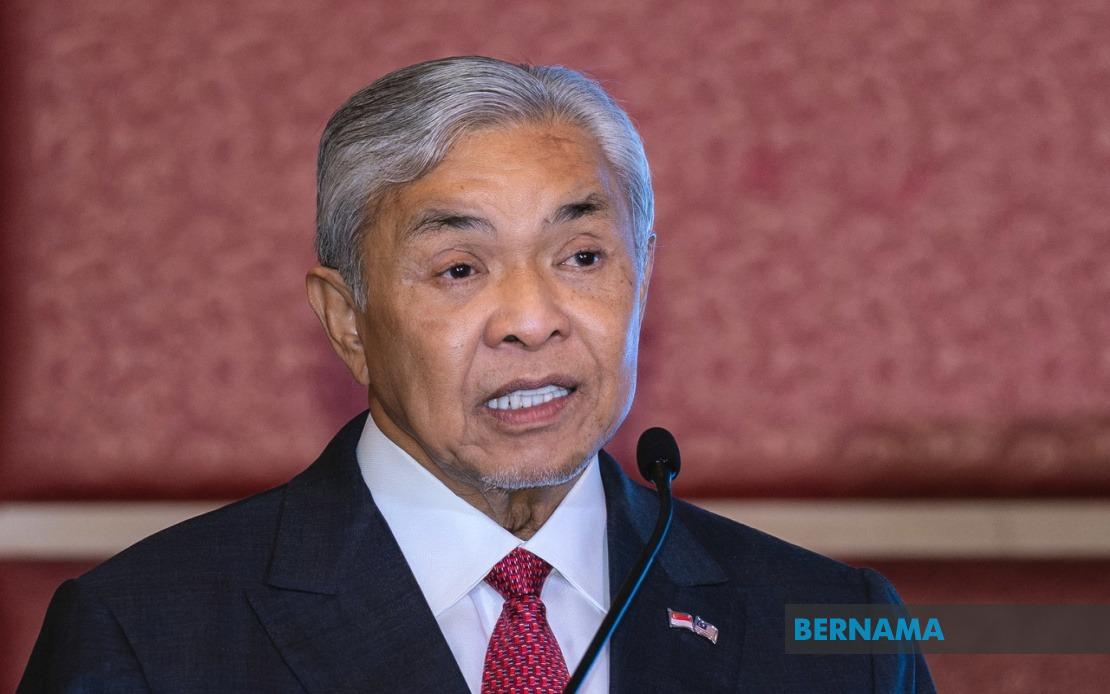
Malaysia's vocational education sector is undergoing a strategic overhaul designed to eliminate the traditional mismatch between classroom training and workplace readiness. Deputy Prime Minister Datuk Seri Dr Ahmad Zahid Hamidi announced on July 13 that the government is targeting 100 per cent employability for Technical and Vocational Education and Training graduates by ensuring companies extend job offers before students complete their programmes. This approach represents a fundamental shift in how Malaysia prepares its workforce for the demands of a rapidly evolving economy.
The mechanism driving this employment guarantee rests on sustained dialogue between TVET institutions and industry stakeholders during the curriculum design phase. Rather than waiting for graduates to enter a competitive job market, providers actively consult with employers to understand their talent needs and skill requirements. Ahmad Zahid, who also serves as Rural and Regional Development Minister and chairs the National TVET Council, explained that this collaborative framework eliminates three persistent problems that have historically plagued vocational graduates: course content that fails to align with industry practice, wage expectations that diverge from market realities, and the anxiety of completing training only to discover employment opportunities do not exist.
The strategy represents a critical policy response to Malaysia's persistent skills shortage and youth unemployment challenges. The nation has long struggled with a perception that TVET pathways lack prestige compared to university routes, yet simultaneously faces acute labour shortages in technical sectors. By guaranteeing employment outcomes, the government aims to rebuild confidence in vocational education and create a transparent career pipeline that appeals to school leavers seeking immediate economic security and clear progression routes.
Implementing this vision requires substantial institutional coordination. TVET providers must engage not merely with large multinational corporations but with small and medium enterprises that form the backbone of Malaysia's manufacturing, construction, and services sectors. The engagement must occur early enough in curriculum development to ensure programmes remain dynamic and responsive. Ahmad Zahid indicated that this process begins well before students enrol, positioning educational content as a collaborative product rather than an institution-determined offering.
The government is simultaneously pursuing advanced technical qualifications through what it terms High TVET courses, designed to position Malaysian vocational graduates at the premium end of the skills spectrum. These programmes target industries such as semiconductor manufacturing, renewable energy, digital infrastructure, and advanced logistics, where Malaysia seeks to establish competitive advantages and attract foreign direct investment. By combining accessibility with excellence, the strategy attempts to create a vocational ecosystem that serves both immediate employer demands and longer-term economic transformation objectives.
The initiative carries particular significance for rural Malaysia and less-developed regions, given that vocational pathways often provide the primary mechanism through which young people from economically disadvantaged areas access skilled employment and middle-class incomes. Ahmad Zahid's simultaneous portfolio as Rural and Regional Development Minister underscores the government's view that TVET serves as infrastructure for regional economic development, not merely as an education sector issue.
Malaysia's international standing in vocational skills was underscored during the announcement regarding the TVET@KKDW contingent preparing for WorldSkills Shanghai 2026. The nine competitors selected from MARA TVET, Universiti Kuala Lumpur and GIATMARA will represent Malaysia across specialisms including Fashion Technology, Cyber Security and Electronics. These individuals exemplify the apex of Malaysian vocational excellence and compete against similarly trained practitioners from over 60 nations. Ahmad Zahid appealed to the competitors to demonstrate the mental resilience and emotional fortitude required to excel internationally, implying that vocational prowess should command respect equivalent to academic achievement.
The two-month preparation window until the Shanghai competition highlights the intensity demanded of elite TVET competitors. Ahmad Zahid's emphasis on discipline, skill enhancement, and focused preparation reflects the rigorous standards underlying the government's employability guarantees. Only through consistent excellence at institutional level can the broader promise of 100 per cent employment become credible and sustainable.
For Southeast Asian observers, Malaysia's TVET employment strategy offers a blueprint for addressing the region's skills mismatch challenge. Southeast Asia faces a paradoxical crisis: unemployment and underemployment coexist alongside genuine shortages of trained technicians, engineers, and skilled tradespeople. Malaysia's approach of embedding industry partnership throughout curriculum design and delivery, rather than treating it as a peripheral concern, offers a replicable model that could reshape vocational outcomes across the region.
The success of this strategy depends critically on employer commitment extending beyond initial consultation to sustained partnership including mentorship, equipment provision, and genuine recruitment intent. If companies treat the engagement as performative or marginal to their actual hiring practices, the 100 per cent employment target risks becoming merely aspirational. Conversely, if implemented with integrity, this framework could fundamentally reposition vocational education from a stigmatized pathway into a genuinely attractive alternative to university study.
Malaysia's push toward universal TVET employment also reflects evolving attitudes toward skills equity and inclusive economic growth. The strategy implicitly acknowledges that not all young Malaysians should pursue university degrees, that technical expertise carries genuine value, and that the nation requires diverse talent pipelines feeding different sectors. By guaranteeing employment outcomes and positioning vocational study as a legitimate pathway to prosperous careers, the government addresses both economic necessity and social equity concerns that resonate throughout Malaysian society.

