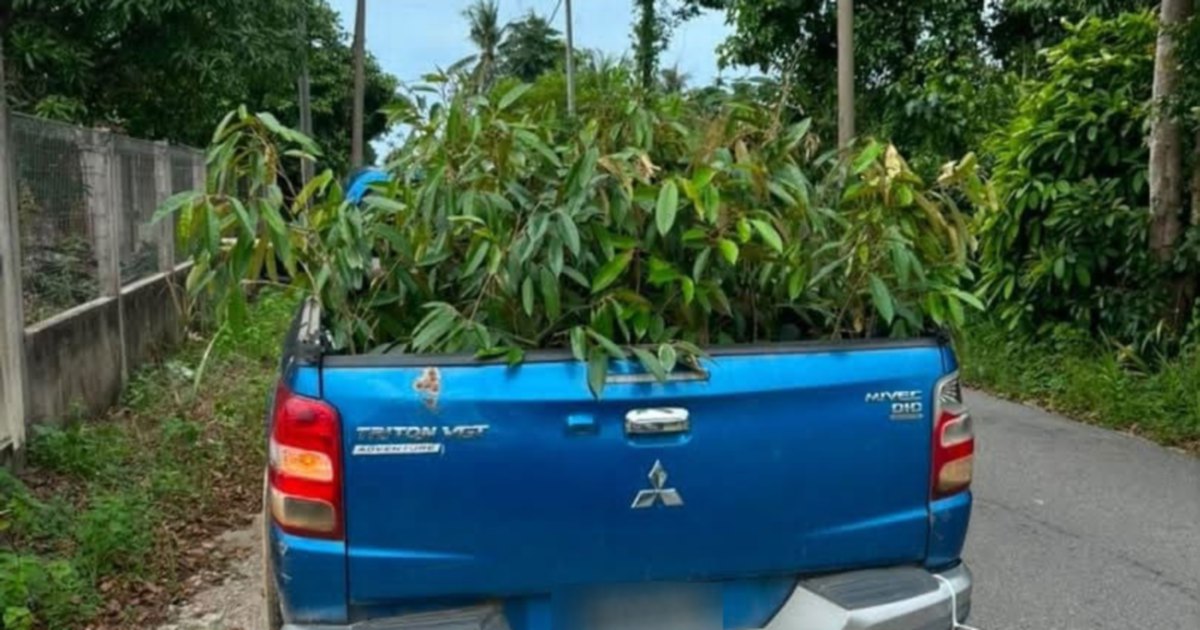
Authorities in Malaysia have apprehended a 55-year-old individual after discovering a shipment of 52 durian saplings that appear to have entered the country illegally from Thailand. The General Operations Force conducted the seizure during an operation in Tumpat, marking another instance of illicit horticultural smuggling along Malaysia's northern border regions.
The interception underscores persistent challenges faced by Malaysian customs and border enforcement agencies in tackling the movement of prohibited plant material across international boundaries. Durian saplings, particularly those of sought-after varieties, represent significant value in regional agricultural markets, making them attractive targets for smugglers seeking to circumvent official import channels and associated regulatory requirements.
Smuggling of durian propagation material has emerged as a recurring concern for agricultural authorities throughout Southeast Asia. The practice undermines domestic horticultural industries by introducing unregistered genetic material and bypassing quarantine protocols designed to protect local crops from pests, diseases, and unapproved agricultural practices. Malaysia's stringent biosecurity framework requires that all plant imports undergo thorough inspection and certification to ensure compliance with phytosanitary standards.
The northern state of Kelantan, where Tumpat is situated, has historically served as a focal point for cross-border agricultural trafficking due to its proximity to Thailand and established trade networks. The porous nature of certain border areas, combined with the high demand for premium durian varieties in both Malaysian and international markets, creates conditions conducive to smuggling operations. Previous enforcement actions in the region have identified similar patterns involving fruit saplings and other horticultural products.
Thai durian varieties command substantial prices in Malaysian markets, particularly among commercial orchardists and hobbyist cultivators seeking to expand their plantation portfolios. The economic incentive is substantial enough to encourage individuals to risk legal consequences by attempting to circumvent official import procedures. Such operations typically involve coordination across multiple parties, from growers or suppliers on the Thai side to distributors and end-buyers within Malaysia.
The arrest represents part of broader enforcement initiatives by Malaysian authorities to combat agricultural smuggling and protect the integrity of the country's horticultural sector. The General Operations Force, primarily responsible for border security and counter-smuggling operations, has intensified patrols and monitoring activities in known trafficking hotspots. These efforts aim to disrupt supply chains and impose consequences severe enough to deter potential offenders.
Beyond security concerns, uncontrolled importation of plant material poses significant agricultural risks. Smuggled saplings bypass mandatory health inspections that would identify potentially harmful pathogens, invasive species, or genetic vulnerabilities. Once established in Malaysian soil, such plants could inadvertently introduce diseases or pests that threaten existing orchards and agricultural productivity. The durian industry, a cornerstone of Malaysian agricultural exports and a source of substantial farmer income, remains particularly vulnerable to such incursions.
The regulatory framework governing plant imports in Malaysia is comprehensive, requiring exporters and importers to obtain permits from the Department of Agriculture and comply with phytosanitary certification standards. These procedures, while sometimes perceived as cumbersome, serve essential protective functions. Legitimate importers must satisfy documentation requirements, undergo inspection processes, and pay applicable duties and fees. Smugglers, by avoiding these channels, expose Malaysia to unquantified biological and economic risks.
The case reflects broader tensions within Southeast Asia surrounding agricultural trade and intellectual property. While durian cultivation has been a traditional activity across the region for centuries, commercial competition and market consolidation have increased the value of specific cultivars. Some countries have sought to protect local varieties or restrict the export of premium propagation material, creating opportunities for illicit trade networks to emerge.
Malaysian agricultural authorities have indicated that investigations into the circumstances surrounding this seizure remain ongoing. Investigators are likely examining the origins of the saplings, intended distribution points, and potential involvement of additional persons in the smuggling operation. Such inquiries frequently reveal larger organised networks rather than isolated incidents.
The enforcement action sends a clear message to prospective smugglers regarding the operational capacity and vigilance of Malaysian border authorities. Penalties for agricultural smuggling can include substantial fines and imprisonment, serving as meaningful deterrents for individuals considering such activities. However, enforcement alone cannot address the underlying economic drivers that make smuggling attractive to risk-taking entrepreneurs.
Longer-term solutions require cooperation between Malaysian and Thai authorities, enhanced intelligence sharing, and streamlined legitimate import procedures that reduce the comparative advantage smugglers enjoy. Regional harmonisation of agricultural standards and simplified certification processes could incentivise compliance among legitimate traders. Additionally, promoting domestic cultivation of desirable durian varieties addresses demand pressures that fuel smuggling markets.

