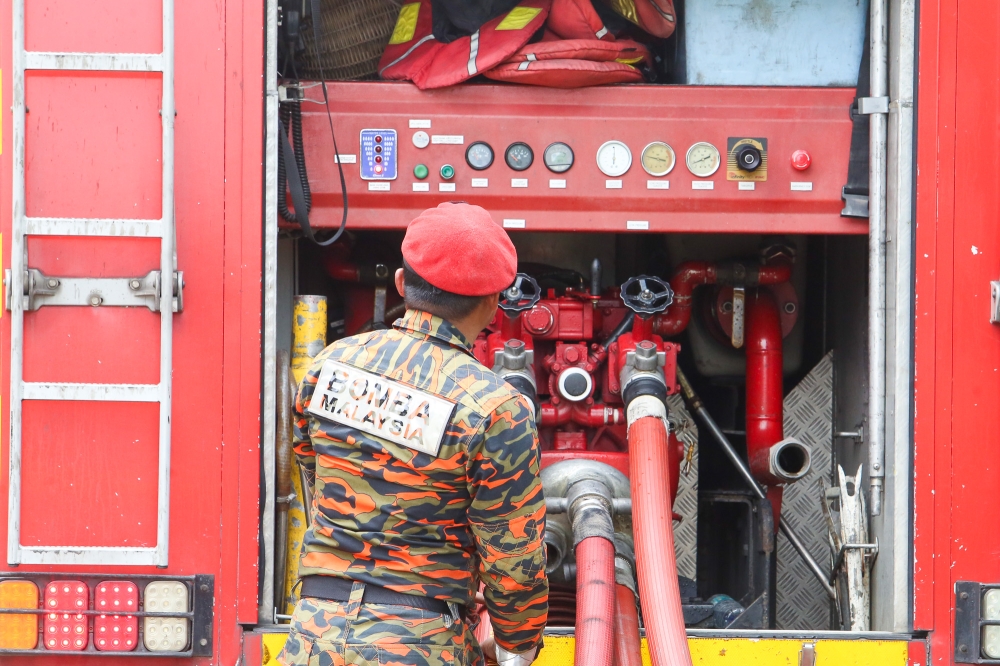
Police in Jitra have taken a man into custody following allegations that he deliberately set fire to his mother's house during an increasingly hostile family disagreement. The arrest comes as authorities investigate the circumstances surrounding the blaze, which occurred in Kampung Sunga, a residential community within the Jitra district of Kedah. The suspected arsonist remains in police hands as officers work to establish a complete timeline of events leading up to the alleged incident.
The case underscores the disturbing trend of domestic conflict escalating into destructive and potentially life-threatening acts within Malaysian households. What begins as a family quarrel in this instance culminated in alleged criminal action that endangered not only the victim but potentially neighbouring properties and residents in the vicinity. Investigators are treating the matter with particular seriousness given the serious nature of the alleged offence and its implications for public safety within residential neighbourhoods.
Family disputes have long served as a catalyst for violent incidents across Malaysia, though the transformation of verbal disagreement into arson remains a serious concern for law enforcement agencies throughout the nation. The detention of the suspect allows authorities to conduct a thorough interrogation and gather evidence relevant to the case. Police will be examining whether there existed a history of conflict between family members, any previous incidents of violence or aggression, and the specific trigger that allegedly provoked the fire-setting behaviour.
The arrest reflects the Jitra police contingent's commitment to responding swiftly to reports of serious criminal activity within their jurisdictional area. Response times and investigative efficiency remain critical factors in cases involving property damage and potential threats to human life. The early apprehension of the suspected perpetrator allows for the preservation of forensic evidence and witness statements while incidents remain fresh in the minds of those who observed or experienced them.
Domestic violence in Malaysia has emerged as a persistent social challenge, with numerous incidents annually involving family members resorting to physical aggression, property destruction, or worse. The progression from argumentative confrontation to deliberately destructive behaviour raises questions about conflict resolution mechanisms available to troubled families and the effectiveness of early intervention strategies. Community-based support systems and counselling services remain underutilised resources in many Malaysian communities, often leaving unresolved tensions to fester until they manifest in violent or destructive actions.
The alleged burning of residential property constitutes a serious criminal offence under Malaysian law, carrying potential penalties of imprisonment and substantial fines depending on circumstances and the severity of damage caused. Arson offences are treated with particular gravity by the judiciary given the inherent dangers posed to human life and public safety. The prosecution will need to establish that the suspect acted with deliberate intent or at minimum demonstrated reckless disregard for the consequences of his actions.
For residents of Kampung Sunga and surrounding communities, such incidents generate legitimate concerns about neighbourhood safety and the unpredictability of domestic crises that can spill over into the public sphere. Property owners become acutely aware of vulnerabilities to externally-caused damage, whilst neighbours worry about collateral risk from uncontrolled fires. The psychological impact on a community following such an incident often persists long after physical evidence of the fire disappears.
The investigation will likely involve detailed examination of the fire scene by forensic specialists, analysis of accelerant residues if present, examination of the suspect's clothing and possessions for evidence of involvement, and extensive witness interviews regarding the family dynamics and the events immediately preceding the alleged incident. Mobile phone records may establish the suspect's movements and communications around the critical time period. Financial records and insurance information will be reviewed to determine whether financial motivation played any role in the alleged act.
This case also highlights the importance of accessible mental health and family counselling services within communities like Jitra, where such services may be limited or underutilised. Early intervention when family conflicts emerge could prevent escalation into dangerous situations. Schools, community leaders, and healthcare providers all play potential roles in identifying families experiencing crisis and directing them toward appropriate support mechanisms before situations deteriorate catastrophically.
The Kedah police have not yet publicly disclosed full details regarding bail conditions, charges laid, or anticipated court proceedings. The suspect's remand status will determine how long police can continue detailed questioning before the case must proceed to court for formal charges. Legal representatives may seek bail pending trial if charges are filed, though the severity of the alleged offence may influence judicial decisions regarding release conditions or detention.
As investigations continue and the case moves through the criminal justice system, the incident serves as a sobering reminder that family disputes within Malaysian households can escalate rapidly into serious criminal matters with devastating consequences. Community awareness campaigns promoting conflict resolution, mental health support accessibility, and the serious legal ramifications of property destruction through arson might help prevent similar incidents in future.

