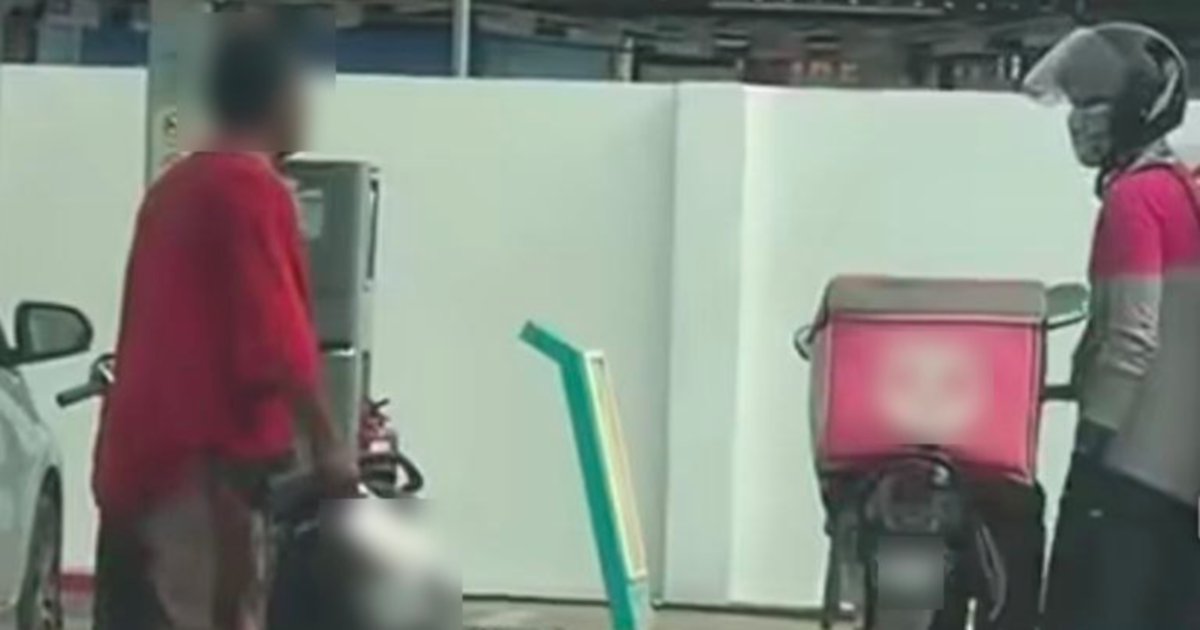
Authorities in Kuala Terengganu have detained a man following an aggressive incident at a petrol station on Jalan Pasir Panjang, where he allegedly threatened a ride-hailing driver with a meat cleaver. The arrest came shortly after the confrontation, which unfolded during afternoon hours and raised fresh concerns about safety risks faced by gig economy workers in the state.
The incident highlights the ongoing vulnerability of ride-hailing workers across Malaysia, who frequently encounter potentially volatile situations during their daily operations. Platform drivers operating in urban and semi-urban areas have become increasingly exposed to aggressive behaviour from members of the public, ranging from verbal altercations to physical threats. This particular case in Terengganu underscores how quickly routine transactions at public locations can escalate into dangerous confrontations.
The use of weapons such as a meat cleaver represents a particularly serious dimension of road rage and public aggression incidents. The presence of such implements transforms what might otherwise remain a heated exchange into a potentially lethal threat. For ride-hailing workers who operate independently without institutional support structures, the psychological impact of facing armed confrontation extends beyond the immediate incident, affecting their sense of security during subsequent shifts.
Kuala Terengganu, as the capital of Terengganu, regularly experiences varied crime and public disorder incidents. Petrol stations, being open to the public throughout the day and night, have emerged as common flashpoints for interpersonal conflicts. The settings combine transient populations, heightened emotions, and limited initial oversight, creating environments where minor disagreements can rapidly escalate without intervention.
The involvement of ride-hailing platforms introduces additional layers of complexity to such incidents. These workers lack traditional employment protections and are often scattered across urban landscapes without immediate managerial oversight. When confrontations occur, they frequently find themselves navigating both immediate personal safety concerns and subsequent reporting procedures with their respective platforms. Many drivers hesitate to report incidents, fearing platform deactivation or other employment-related consequences.
This arrest comes amid broader discussions in Malaysia regarding public safety and the adequacy of protective measures for vulnerable worker populations. Ride-hailing drivers have mobilised on several occasions to demand better security protocols from platforms and greater law enforcement support. The Kuala Terengganu incident provides fresh impetus to these ongoing conversations about how society can better safeguard workers in the gig economy.
Police response to the situation demonstrates the continued commitment of law enforcement to address public safety threats promptly. The rapid apprehension signals that authorities take weapon-brandishing incidents seriously, particularly when they occur in public spaces and involve intimidation of civilians. Such decisive action may serve as a deterrent to potential offenders considering similar aggressive behaviour.
The weapon involved—a meat cleaver—is particularly alarming given its accessibility and lethality. Unlike firearms, which are heavily regulated in Malaysia, kitchen implements can be obtained readily and legally, yet pose grave dangers when deployed with violent intent. The distinction between tools and weapons often becomes blurred in moments of confrontation, raising questions about how retailers and society more broadly might better manage access to implements capable of causing serious injury.
For the ride-hailing community operating across Southeast Asia, incidents like this resonate beyond Kuala Terengganu. Malaysia's gig economy workers frequently exchange information about dangerous locations, problematic passengers, and safety strategies through informal networks. News of aggressive behaviour at specific venues spreads rapidly, potentially causing workers to avoid certain areas or times, thereby reducing their earning opportunities and effectively creating de facto exclusion zones.
The petrol station location carries additional significance. These establishments serve as common meeting points and conflict zones precisely because they represent neutral spaces where people with different intentions converge regularly. The combination of fuel transactions, convenience shopping, and platform vehicle pickups creates complex dynamics where disagreements over parking, services, or unrelated frustrations can quickly target vulnerable service workers.
Moving forward, this case may prompt stakeholders—including ride-hailing platforms, law enforcement agencies, and petrol station operators—to explore enhanced safety measures. Some jurisdictions have implemented panic button systems, CCTV surveillance, and better-lit facilities. Whether Malaysian authorities and private sector partners will implement similar safeguards remains to be seen, but incidents like the Kuala Terengganu cleaver incident strengthen the case for preventative infrastructure.
The investigation into the circumstances surrounding this confrontation will likely reveal whether the incident stemmed from a prior dispute, random aggression, or miscommunication. Understanding the trigger becomes important for law enforcement and for developing contextual prevention strategies. In the interim, the arrest demonstrates that authorities will pursue individuals who brandish weapons and threaten members of the public, particularly those in vulnerable employment situations.

