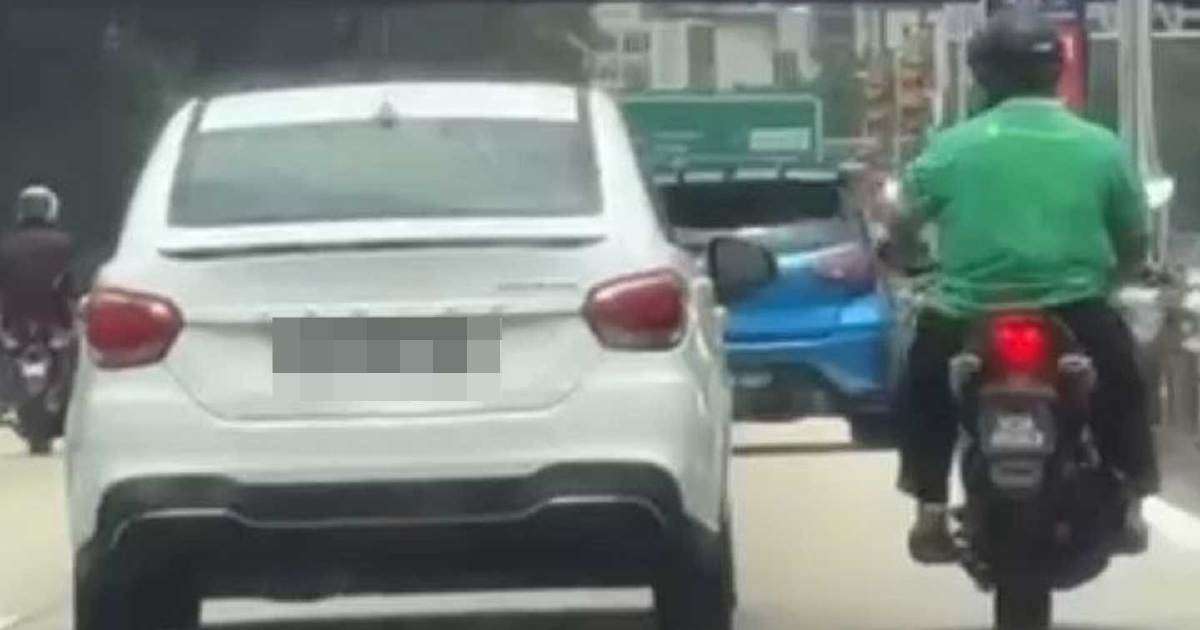
A technician in his 30s is now in police custody after allegedly hurling a stone at a motor vehicle during a heated road dispute on the Kuala Lumpur-Seremban Expressway at Sungai Besi yesterday. The arrest underscores the growing concern over aggressive driver behaviour on Malaysian highways, where tensions escalate rapidly and result in property damage and potential injury to motorists.
The incident occurred at a congested section of the expressway, one of the country's busiest transport corridors linking the capital to Negeri Sembilan. Sungai Besi is a frequent bottleneck during peak hours, where stop-and-go traffic creates environments conducive to road rage. The location's heavy usage by commuters, commercial vehicles, and long-distance travellers means such confrontations carry heightened risk to public safety on a well-travelled route.
Police responded swiftly to reports of the altercation, locating and apprehending the suspect. The arrest follows a pattern of increasingly reported road rage incidents along major expressways, where minor traffic disputes have escalated into dangerous confrontations involving weapon-like objects. The decision to file charges reflects authorities' determination to stamp out aggressive driving behaviour that endangers other road users.
Road safety officials have consistently warned that such conduct places multiple lives at risk, particularly when heavy vehicles and high-speed traffic are involved. A stone thrown from a moving vehicle can cause serious injury to occupants or shatter windscreens, potentially leading to loss of control. The Kuala Lumpur-Seremban corridor has been the site of numerous traffic incidents, prompting calls from public safety advocates for enhanced enforcement and driver education programmes.
The arrest carries broader implications for Malaysian highway safety discourse. Malaysia has witnessed an uptick in reported aggressive driving incidents over recent years, with social media often amplifying visibility of such confrontations. Law enforcement agencies view prosecuting perpetrators as essential deterrence, sending a message that road violence will not be tolerated regardless of provocation. The case demonstrates that impulsive actions during momentary frustration can result in criminal charges and legal consequences.
Drivers caught on expressways during peak congestion often cite frustration with traffic conditions and perceived discourtesy by other motorists as triggers for conflict. However, authorities emphasise that no traffic disagreement justifies property damage or risk to others. The suspect's occupation as a technician means his employment may face jeopardy pending the outcome of legal proceedings, illustrating how such incidents have ramifications extending beyond the roadside altercation.
The Kuala Lumpur-Seremban Expressway serves as a critical economic artery, connecting commercial hubs and residential areas. Maintenance of safe, orderly traffic flow benefits everyone using the route, from daily commuters to logistics operators. Incidents that disrupt flow or injure participants create secondary effects, including delays, potential accidents, and emergency service mobilisation. Public safety on this corridor requires collective responsibility from all users.
Highway patrols along this expressway have intensified efforts to monitor and respond to aggressive driving behaviour. Officers have noted that early intervention during road disputes can prevent escalation. However, determining when a situation becomes criminal versus requiring civil resolution remains a challenge for law enforcement. Throwing an object at another vehicle clearly crosses into criminal conduct, justifying arrest and prosecution.
Malaysia's traffic laws prescribe penalties for property damage and aggressive conduct on public roads. Convictions can result in fines, driving licence suspension, and imprisonment depending on severity and whether injury occurred. The legal framework aims to incentivise safe, responsible highway behaviour. Public awareness of such consequences may encourage drivers to manage frustration and avoid confrontation, though compliance remains inconsistent.
The incident reflects a need for ongoing campaigns promoting emotional regulation and conflict de-escalation among motorists. Defensive driving courses and road safety education increasingly emphasise these aspects alongside technical driving skills. Authorities and road safety organisations recognise that preventing incidents requires cultural shifts in how drivers approach highway interactions, particularly during stressful conditions caused by congestion.

