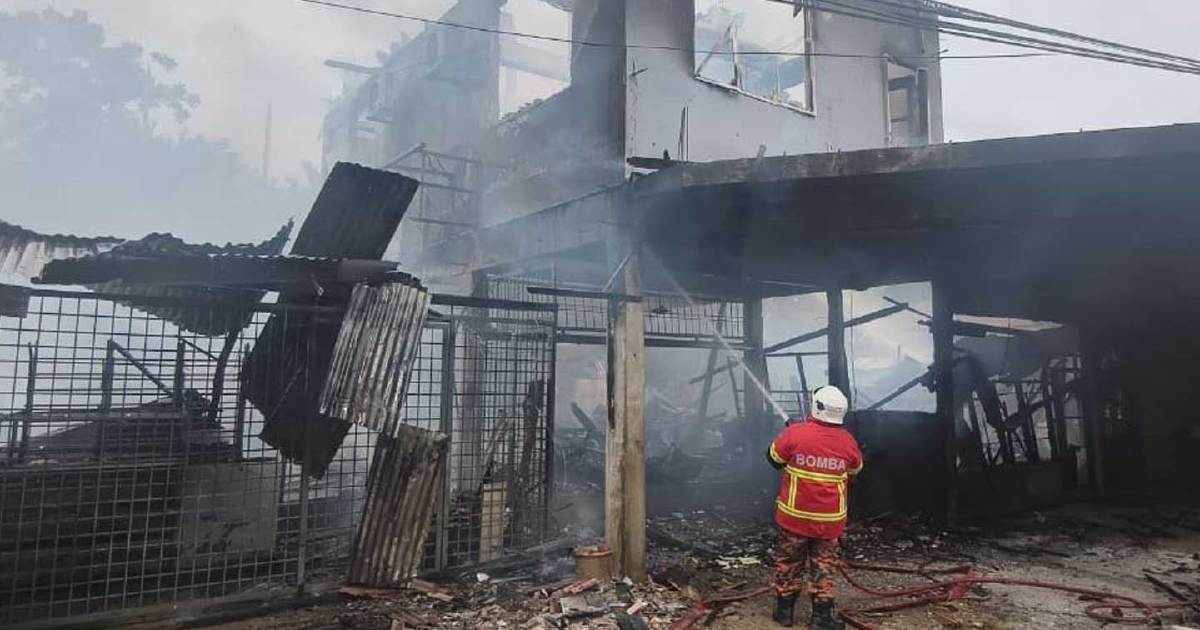
A 36-year-old resident of Kampung Sungai Baru in Jitra faces serious charges after being accused of intentionally torching his mother's residence. The suspect was remanded for a period of five days to facilitate ongoing police investigations into the incident, marking the initial phase of what authorities describe as a deliberate act of arson affecting a family property.
The remand order, granted by the local magistrate's court, allows investigating officers to conduct intensive questioning and gather additional evidence related to the alleged arson. During this detention period, police will seek to establish a comprehensive timeline of events leading up to the fire, examine potential motives, and determine whether accomplices were involved in the incident.
Arson cases involving family members often attract heightened scrutiny from law enforcement agencies across Malaysia, particularly when they involve residential properties and place lives at immediate risk. Investigators must carefully reconstruct the circumstances surrounding the fire, including how it was initiated, whether accelerants were used, and the extent of damage caused to the property and surrounding structures. Such investigations require cooperation between fire department officials and criminal investigators to establish conclusive evidence.
The incident highlights ongoing concerns about domestic property crimes and arson-related offences within residential communities in Kedah. Kampung Sungai Baru, like many rural settlements in the state, comprises family-oriented neighbourhoods where such dramatic incidents send shockwaves through close-knit social networks and raise alarm among residents about personal safety and property security.
Family-related violence and destruction of property represent complex social challenges that authorities must approach carefully. Investigators will need to explore the background relationship between the suspect and his mother, including any history of disputes, financial grievances, mental health concerns, or substance abuse issues that may have contributed to the alleged criminal behaviour. Understanding the motivational factors is crucial for both the investigation and potential prosecution.
Under Malaysian criminal law, deliberately setting fire to property can attract charges under the Penal Code related to mischief by fire. Depending on the severity of damage, loss of life risk, and circumstances, perpetrators may face substantial jail sentences and significant financial penalties. Courts typically impose harsh penalties for arson offences given the serious danger they pose to life and destruction of property.
The five-day remand period is standard procedure in Malaysian criminal investigations involving serious offences. During this time, investigators can apply for extension of the remand if they require additional days to complete their inquiries, subject to court approval. This procedural framework balances the rights of accused individuals with the legitimate investigative needs of law enforcement authorities.
Family dynamics and domestic relationships often remain opaque to outside observers, making cases involving intra-family violence particularly challenging to investigate and prosecute. The alleged perpetrator's arrest represents one element of a larger investigative process that will ultimately determine the facts and direct evidence pertaining to the fire. Police will interview potential witnesses, including neighbours who may have observed suspicious activity, family members with knowledge of ongoing disputes, and emergency responders who attended the scene.
Arson investigations in rural Kedah communities frequently involve collaboration between the Kedah Royal Malaysian Police contingent and the Fire and Rescue Department. Forensic examination of the burnt property can reveal crucial information about the origin point of the fire, the intensity and direction of spread, and the materials that fuelled the blaze. Such technical evidence often proves decisive in establishing whether the fire was accidental or deliberately set.
The remand development comes as Malaysian authorities continue addressing seasonal increases in fire-related incidents and property crimes. Public awareness campaigns emphasizing fire prevention and community reporting of suspicious activity complement law enforcement efforts to reduce arson and related offences. Residents in residential communities are increasingly encouraged to report concerns about unsafe behaviour or suspicious individuals to authorities.
Once the remand period concludes, police will provide their investigative findings to the Public Prosecutor's office, which will determine whether sufficient evidence exists to proceed with formal charges. The suspect may then be released on bail pending trial, held in continued remand, or formally charged in court depending on the strength of evidence and other case factors. Legal representation and access to the judicial system remain available to the accused throughout this process.
The case underscores the unpredictable nature of domestic incidents that sometimes escalate to serious criminal behaviour. Family intervention services, mental health support systems, and community mediation mechanisms represent complementary approaches that authorities and community organizations attempt to deploy to prevent such tragic situations. Whether such preventive mechanisms were available or accessible in this instance remains unclear from initial reports.

