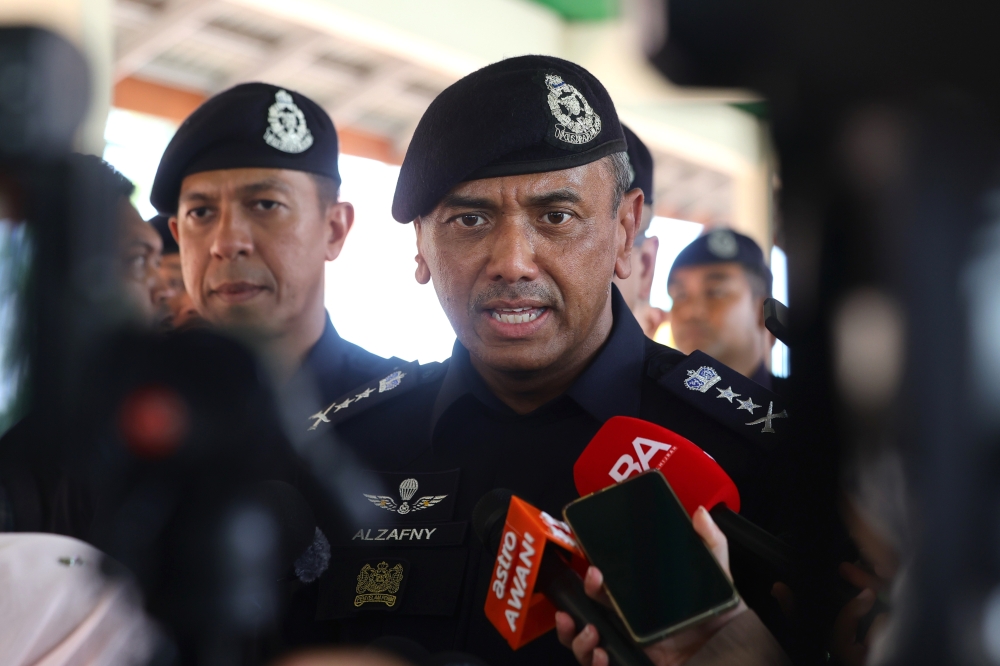
Police in Kuala Lumpur have secured a two-day remand order for a 52-year-old man in connection with an investigation into alleged insulting remarks made against the Negri Sembilan royal institution. The remand, approved on July 21, will allow authorities to question the suspect and gather additional evidence as they probe the circumstances surrounding the case, which centres on social media activity.
The investigation touches on a perennially sensitive area in Malaysian law and society. Comments, whether online or offline, that are deemed insulting or seditious towards the monarchy face serious legal consequences. Malaysia's legal framework includes provisions that protect the dignity and reputation of the country's royal institutions, reflecting the constitutional position accorded to the institution of the sultanate across the federation's states.
The Negri Sembilan royal institution, one of Malaysia's most prominent sultanates, commands particular cultural and constitutional significance within the state. As one of the nine Malay rulers whose sultans form the Conference of Rulers—a body with considerable influence over matters of religion, custom, and constitutionalism—any perceived affront to the institution is typically treated with urgency by law enforcement.
Social media has become an increasingly common vector for legal scrutiny in Malaysia, particularly when it comes to statements regarding the monarchy. The rise of online discourse has presented both opportunities and challenges for authorities, who must balance public discourse rights with constitutional protections. Numerous cases in recent years have involved individuals charged or investigated for posts, comments, and shares on platforms including Facebook, Twitter, and WhatsApp that authorities determined crossed into insulting or seditious territory.
The two-day remand period represents a standard investigative window that allows police to conduct interviews with the suspect, examine digital evidence including screenshots and metadata from social media platforms, and coordinate with other relevant agencies if needed. During remand, investigators typically seek to establish the identity of the person who authored the remarks, the nature and context of the statements, and whether they meet the threshold for legal action under applicable statutes.
Malaysia's legal arsenal for addressing such allegations includes provisions under the Sedition Act, the Communications and Multimedia Act, and various clauses within the Penal Code. Each carries different thresholds and penalties, ranging from fines to imprisonment. The specific charge will depend on prosecutorial assessment of whether the remarks constitute sedition, criminal defamation, or infractions under the digital communications framework.
From a regional perspective, Malaysia's approach reflects broader Southeast Asian concerns about protecting state institutions. However, the country's approach to online speech remains subject to international scrutiny, with rights organisations periodically raising questions about the breadth of laws constraining digital expression. These tensions underscore the ongoing debate about where to draw lines between legitimate institutional protection and restrictions on free expression.
The timing of such investigations often generates discussion among civil society observers who track press freedom and expression issues. While authorities argue these measures preserve national stability and institutional respect, critics contend that expansive interpretation of insulting language provisions can chill legitimate political commentary and criticism. The distinction between protected speech and prosecutable offences remains contested, particularly when political motivations or partisan interests may influence enforcement.
For Negri Sembilan specifically, the investigation reflects the state government's and royal institution's vigilance regarding their public image and authority. The state, located in the Klang Valley region and serving as a significant administrative centre, has traditionally been responsive to matters affecting its sovereign and administrative dignity.
The remand outcome will likely determine whether the man faces formal charges. If authorities conclude the evidence supports prosecution, he could be charged in court with one or more offences depending on prosecutorial strategy. Conversely, if investigations determine insufficient evidence exists or statements fall within protected speech categories, authorities may release him pending further developments.
This case arrives amid broader public discourse in Malaysia regarding the intersection of digital rights, institutional respect, and legal accountability. As social media continues dominating public communication, similar cases will likely multiply, challenging courts and enforcement agencies to refine interpretations of what constitutes genuinely insulting conduct versus permissible criticism or commentary.

