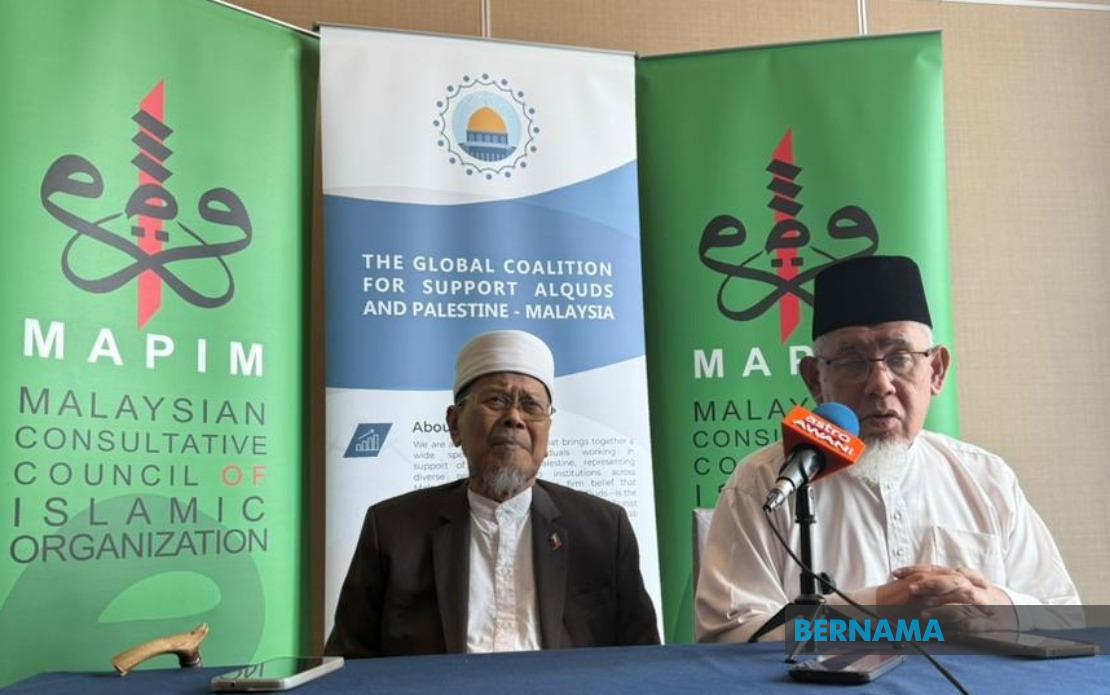
The Malaysian Consultative Council of Islamic Organisations has announced plans to mobilise a humanitarian response to the catastrophic flooding that recently devastated Nepal, with an initial deployment of volunteers scheduled for early September. MAPIM president Mohd Azmi Abdul Hamid confirmed during a press briefing in Ipoh that the organisation intends to launch its assistance effort on September 5, focusing on communities ravaged by the severe natural disaster that struck the Himalayan nation days earlier.
The August 26 disaster proved to be one of Nepal's most severe environmental calamities in recent memory, triggered when an avalanche collapsed into mountain valleys and generated a torrential deluge of water, rock, ice and sediment through critical river systems. This destructive wall of debris cascaded down the slopes of the Himalayas, engulfing settlements and destroying infrastructure situated along the main trekking corridor that links Kathmandu with Lhasa in Tibet. Official records indicate at least 469 people perished in the immediate aftermath, whilst more than 1,400 individuals remain unaccounted for, including approximately 540 foreign nationals caught in the affected zones.
The disaster has prompted urgent concern in Malaysia, where the Ministry of Foreign Affairs has been tracking citizens affected by the calamity. As of late August 27, authorities identified 57 Malaysian nationals whose whereabouts remain unknown following the flooding, based on missing person reports filed by family members, colleagues and employers. This significant number of untraced citizens has intensified Malaysia's commitment to contributing meaningful humanitarian assistance to the relief efforts already underway in the region.
MAPIM's response strategy emphasises a measured and coordinated approach to maximising the effectiveness of aid delivery. The initial phase will involve a team of four trained MAPIM volunteers who will travel to Nepal to conduct comprehensive assessments of the humanitarian requirements across affected communities. Rather than operating in isolation, MAPIM intends to establish partnerships with multiple local and international humanitarian entities to create a more robust and comprehensive assistance network. This collaborative framework includes coordination with MyCare, a well-established Malaysian humanitarian organisation, alongside two locally-based Nepalese NGOs that possess on-ground expertise and community connections.
During discussions with Nepal's diplomatic representatives in Malaysia, MAPIM has sought to understand the immediate priorities facing disaster-affected populations. Medical supplies have emerged as the most urgent requirement, reflecting the significant health challenges confronting survivors in the aftermath of such a large-scale disaster. Beyond emergency medical intervention, MAPIM has identified the distribution of basic food packages as a critical secondary priority, addressing the substantial logistical challenges of feeding displaced and isolated communities in the mountainous terrain affected by the flooding.
The decision to expand MAPIM's mission through partnerships with additional NGOs reflects a sophisticated understanding of disaster response logistics. Local organisations operating in Nepal already possess established supply chains, community relationships and knowledge of regional geography that international responders must develop from scratch. By collaborating with these entities, MAPIM can accelerate the delivery of assistance whilst ensuring that aid reaches the most vulnerable populations efficiently. This approach aligns with international best practices in humanitarian emergency response, which emphasise the importance of local coordination mechanisms.
Mohd Azmi indicated that formal details concerning the special mission will be formally presented to Prime Minister Datuk Seri Anwar Ibrahim, positioning the initiative as representing the broader commitment of the Malaysian nation to supporting Nepal during its hour of crisis. The framing of this assistance as expressing collective Malaysian solidarity demonstrates how humanitarian response can reinforce diplomatic relationships and regional cooperation. Southeast Asian nations have historically maintained strong ties with Nepal, and this gesture affirms those connections whilst demonstrating Malaysia's commitment to the principle of mutual assistance during transnational emergencies.
The deployment arrives at a critical juncture in Nepal's disaster response cycle, after initial emergency rescue operations have concluded but when longer-term recovery and rehabilitation needs are beginning to crystallise. Survivors in remote communities require sustained medical attention, particularly for those suffering injuries sustained during the initial deluge or subsequent complications from exposure and unsanitary conditions. Food security presents another pressing concern, as the flooding has disrupted supply routes and damaged storage facilities that normally provision mountain communities.
MAPIM's humanitarian initiative reflects broader patterns of Malaysian civil society engagement in international crises. Malaysian NGOs and faith-based organisations have increasingly positioned themselves as active contributors to regional stability and humanitarian wellbeing, particularly following disasters that affect neighbouring nations. This trajectory underscores how Malaysian organisations now operate as significant stakeholders in Southeast Asian humanitarian architecture, complementing official government aid programmes through grassroots mobilisation and rapid-response capacity.
The mission also carries symbolic significance within Malaysia's domestic context, signalling that diverse religious and cultural communities within the nation remain committed to universal humanitarian principles. By mobilising resources and expertise specifically for non-Muslim populations in Nepal, MAPIM reinforces narratives of interfaith cooperation and transcends religious boundaries in pursuit of shared humanitarian objectives. Such gestures contribute to positive international perceptions of Malaysia whilst demonstrating that humanitarian concerns supersede sectarian considerations.
The success of this initiative will likely depend on the adaptability and resilience of the volunteer teams deployed, given the challenging terrain and logistical constraints inherent to mountain rescue operations in Nepal. The coordination between MAPIM, international partners and local Nepalese organisations will be essential for translating humanitarian intentions into tangible relief for affected populations. As Nepal embarks upon the long journey of recovery, Malaysian contributions to this multilateral effort will constitute an important element of the sustained international support required to rebuild lives and livelihoods in the affected communities.

