The Malaysian government is poised to introduce sweeping institutional reforms to Majlis Amanah Rakyat (MARA), the statutory body tasked with advancing Malay and Bumiputera interests. The proposed MARA Bill 2026, now in advanced legislative stages, is expected to reach Parliament in November following Cabinet policy approval. The measure represents a fundamental overhaul of the organisation's legal foundation, which has remained largely unchanged since the original MARA Act of 1966.
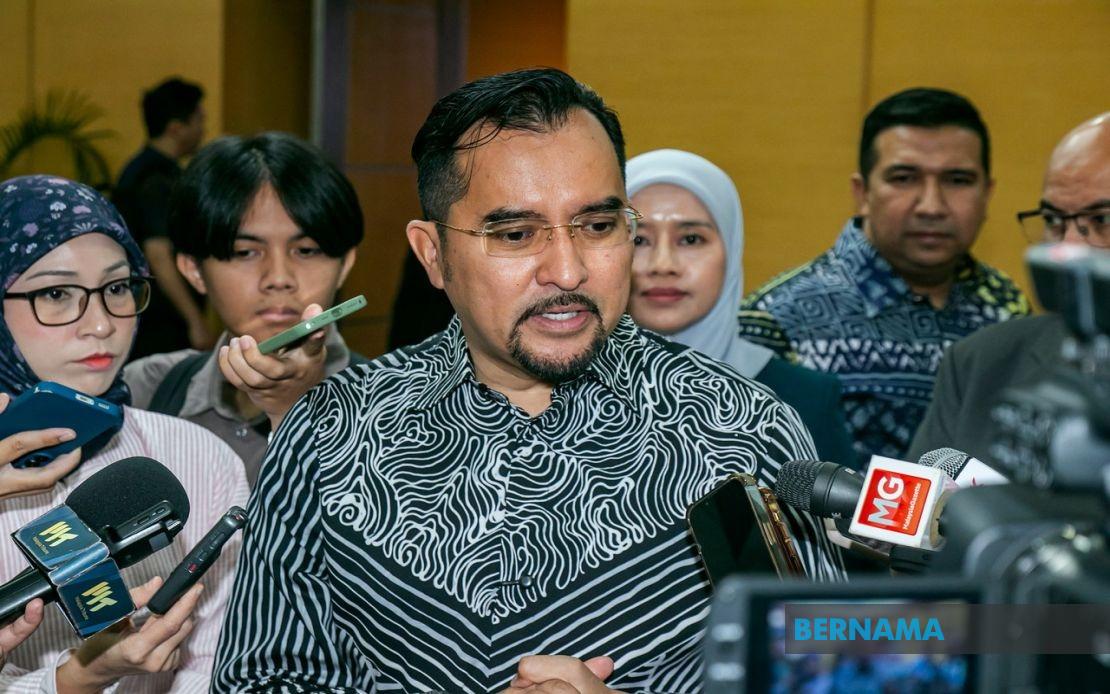
Calling for updated governance standards, MARA chairman Datuk Asyraf Wajdi Dusuki outlined the Bill's core objectives during a recent address at the MARA Sponsored Pre-Departure programme in Kuala Lumpur. He emphasised that roughly 80 per cent of the proposed legislation focuses on establishing robust governance frameworks aligned with international best practices and established corporate standards. The thrust of these reforms is to create institutional safeguards that transcend individual leadership and prevent the administrative missteps that have plagued the organisation in recent years.
A central feature of the Bill involves substantially diminishing the chairman's executive authority. Under the current 1966 Act, the chairman enjoys considerable administrative discretion that the new legislation will curtail. The revised framework restricts the chairman's role to board chairing and policy determination, eliminating direct involvement in day-to-day administrative decisions. This structural change reflects a deliberate move toward distributing power across institutional bodies rather than concentrating decision-making authority in a single executive position—a practice increasingly recognised as vulnerable to abuse and institutional capture.
Ayraf Wajdi framed this power redistribution not as a personal constraint but as a legacy-building initiative for the institution itself. He acknowledged that his tenure is temporary and temporary and that his primary commitment is establishing durable systems resistant to corruption, misappropriation, and governance failures. The chairman stressed that strong institutional architecture, rather than reliance on individual integrity, provides the most reliable defence against malfeasance and operational irregularities that could undermine MARA's fundamental mission of protecting Malay and Bumiputera economic interests.
The impetus for legislative revision stems from documented governance shortcomings within MARA. Earlier statements from Asyraf Wajdi identified specific vulnerabilities the Bill aims to address: instances of power abuse, governance weaknesses, unauthorised fund transfers, procedural irregularities, financial leakages, and waste. These challenges, accumulated over years of operational experience, have exposed the inadequacy of 1960s-era governance provisions for managing a modern statutory body operating in today's complex regulatory environment. The Bill's drafting process therefore concentrated on eliminating pathways through which such institutional failures could occur.
The decision to modernise MARA's legislative framework reflects broader recognition that institutional law must evolve with operational realities and governance understanding. The chairman noted that practices appropriate in the 1960s proved unsuitable by the 1970s and require further refinement for contemporary standards. This evolutionary perspective acknowledges that governance best practices themselves continue developing, suggesting that the 2026 Bill, while comprehensive, should not be viewed as a permanent solution but rather as a necessary update anticipating future refinements.
For Malaysian readers and observers of public administration, the MARA Bill 2026 carries significance beyond a single agency's internal restructuring. MARA occupies a central position in Malaysian policy implementation, administering programmes affecting education, entrepreneurship development, and economic participation across Malay and Bumiputera communities nationwide. Governance failures within MARA directly compromise programme effectiveness and erode public confidence in institution-building efforts. The proposed reforms therefore represent an investment in operational integrity across sectors dependent on MARA's administrative reliability.
The November tabling timeline allows Parliament adequate opportunity to scrutinise the Bill during the current legislative session. Parliamentary debate will likely examine whether the proposed power restrictions strike appropriate balance between ensuring accountability and preserving executive functionality necessary for effective agency management. Legislators may also probe provisions addressing financial controls, procurement transparency, and board composition to assess whether the governance framework sufficiently prevents the irregularities that prompted the revision.
Regionally, Malaysia's experience modernising MARA's governance structures offers instructive lessons for other Southeast Asian governments overseeing statutory bodies and development agencies serving specific demographic communities. The Bill's emphasis on international standards and systematic power constraints reflects broader evolution in public sector governance across the region, where transparency and institutional accountability have become prerequisites for sustained development effectiveness and public legitimacy.
The Cabinet's policy approval for the Bill indicates political commitment to the reform agenda, suggesting parliamentary passage remains likely following November introduction. However, the legislative journey ahead will test whether the proposed framework adequately addresses identified governance vulnerabilities whilst maintaining institutional capacity to fulfill MARA's developmental mandate. The success of these reforms will ultimately be measured by whether strengthened governance translates into more effective programme delivery and enhanced protection of the communities MARA exists to serve.

