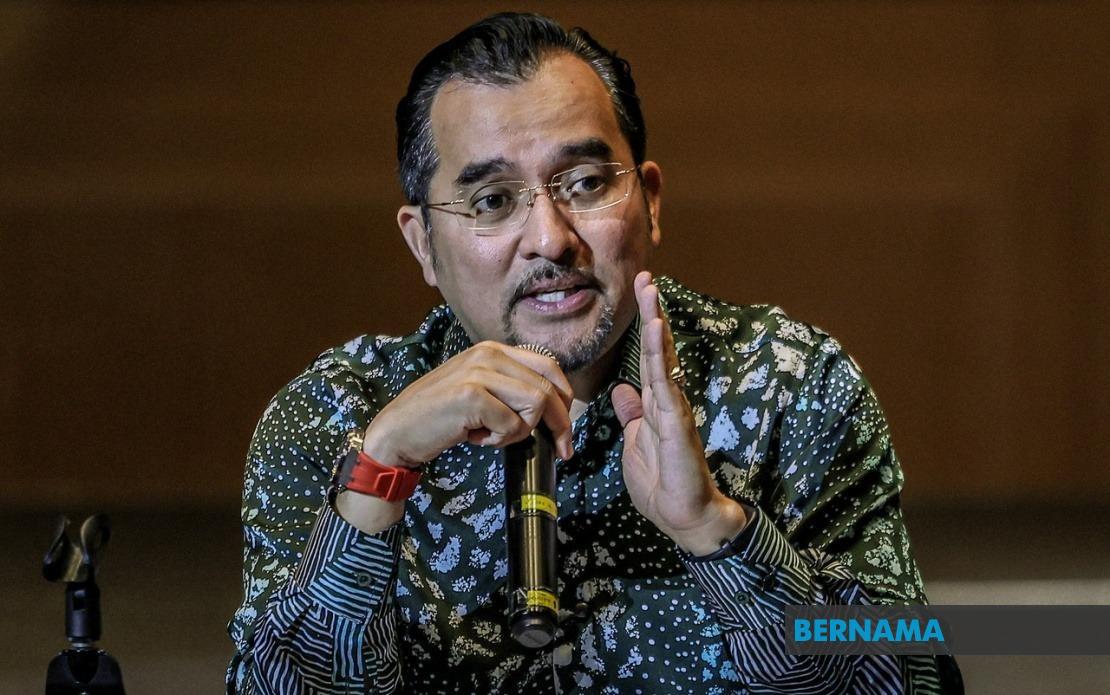
The Majlis Amanah Rakyat (MARA) is preparing sweeping institutional reforms through a new legislative framework designed to address longstanding governance vulnerabilities that have plagued the Bumiputera development agency. According to MARA chairman Datuk Dr Asyraf Wajdi Dusuki, the proposed MARA Bill 2026 represents a comprehensive overhaul of how the organisation operates, with Cabinet approval already secured in principle and parliamentary presentation anticipated before year-end. The emphasis on structural transformation reflects a broader recognition that the institution requires modernisation to fulfil its mandate of protecting and advancing Malay and Bumiputera interests in an increasingly complex economic landscape.
The legislative package concentrates substantially on governance architecture, with approximately 80 per cent of its provisions addressing corporate governance matters. This deliberate prioritisation stems from repeated instances of institutional vulnerability, including documented cases of power abuse, structural weaknesses in decision-making, suspected misappropriation of resources, operational irregularities, and financial leakages. Each of these failures has exposed MARA to significant reputational and financial risk whilst undermining public confidence in its custodianship of development resources intended to support disadvantaged communities. The new Bill therefore represents an attempt to rebuild trust through transparent, accountable systems that meet contemporary standards of institutional integrity.
A central element of the reform package involves fundamentally recalibrating the chairman's role and authority. Under the existing MARA Act 1966, the chairman position concentrates considerable power, encompassing not only Board leadership but also significant involvement in management decision-making. The new legislation will restrict the chairman's functions to Board chairmanship and policy determination, severing the formal connection to operational management currently embedded in the older Act. This separation addresses a critical governance principle recognised globally: preventing excessive concentration of authority in a single individual. By establishing clearer boundaries between the Board's strategic oversight function and management's operational execution, the Bill aims to create natural checks against unilateral decision-making that has historically enabled misconduct.
The proposed statute also introduces substantive measures to strengthen Board composition and performance. New provisions will mandate the application of 'fit and proper' criteria when selecting Board members, ensuring that appointed individuals possess the requisite competence, integrity, and independence to discharge fiduciary duties effectively. Additionally, the Bill will limit Board members' tenure, preventing indefinite service arrangements that can entrench particular individuals and perspectives. These provisions mirror best practices observed in well-governed institutions across the region and internationally, recognising that Board effectiveness depends not merely on individual competence but on the diversity, independence, and regular renewal that longer-term appointments can erode.
Governance architecture will be substantially strengthened through the establishment of mandatory Board committees with specific mandates. The proposed legislation provides for the creation of an Audit Committee, Investment Committee, Finance and Governance Committee, and Risk Committee, each tasked with specialist oversight of MARA's operations across distinct domains. These committees distribute governance responsibilities rather than concentrating them in plenary Board meetings, enabling deeper examination of complex matters and permitting Board members with relevant expertise to provide focused scrutiny. Notably, the Bill also establishes a Syariah Committee for the first time, representing a formal institutional commitment to ensuring that all MARA operations comply with Islamic legal principles—a significant step for an agency explicitly mandated to serve Bumiputera populations, the majority of whom are Muslim.
Financial governance and procurement practices face substantial tightening under the new legislation. The Bill imposes requirements that MARA's financial management and procurement procedures conform to both national and international standards, addressing long-standing concerns about inadequate controls and irregular spending patterns. This standardisation serves multiple purposes: it reduces opportunities for irregular expenditure, facilitates independent audit and verification, and enhances MARA's credibility in dealing with international partners and investors. For Malaysian taxpayers and the Bumiputera community relying on MARA resources, such improvements provide greater assurance that allocated funds are deployed effectively rather than dissipated through systemic weaknesses.
Chairman Asyraf Wajdi's appointment in March 2023 catalysed an intensive governance remediation programme that laid groundwork for the current legislative initiative. Shortly after assuming office, he established a specialised task force chaired by former Bank Negara Malaysia governor Tan Sri Muhammad Ibrahim, enlisting expertise from the financial sector's apex institution. This ensemble undertook systematic strengthening of financial discipline across MARA's operations, conducting forensic audits of subsidiary entities to identify irregularities and assess mismanagement. Concurrently, the initiative centralised internal audit functions previously distributed across MARA and MARA Corp, creating a unified scrutiny apparatus with consistent standards. The procurement function was simultaneously restructured to eliminate procedural gaps that had enabled irregular acquisitions.
Implemented improvements also encompassed more granular reporting and accountability mechanisms. MARA management now submits monthly financial performance reports to the MARA Council, aligning the institution with international governance standards that emphasise regular, transparent communication between management and oversight bodies. This reporting discipline requires management to justify financial outcomes and address variances, creating ongoing accountability rather than relying solely on periodic external reviews. The introduction of such systems represents a departure from earlier practices and embeds continuous oversight into MARA's operational culture.
The legislative package must be understood within broader context of Malaysian institutional development and regional governance trends. Southeast Asian development agencies face mounting pressure to demonstrate effectiveness and accountability, reflecting both domestic demands for institutional integrity and international expectations governing development finance. MARA's governance overhaul positions Malaysia as responsive to these expectations whilst addressing historical vulnerabilities in a development institution central to national social and economic policy. The Bill's emphasis on modern governance reflects recognition that effective development delivery requires robust institutional architecture, not merely political will or resource availability.
For the broader Bumiputera development agenda, the reforms carry significant implications. A strengthened, better-governed MARA can more effectively deploy resources, avoid wasteful expenditure, and maintain public confidence in the agency's stewardship. However, the structural changes also represent an implicit acknowledgement that past governance failures have compromised institutional effectiveness and required corrective action. The legislative timeline—parliamentary presentation before year-end—suggests government commitment to accelerating these reforms rather than deferring implementation.
The proposed Bill also reflects evolving standards for government-linked institutions across Malaysia's public sector. As political economy pressures demand greater institutional transparency and effectiveness, agencies such as MARA face pressure to adopt governance frameworks comparable to private-sector standards or international best practice. The specific provisions addressing Board independence, committee specialisation, and financial reporting discipline represent MARA's alignment with this broader institutional modernisation trajectory affecting Malaysian public administration.

