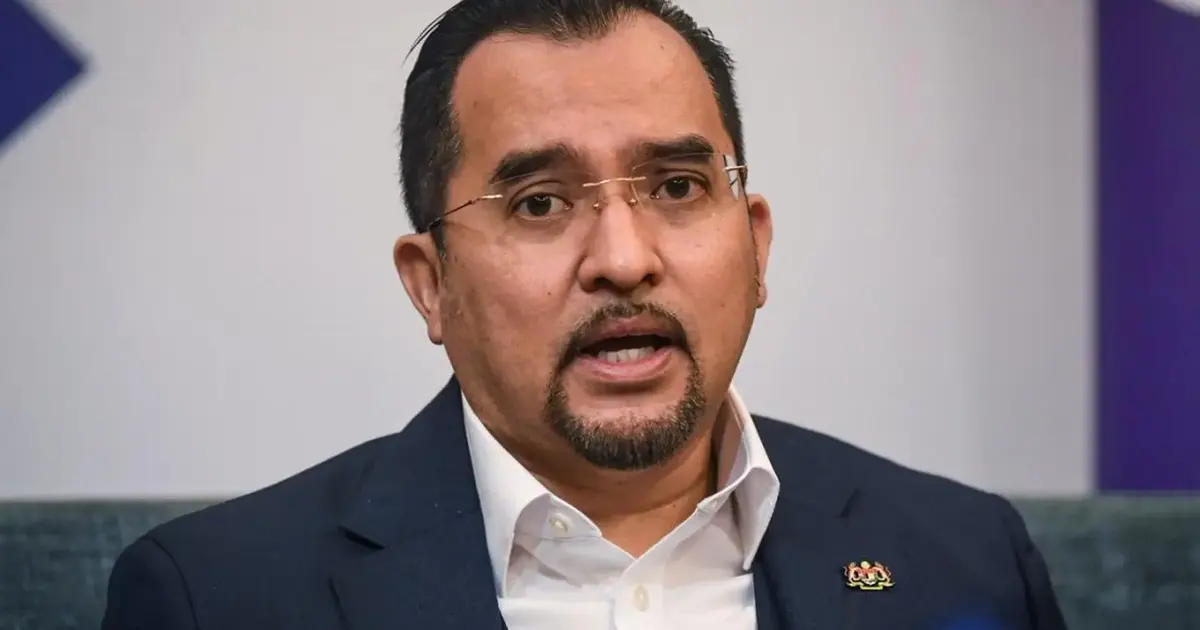
The leadership of Mara has escalated pressure on one of its affiliated colleges to swiftly investigate reports of student bullying, setting a firm deadline of 24 hours for the institution's disciplinary apparatus to begin proceedings. Asyraf Wajdi Dusuki, who chairs the Mara board, has made clear that the college's disciplinary committee must act with urgency and resolve to examine the allegations thoroughly before determining appropriate sanctions.
The directive reflects growing institutional concern over bullying incidents within Malaysia's college sector, a recurring issue that has periodically drawn public scrutiny and parental alarm. Bullying cases in educational institutions—whether physical, verbal, or psychological in nature—have become a contentious matter affecting student welfare, institutional reputation, and broader questions of campus safety and duty of care.
Aryaf Wajdi Dusuki's statement emphasising the "sternest possible action" signals that Mara intends to take a hardline approach to disciplinary matters. This language suggests that students found culpable may face expulsion, suspension, or other severe consequences, rather than merely counselling or administrative warnings. Such messaging serves multiple purposes: it reassures the complainant and their family that institutional leadership takes the matter seriously, deters potential bullying behaviour among the broader student population, and protects the organisation's standing.
The 24-hour timeframe is notably compressed, allowing little room for the standard investigative process that typically involves interviews with witnesses, complainants, and the accused, followed by deliberation. This suggests either that the allegations are severe enough to warrant expedited handling, or that Mara leadership wishes to demonstrate decisive action to stakeholders—potentially including parents, the media, and government overseers—who may be monitoring the situation closely.
Mara colleges occupy a particular place within Malaysia's higher education ecosystem. As publicly funded institutions aimed at developing Bumiputera talent, they operate under both public and governmental scrutiny. Any institutional failure to manage student conduct effectively can trigger broader questions about institutional governance, the quality of student support systems, and whether public resources are being deployed effectively.
The emphasis on the disciplinary committee's role underscores the formal mechanisms through which such institutions seek to address misconduct. Most colleges maintain dedicated disciplinary bodies staffed by senior academic figures, student affairs officers, and sometimes external members, tasked with ensuring fair processes while protecting institutional interests. The speed at which Asyraf Wajdi Dusuki expects these mechanisms to operate, however, raises questions about balancing swift action with procedural fairness—a tension that institutional authorities must navigate carefully to avoid legal challenge or accusations of bias.
Bullying within residential college environments presents distinct challenges compared to day schools. Students living on campus experience extended social proximity, limited escape from peer groups, and environments where authority figures are less immediately present than in traditional classroom settings. The psychological impact of bullying in such contexts can be particularly acute, affecting not only academic performance but also mental health and long-term social development.
For Malaysian parents and students considering Mara college placement, institutional responses to safety incidents become a key evaluation criterion. A swift, transparent, and appropriately severe response to bullying reports can bolster confidence that the institution prioritises student welfare. Conversely, perceived inaction or inadequate sanctions can tarnish reputation and discourage applications from families concerned about their child's safety.
The directive also reflects evolving societal and institutional norms around bullying and harassment. What might once have been dismissed as youthful roughhousing or character-building is increasingly recognised as harmful behaviour warranting serious intervention. This cultural shift has been reinforced by research documenting the psychological and academic harms of bullying, as well as high-profile cases that have drawn media and public attention.
Mara's response must also consider the experiences of other Southeast Asian nations grappling with similar issues. Countries across the region have witnessed rising parental and student advocacy around campus safety, with some nations implementing nationwide anti-bullying frameworks and mandatory institutional reporting requirements. Malaysia's approach to handling such matters increasingly operates within a regional context where institutional transparency and accountability are becoming expected standards.
The practical implementation of the 24-hour directive will likely rest with the college's administrative and disciplinary officers, who must balance speed with the gathering of credible evidence and witness testimony. The outcome—whether it results in immediate sanctions, further investigation, or other measures—will send important signals about how seriously Mara takes student welfare commitments and how it operationalises leadership directives at the ground level.
As this investigation unfolds, it will be closely observed by education stakeholders, student advocacy groups, and families with members in Mara institutions, all of whom will be assessing whether the institution's response matches the seriousness of the allegations and the strength of its public commitment to student safety and institutional discipline.

