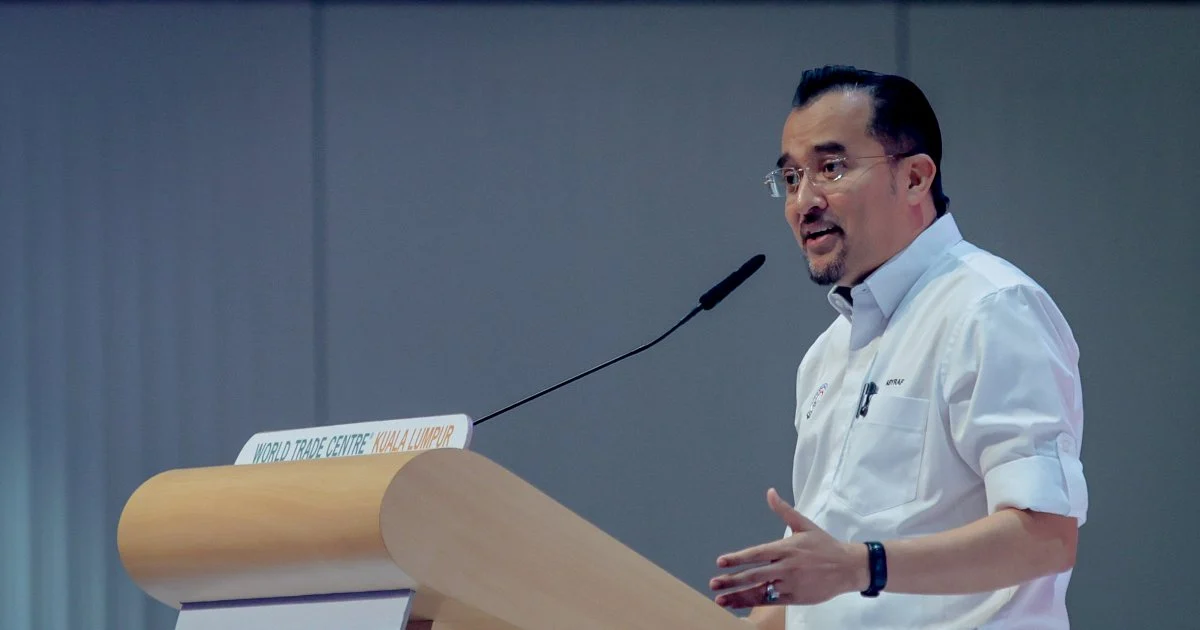
Malaysia's Mara has launched a comprehensive investigation into allegations of bullying at MRSM institutions, marking a significant escalation in the agency's response to what appears to be mounting concerns about student conduct and welfare at its prestigious boarding schools. The move reflects growing pressure on the organisation to address systemic issues that may have persisted without adequate oversight or consequences for perpetrators.
The formal probe signals Mara's commitment to enforcing stricter standards across its network of MRSM schools, which serve as primary pathways for Bumiputera students into higher education and professional careers. By initiating an investigation rather than relying on routine disciplinary channels, Mara is demonstrating that allegations of bullying are being treated with the seriousness they merit, particularly given the potential psychological and academic impact on victims who are often far from home and parental support.
Official statements from Mara have made clear that the consequences for substantiated bullying will be severe. Students identified as perpetrators face the prospect of expulsion from their institutions, a penalty that carries substantial implications for their educational trajectories and future opportunities. This hardline stance represents a departure from what critics have suggested may have been a more lenient approach to disciplinary matters in the past, when such incidents may have been addressed informally or with minimal consequences.
The investigation's scope appears to encompass multiple MRSM campuses, indicating that bullying concerns are not isolated incidents at individual schools but potentially part of a broader pattern affecting the residential school system. This recognition is crucial for understanding the systemic nature of the problem and for developing comprehensive solutions rather than addressing symptoms on a case-by-case basis. The residential nature of MRSM schools, where students live away from their families for extended periods, creates unique vulnerabilities that require equally robust safeguarding mechanisms.
For Malaysian parents and prospective students, these investigations raise important questions about the duty of care that boarding institutions must exercise. While MRSM schools have traditionally enjoyed strong reputational standing as centres of academic excellence and leadership development, the bullying allegations suggest that academic achievement may have been prioritised at the expense of creating genuinely safe and inclusive environments. The investigation provides an opportunity to recalibrate institutional priorities and ensure that pastoral care is elevated to equal importance as academic outcomes.
The disciplinary measures being introduced reflect international best practices in school safeguarding. Many developed nations have moved toward zero-tolerance policies on bullying in recent decades, recognising that such behaviour causes documented harm to victims' mental health, academic performance, and long-term wellbeing. By adopting expulsion as a potential consequence, Mara is aligning itself with these global standards and sending a clear message that bullying will not be tolerated regardless of students' academic standing or family connections.
The investigation also highlights the importance of robust reporting mechanisms and whistleblower protections within educational institutions. Students and staff must feel empowered to report bullying without fear of retaliation or dismissal of their concerns. The success of Mara's investigation will partly depend on whether it demonstrates that individuals who come forward can expect their grievances to be taken seriously and investigated thoroughly, setting a precedent for future disclosures.
Particularly significant is the message this sends to current MRSM students about accountability and institutional responsibility. Many may have experienced or witnessed bullying but remained silent due to perceptions that such behaviour was accepted or overlooked. By publicly announcing an investigation with explicit warnings about expulsion, Mara is reshaping expectations around acceptable conduct and creating psychological permission for potential witnesses to come forward with information.
The broader implications extend beyond individual institutions to Malaysia's education system as a whole. Boarding schools remain popular among Malaysian families seeking quality education and character development, but recent years have seen growing awareness of safeguarding gaps in the residential school environment. Other institutions will likely face scrutiny regarding their own bullying prevention policies and investigation procedures, potentially catalysing systemic improvements across the sector.
Implementing these investigations effectively will require significant investment in support services for affected students. Victims of bullying often require counselling and psychological support to recover from their experiences, while perpetrators may benefit from rehabilitation programmes designed to address the underlying causes of their behaviour. The investigation's outcomes should therefore inform not only punitive measures but also preventative and rehabilitative frameworks that address root causes.
Moving forward, Mara's challenge will be to maintain this commitment to safe learning environments consistently while preserving the institutions' academic reputation and competitive standing. The two objectives are not mutually exclusive—indeed, schools where students feel genuinely safe and supported tend to perform better academically because students can focus on learning rather than survival within institutional hierarchies. The investigation represents a critical juncture in demonstrating that Mara takes student welfare as seriously as student achievement.

