The Majlis Amanah Rakyat (MARA) has embarked on a significant institutional reform aimed at reinforcing discipline and character-building across its residential colleges, introducing a cadre of dedicated wardens drawn from the military. The initiative represents a strategic shift in how MARA manages student conduct and pastoral care, addressing longstanding concerns about balancing academic excellence with moral and ethical development in Malaysia's highly competitive college system.
According to MARA chairman Datuk Dr Asyraf Wajdi Dusuki, the organisation will systematically install four full-time wardens at every MARA Junior Science College (MRSM) nationwide, with each institution receiving two male and two female personnel. The phased approach begins this year with deployment across 10 pilot colleges, followed by comprehensive rollout to all 58 facilities from January 2025 onwards. This measured expansion allows the organisation to refine operational procedures and gather feedback before nationwide implementation, reducing the risk of institutional disruption.
The recruitment process has drawn extensively from Malaysia's military establishment through collaborative arrangements with the Malaysian Armed Forces (ATM) and related governmental bodies. MARA has emphasised that selection criteria prioritised candidates with exemplary service records, ensuring that only those meeting rigorous standards are stationed in the colleges. This deliberate vetting process underscores the seriousness with which the organisation approaches its duty of care towards students, many of whom are adolescents away from home for the first time and therefore particularly vulnerable to various social pressures.
The rationale underpinning this initiative addresses a practical constraint within Malaysian secondary education: classroom teachers have traditionally been stretched thin across multiple responsibilities, leaving insufficient capacity for dedicated pastoral and disciplinary functions. By introducing specialised full-time wardens, MARA seeks to relieve this pressure while simultaneously leveraging the organisational expertise and professional bearing that military background provides. Former military personnel, by virtue of their training and career experience, typically embody the institutional discipline, structured routines, and leadership qualities that MARA views as essential for character development in young people.
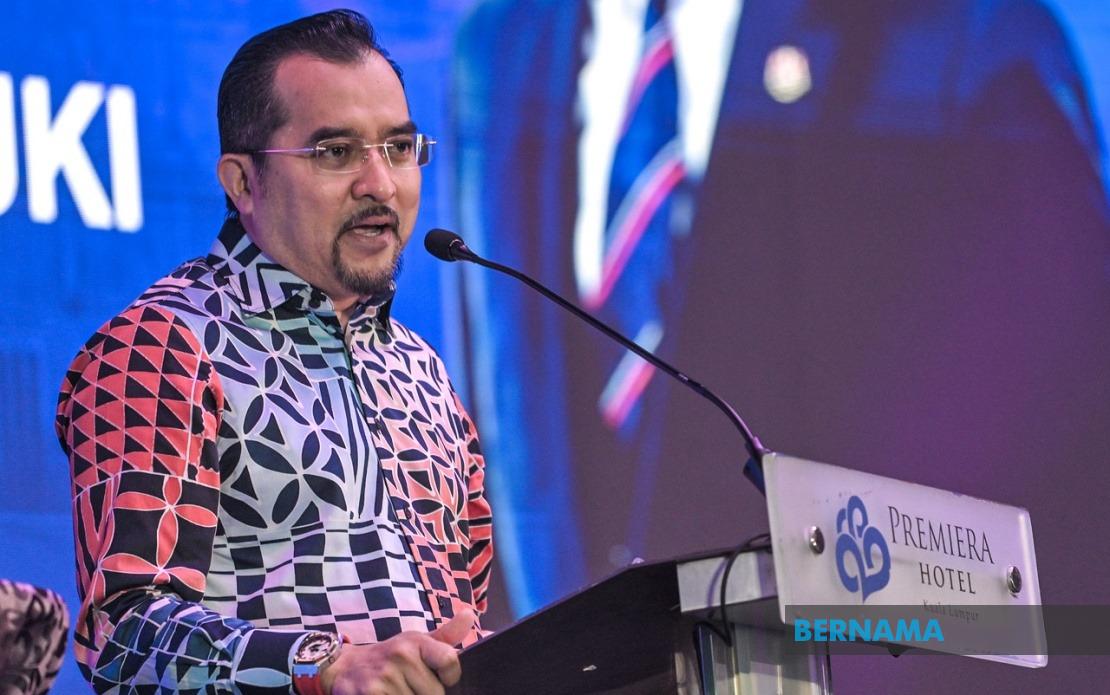
Datuk Dr Asyraf Wajdi articulated the underlying philosophy during the 2026 MARA Educators' Awards Day at Premiera Hotel, emphasising that student discipline, moral standards, and character formation represent non-negotiable institutional priorities. This positioning reflects broader societal concerns in Malaysia regarding youth conduct and values, particularly within the context of rapid social change and digital disruption. MARA's commitment signals that technical and academic competence alone cannot suffice; graduates must exhibit ethical grounding and personal integrity alongside professional qualifications.
The initiative arrives at a moment when MARA is experiencing notable success in vocational and technical education pathways. The organisation reported that Technical and Vocational Education and Training (TVET) graduates achieved a 99.1 per cent employability rate, substantially surpassing national averages. This performance reflects strategic industry partnerships that translate classroom learning into labour market relevance. Samsung's recent recruitment of 700 MARA TVET graduates at a starting salary of RM3,500 exemplifies how institutional credibility translates into tangible career opportunities for students, thereby validating the educational investment made by both individuals and the state.
The correlation between MARA's academic success and this new disciplinary initiative suggests an integrated institutional philosophy: excellence encompasses both intellectual development and personal character. By enhancing pastoral structures, MARA positions itself to maintain the cultural and ethical foundations that support academic performance. This holistic approach recognises that educational outcomes depend not merely on curriculum delivery but on the broader institutional environment in which learning occurs.
Recognising high-performing institutions within the MRSM network, MARA allocated RM145,000 in special funding to support excellence programmes at five colleges that achieved top rankings in the previous year's Sijil Pelajaran Malaysia (SPM) examination. This targeted investment strategy incentivises continued academic achievement while providing additional resources to already-successful institutions, creating positive feedback loops that maintain competitive standards across the college network.
For Malaysian parents and students considering MRSM admission, the warden initiative represents a meaningful enhancement to residential college life. The introduction of dedicated disciplinary and mentoring personnel should reduce student-to-supervisor ratios, theoretically enabling more personalised pastoral engagement and faster responses to behavioural or welfare concerns. Enhanced supervisory structures may also contribute to safer residential environments, addressing parental anxieties about adolescent welfare in boarding contexts.
From a regional perspective, this initiative demonstrates how Malaysian educational institutions are adapting governance structures to address evolving challenges. The integration of military-background personnel into civilian educational settings reflects practical problem-solving that draws upon institutional strengths beyond the traditional teaching profession. As Southeast Asian nations increasingly prioritise technical education and skilled workforce development, MARA's model of combining rigorous academics, employment-focused training, and character development offers a potentially replicable framework for neighbouring countries seeking to enhance their own vocational education systems.
The deployment timeline and phased implementation suggest MARA has learned from previous institutional initiatives that scaling changes gradually allows for course correction and optimisation. This measured approach indicates organisational maturity and commitment to sustainable reform rather than disruptive overhauls. As the first 10 pilot colleges commence operations with their new warden structures this year, the data collected will likely inform policy discussions across Malaysia's broader education sector about optimal pastoral care models in residential institutions.

