The Majlis Amanah Rakyat has announced it will undertake a comprehensive review of standard operating procedures governing student outings at its Mara Junior Science Colleges network, prompted by the recent disappearance of two teenage students from one of its residential campuses. The incident, which unfolded over more than three days at MRSM Alor Gajah in Melaka beginning on August 11, has drawn considerable attention to the safeguarding frameworks and freedom of movement policies that govern Malaysia's elite federal scholarship programme for gifted youngsters. The missing teenagers, both aged sixteen, were eventually discovered near Pasar Seni in central Kuala Lumpur approximately four days after they vanished while under the institution's pastoral care, raising fresh questions about duty of care responsibilities at premier boarding schools.
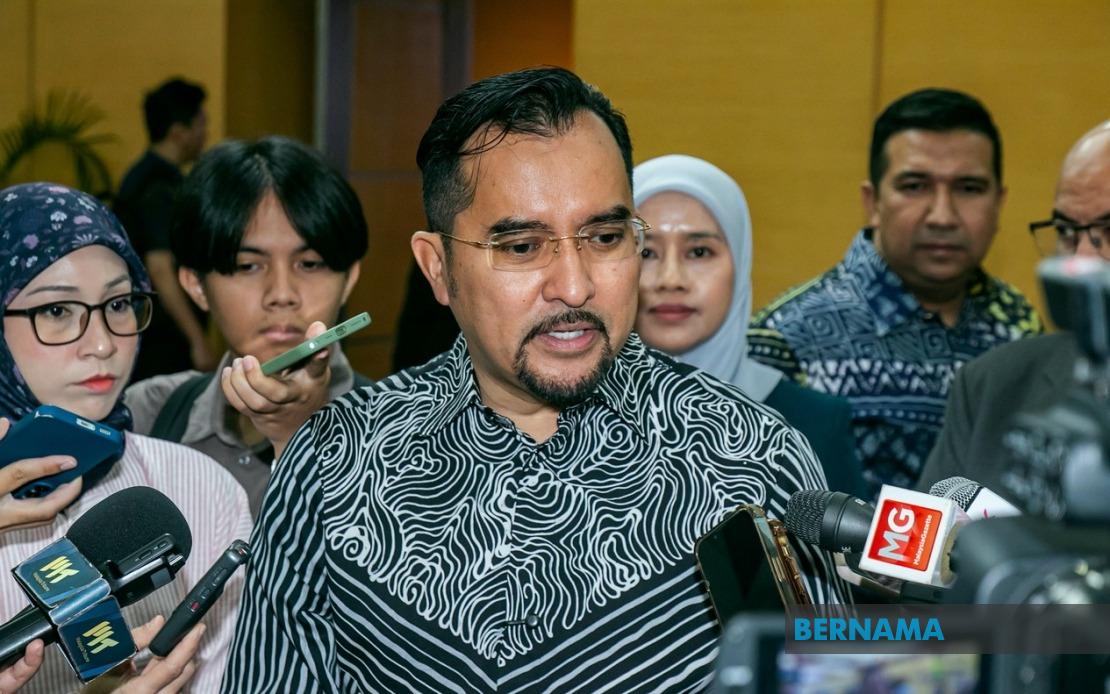
Datuk Dr Asyraf Wajdi Dusuki, who leads MARA, moved to strike a careful balance between acknowledging the incident and maintaining institutional confidence in existing protocols. In remarks to journalists following an event promoting the 2026 pre-departure programme for MARA-sponsored tertiary students, he characterised the episode as exceptional rather than symptomatic of systemic failure. This framing proves significant for the broader Malaysian educational landscape, where boarding schools shoulder responsibility for shaping future professionals and leaders whilst simultaneously permitting the developmental independence that adolescents require to mature into self-reliant adults. Asyraf Wajdi's cautious approach suggests MARA leadership recognises the tension between restrictive governance and the pedagogical necessity of granting students appropriate autonomy.
The institutional framework that permitted the missing students to venture beyond campus had operated successfully over many years before this incident. Specifically, MRSM pupils have historically been authorised to enter town settings once or twice monthly under specified conditions, though such excursions typically proceeded without direct teacher supervision or chaperoning arrangements. This policy reflects a deliberate institutional choice to trust senior secondary students with unsupervised movement within designated geographical perimeters, a practice aligned with international boarding school norms and consistent with Malaysian educational philosophy emphasising student development. The guidelines governing such town visits embody assumptions about adolescent responsibility and institutional duty that now warrant examination in light of the August incident.
When discovered, one of the two students had experienced a panic attack and required hospital admission following the ordeal, presenting in a shocked psychological state that warranted immediate medical intervention. This detail underscores the emotional and physical toll the incident inflicted upon the young person involved, extending consequences beyond mere absence from campus. The medical response documented in police files and institutional records provides crucial context for understanding both the severity of the students' circumstances during their absence and the psychological framework within which any policy revision must operate. MARA's acknowledgment of this medical element demonstrates awareness that student welfare encompasses physical health, mental wellbeing, and emotional resilience simultaneously.
Investigative processes remain ongoing, with police in Alor Gajah engaging MARA representatives to gather institutional insights into the circumstances surrounding the disappearance. Asyraf Wajdi declined to disclose preliminary findings, emphasising instead the necessity of allowing law enforcement and relevant institutional bodies space to complete thorough investigations without premature public disclosure. This cautious stance reflects appropriate protocol governing active investigations whilst demonstrating institutional cooperation with authorities. The timing of police engagement—described as occurring on Monday following the students' discovery—indicates swift institutional response and suggests MARA activated appropriate escalation procedures upon determining the missing students' location.
Much of the public discussion surrounding this incident gravitates toward whether MARA should implement substantially tighter restrictions on student movement, modified supervision arrangements, or technological monitoring solutions. Asyraf Wajdi's public statement pushes back against this impulse, arguing that allowing one isolated incident to dictate sweeping policy changes would fundamentally alter the educational environment and damage carefully cultivated institutional culture. His reasoning carries weight within the Malaysian context, where MRSM institutions serve as flagship establishments developing intellectual and character capacities in high-achieving young Malaysians. Excessive restriction, the chairman suggests, would undermine the very developmental goals that justify institutional investment in boarding education.
The broader Malaysian education system watches this matter closely, as MRSM policy decisions often cascade into wider secondary schooling frameworks, particularly within boarding school contexts. Other federal and state boarding institutions may examine their own safeguarding protocols, supervision standards, and student movement guidelines in light of the MRSM incident. This ripple effect makes the nature and extent of MARA's procedural revisions consequential beyond individual institutional boundaries. Whether MARA opts for refined guidance on existing policies, enhanced reporting mechanisms, modified supervision ratios, or psychological support expansion will signal to the educational establishment how Malaysia's premier scholarship authority balances student protection with developmental autonomy.
For Malaysian parents entrusting their children to boarding institutions, the incident presents competing anxieties. The discovery that two teenagers could be absent for four days before being located raises legitimate questions about institutional responsiveness and monitoring systems. Simultaneously, parents who selected MRSM programmes partly because of their reputation for developing independent, resilient students may resist policies that diminish opportunities for unsupervised experience and age-appropriate decision-making. This parental constituency includes educated professionals who understand both the necessity of safeguarding and the educational value of permitting controlled risk and autonomous exploration during adolescence.
The incident also reflects contemporary tensions within Malaysian society regarding how institutions should balance transparency with privacy, rapid public disclosure with thorough investigation, and media attention with productive problem-solving. The initial disappearance of two teenagers from a prestigious institution naturally generates media scrutiny and public concern, particularly when the incident concludes with medical intervention and psychological distress. Managing these dynamics whilst conducting substantive institutional review requires skillful navigation of competing institutional, regulatory, and public expectations.
Looking ahead, MARA's review process will likely examine specific procedural elements including communication protocols between campus and parents, staff training regarding behavioural indicators of student distress, emergency contact procedures, and coordination mechanisms with local police and authorities. The review may also address whether existing town visit guidelines require clarification, particularly regarding destinations, duration parameters, and check-in requirements. Enhanced pastoral oversight, psychological support infrastructure, or peer mentoring initiatives might emerge as complementary measures that strengthen student wellbeing without fundamentally restricting the freedoms that define the MRSM experience.
The authority's measured public response reflects institutional maturity and appropriate governance, resisting the temptation to implement draconian restrictions or dismiss legitimate safety concerns. Asyraf Wajdi's consistent messaging that this incident represents an exception rather than an indictment of existing systems protects institutional morale whilst signalling that thoughtful, proportionate revision will proceed. Whether such review ultimately generates substantial procedural change or primarily refines existing frameworks will clarify once investigation concludes and institutional deliberation yields formal updated guidance.

