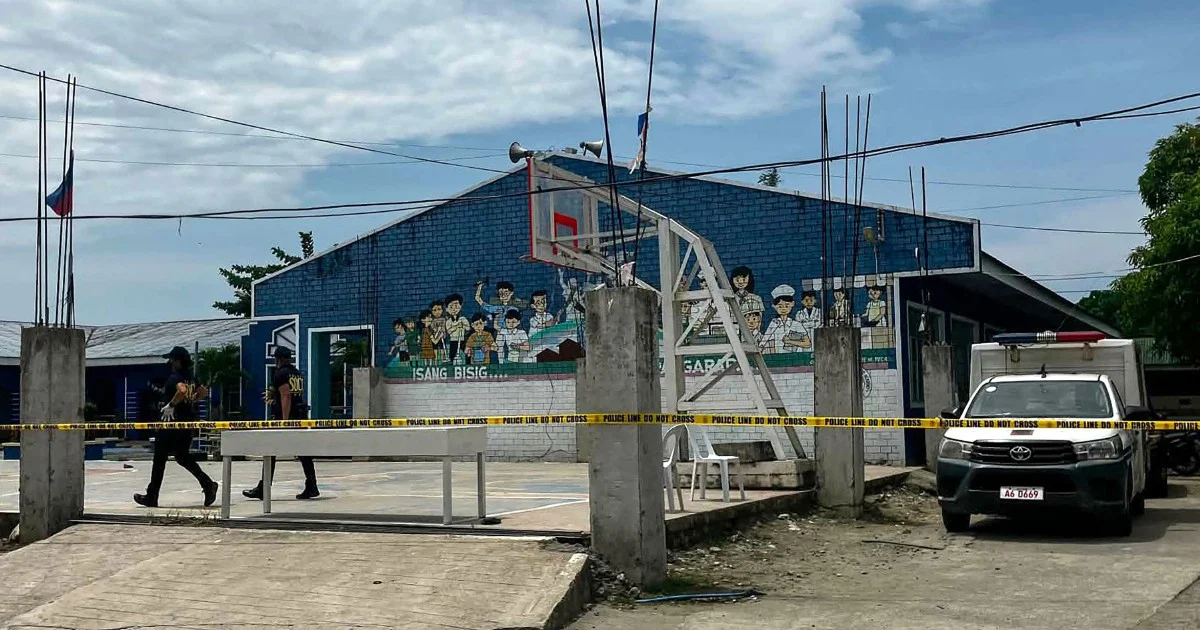
Philippine President Ferdinand Marcos Jr has ordered a formal investigation into a shooting incident that claimed three lives at a school in Tacloban. The directive, issued on Monday, comes as authorities work to piece together the circumstances surrounding the attack that also left five others wounded. The incident has intensified scrutiny on gun violence and school safety protocols across the archipelago.
The Tacloban school shooting represents a serious security breach in an educational institution, an environment that Filipinos traditionally consider a sanctuary for children and adolescents. Such incidents are relatively uncommon in Philippine schools compared to other nations, yet the occurrence at this Visayas-based institution has prompted heightened concern among parents and education officials nationwide. The severity of the casualties—three fatalities and multiple injuries—underscores the potential for significant harm when firearms are brought into academic settings.
President Marcos Jr's decision to personally order the investigation signals the national government's commitment to understanding how the shooting occurred and identifying systemic failures that may have allowed the perpetrator to access the campus with weapons. Presidential involvement in local security matters typically indicates the incident's gravity and its potential implications for broader national security policy. The investigation will likely examine school security measures, access control protocols, and whether warning signs preceded the violence.
The city of Tacloban, located in Eastern Samar province, serves as an important municipal center in the Visayas region. Schools in the Philippines often operate with varying levels of security infrastructure depending on local resources and threat assessments. The incident raises questions about whether Tacloban's educational institutions had adequate security personnel, visitor screening systems, or emergency response procedures in place to prevent or mitigate such an attack.
For Malaysian observers, the incident reflects broader Southeast Asian challenges regarding gun control and school safety. While the Philippines has significantly stricter firearm regulations than some nations, illegal weapons remain prevalent in certain regions. The ease with which weapons entered a school premises suggests potential gaps in community policing and local enforcement of existing regulations. Malaysia's own approach to gun licensing and security at educational institutions, while generally effective, may draw comparative lessons from how the Philippine investigation unfolds.
The investigation's findings could influence policy decisions across multiple government agencies in the Philippines, including the Department of Education, the Philippine National Police, and local government units. Officials may need to review and strengthen existing security guidelines applicable to schools nationwide. Enhanced protocols might include upgraded access control systems, increased security personnel training, and improved coordination between educational and law enforcement authorities.
The incident also touches on mental health and early intervention frameworks. Understanding the shooter's motivations and background will be crucial for developing preventive strategies. The Philippine government may need to examine whether warning signs were missed by school officials, medical professionals, or community members who could have flagged concerning behaviour before violence occurred. Such preventive approaches have proven effective in other jurisdictions facing similar challenges.
Parent and community responses to the Tacloban shooting will likely shape public pressure for security improvements. Educational institutions across the country may face increased demands for transparent safety protocols and visible security measures. Schools might consider implementing drills, enhanced staff training, and transparent communication systems to keep families informed during emergencies. The psychological impact on students and staff at the affected school will require ongoing mental health support and trauma counselling.
The investigation represents an opportunity to comprehensively assess the current state of school security infrastructure in the Philippines. Disparities between well-resourced urban schools and under-equipped rural and provincial institutions may become apparent. Addressing such gaps would require coordinated funding from national and local budgets, personnel training investments, and technological upgrades. The investigation's scope and thoroughness could serve as a model for how the government approaches critical incidents affecting public safety.
International perspectives on school violence prevention may inform the Philippine investigation's recommendations. Comparative analysis with approaches employed in countries with successful track records in reducing school-based violence could yield practical insights. However, recommendations must be adapted to Philippine contexts, considering cultural factors, economic realities, and existing law enforcement capacities across diverse regions.