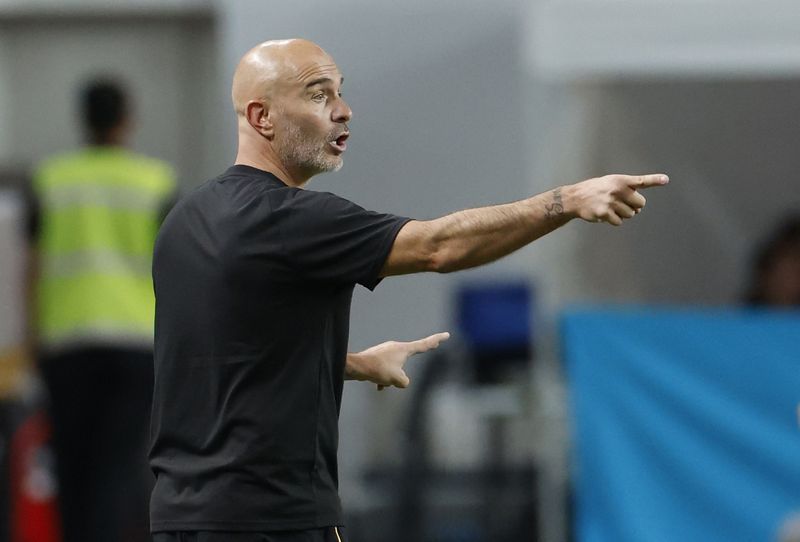
Manchester City has entered uncharted waters this season with Enzo Maresca at the helm, marking the end of an era that reshaped English football. For the first time in ten years, the Etihad will not have Pep Guardiola directing operations from the technical area, closing a chapter that stands as arguably the most illustrious in the club's 138-year history. During his tenure, Guardiola delivered six Premier League titles, a Champions League triumph, and established City as the benchmark for excellence across English football—a legacy that will inevitably cast a long shadow over his successor's tenure.
Maresca arrives at Manchester City as an internally familiar figure rather than an outsider. The 46-year-old Italian served within Guardiola's coaching structure during the remarkable treble-winning season, providing him with intimate knowledge of the club's systems, culture, and the meticulous approach that underpinned their success. This institutional understanding distinguishes his appointment from other potential candidates who might have brought fresh perspectives but lacked such deep familiarity with City's operations. Beyond his time at the Etihad, Maresca has demonstrated managerial credentials that impressed the club's hierarchy—guiding Leicester City back to the Premier League and securing silverware during his tenure at Chelsea, credentials that suggested capability for stepping into one of football's most demanding roles.
The continuity narrative forms the cornerstone of City's strategic thinking in this transition. Rather than pursuing a wholesale philosophical reinvention, the club has deliberately selected a manager whose understanding of Guardiola's positional play, ball retention principles, and tactical adaptability promises a smooth transition. This approach reflects a recognition that the squad's identity and playing style have become deeply embedded across the organisation. The expectation is that City's football will maintain its recognisable patterns—the patient build-up play, the pressing intensity, the fluid positional interchanges—but with gradual refinement as Maresca establishes his distinct managerial personality and imprints his strategic preferences onto the group.
The personnel Maresca inherits represents one of Europe's most formidable collections of talent. Erling Haaland, the Norwegian striker who has led the Premier League in scoring during three of the past four seasons, provides a guaranteed focal point and goalscoring outlet that few rivals can match. Rodri, the Spanish midfielder who spearheaded his nation's recent European championship victory and earned the tournament's Golden Ball, remains the tactical nucleus whose passing range, positional intelligence, and defensive contributions organise everything around him. These two players alone establish Manchester City as immediate contenders for every honour they contest, providing a foundation upon which success can be constructed.
The club has undertaken strategic recruitment to refresh their midfield infrastructure following the exits of Bernardo Silva and John Stones, two experienced voices who represented continuity with Guardiola's early years at the club. Elliot Anderson's arrival from Nottingham Forest for a reported £116 million brings enhanced ball-winning capability and physical dynamism to the centre of the pitch, addressing an area identified for strengthening. Emerging prospects including Rayan Cherki and Nico O'Reilly offer tantalising potential and fresh energy that could inject vitality into a squad that has operated under singular managerial direction for a prolonged period. However, the departures of experienced operators have created subtle but meaningful gaps in leadership experience and dressing room influence, intangible qualities that often prove crucial during transitional periods.
The preceding campaign illuminated the standards Maresca must immediately meet. Guardiola's final season yielded a domestic cup double—achievements that would constitute a trophy-laden conclusion at most elite institutions—yet finishing second to Arsenal in the Premier League title race felt distinctly underwhelming given the expectations the manager had established across his decade in charge. This narrative reality crystallises the magnitude of Maresca's challenge: he cannot merely maintain competitive standards or deliver respectable outcomes. The City hierarchy and supporter base have been conditioned to expect title challenges as a baseline requirement, not a bonus achievement. Anything less than a genuine Premier League assault would represent underperformance against the club's recalibrated expectations.
Guardiola's influence permeated far beyond tactical instruction or training ground methodology; his presence fundamentally shaped Manchester City's institutional culture and identity. He established standards regarding professionalism, attention to detail, and relentless pursuit of incremental improvement that now represent organisational baseline expectations. Transitioning from being Guardiola's trusted lieutenant within the coaching hierarchy to assuming sole responsibility for this vast enterprise presents a qualitatively different challenge. Maresca must project sufficient authority and vision to command respect whilst honoring the established cultural foundation that predicated City's sustained success. The distinction between operating as a senior member of the coaching staff and bearing solo responsibility for strategic direction and decision-making constitutes a meaningful gap that experience alone may not fully bridge.
The adaptation period will inevitably require careful management, particularly given that numerous squad members will return to pre-season training late following their World Cup involvement. Squad reintegration, building collective rhythm, and establishing Maresca's training philosophies and tactical preferences represent immediate operational priorities that demand attention before competitive football resumes. The fixture calendar shows City beginning their campaign against Bournemouth on August 23, providing a condensed timeframe for preparation before the demands of the Premier League season materialise. This compressed preparation window adds temporal pressure to the transition process, though the quality of City's playing group should mitigate some potential cohesion challenges.
Despite the transition challenges, Manchester City remain positioned among the Premier League and European competition favourites across most analytical models. The squad's quality transcends managerial change; even during an adjustment period, the talent available should enable competitive performance across multiple fronts. Maresca's fundamental task involves synthesising continuity with innovation—maintaining the successful patterns established under Guardiola whilst introducing sufficient tactical variation and fresh emphasis to refresh a team that has operated under essentially singular strategic direction for an entire decade. Should he navigate this balance successfully, translating institutional knowledge into independent managerial vision while preserving the cultural foundations that enabled City's dominance, the club could rapidly reestablish its position atop English football. The coming months will determine whether this carefully constructed transition represents seamless succession or whether the managerial succession marks the beginning of Manchester City's competitive decline.

