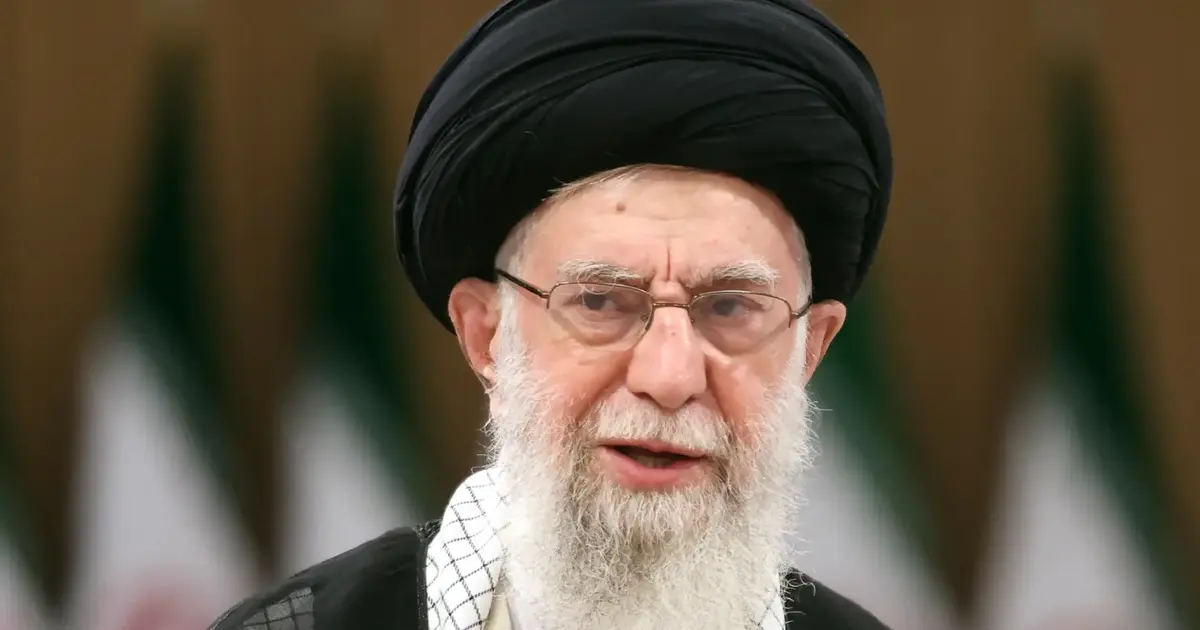
Malaysia will be represented at the funeral of Iran's Supreme Leader Ali Khamenei by Agriculture and Food Security Minister Mohamad Sabu, according to an announcement by Prime Minister Anwar Ibrahim. The high-level delegation reflects Malaysia's diplomatic engagement with Tehran during a period of significant regional and international focus on Iran's leadership transition.
The decision to dispatch Mat Sabu, as he is commonly known, signals the importance Malaysia places on its relationship with Iran, one of the Middle East's most influential nations and a key player in regional geopolitics. The minister's attendance at such a significant state funeral underscores Malaysia's commitment to maintaining bilateral ties across diverse international partners, particularly within the Muslim-majority world where Iran holds considerable symbolic and practical significance.
Ali Khamenei, who served as Iran's Supreme Leader for over three decades, wielded enormous influence not only within Iran but across the broader Islamic world and beyond. His death carries implications for regional stability, international relations, and the trajectory of Iranian domestic and foreign policy. Malaysia's participation in the funeral ceremonies demonstrates the country's recognition of Khamenei's role and Iran's importance as a geopolitical actor in a volatile region.
The selection of the Agriculture and Food Security Minister for this diplomatic mission, rather than the Foreign Minister, may appear unconventional at first glance, yet it likely reflects broader strategic considerations. Within Malaysia's diplomatic framework, such assignments can denote respect for the visiting nation while managing various layers of representation. Mat Sabu brings considerable political standing within Malaysia's government hierarchy, which adds weight to the delegation despite his portfolio not being immediately aligned with bilateral political affairs.
Malaysia's engagement with Iran extends across multiple dimensions—trade, cultural exchange, and religious affinity. The Southeast Asian nation has sought to balance its relationships with various powers, including those with strategic interests in the Middle East. Attending Khamenei's funeral reaffirms Malaysia's non-aligned posture and its commitment to engaging constructively with all nations, irrespective of geopolitical alignments or international controversies that may surround them.
The funeral itself will serve as a focal point for international diplomacy, with delegations from across the world expected to attend. Such occasions provide informal diplomatic opportunities for nations to reinforce relationships, signal political positions, and engage in discussions beyond the formal agenda. Malaysia's presence ensures the country maintains visibility within these important diplomatic exchanges during a period when Iran's future direction remains a subject of international attention.
Khamenei's tenure had been marked by his navigation of complex international relations, including tensions with the United States, regional conflicts, and nuclear diplomacy. His leadership shaped Iran's approach to conflicts in Iraq, Syria, and Yemen, while also managing domestic challenges. The succession process that follows his death will be watched closely by regional and international observers, including Southeast Asian nations with interests in Middle Eastern stability.
For Malaysian policymakers and observers, Iran's leadership transition carries implications for regional peace and stability. Malaysia, as a member of ASEAN and a nation with significant maritime interests in waters that could be affected by Middle Eastern tensions, has a vested interest in understanding and engaging with Iran's evolving foreign policy direction. Mat Sabu's attendance at Khamenei's funeral positions Malaysia to observe and potentially influence developments within Iran's power structure, particularly regarding foreign policy orientations.
The broader context of Malaysia's Middle East diplomacy has evolved considerably in recent years. The country has sought to expand economic partnerships in the region while maintaining its traditional ties. Iran remains significant both as a trading partner and as a fellow Muslim-majority nation with which Malaysia shares diplomatic and cultural channels. The government's decision to send an official representative to such a prominent state funeral reinforces Malaysia's interest in preserving and potentially strengthening these connections.
Domestically, Mat Sabu's role as Agriculture and Food Security Minister gives him particular relevance in discussions surrounding food trade and supply chains, areas where Iran could feature in Malaysia's long-term strategic planning. The Middle Eastern nation produces significant agricultural commodities, and any future bilateral engagement may encompass trade discussions and supply chain cooperation—domains where his expertise could prove valuable in future negotiations.
The timing of the funeral and Malaysia's response also reflect the country's capacity to mobilize diplomatic responses to significant international events. Malaysia's presence at such ceremonies demonstrates active foreign policy engagement and recognition that the Muslim world extends beyond Southeast Asia, encompassing major powers and influential nations whose decisions ripple across global affairs.
Looking forward, Mat Sabu's participation in these ceremonies may facilitate subsequent high-level engagements between Malaysia and Iran's new leadership. The informal networking opportunities available during state funerals often translate into substantive diplomatic outcomes in the months and years following such events. Malaysia's strategic positioning as a moderate, bridge-building nation within the Islamic world makes such engagement particularly valuable.

