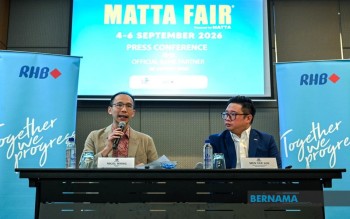
The Malaysian Association of Tour and Travel Agents (MATTA) has outlined an ambitious agenda for Budget 2027, positioning tax relief and infrastructure development as central to revitalising the nation's tourism sector and maximising returns from the Visit Malaysia 2026-2027 promotional drive. Speaking after the MATTA Fair press conference, association president Nigel Wong underscored that financial incentives form the backbone of strategy to energise international marketing efforts and draw foreign visitor numbers back to pre-pandemic levels and beyond.
At the heart of MATTA's submission lies a straightforward economic argument: tour operators require enhanced tax deductions to justify expanded expenditure on overseas promotional campaigns. Wong explained that improved tax treatment would create financial space for operators to escalate their international marketing activities, thereby amplifying Malaysia's visibility in key source markets. This approach recognises that individual operators, rather than government agencies alone, possess the market knowledge and client relationships necessary to convert promotional investment into actual tourism arrivals. By reducing the tax burden on promotional spending, the government could effectively leverage private sector resources to achieve public tourism objectives.
The timing of MATTA's appeal is strategic, arriving as Malaysia enters the final lap of its Visit Malaysia 2026-2027 campaign. This two-year initiative represents a significant national commitment to reposition Malaysia as a premier regional destination, and its success hinges on sustained promotional intensity across target markets. Tour operators function as frontline ambassadors in these markets, directly engaging potential visitors and translating destination marketing into booking decisions. Without appropriate fiscal support mechanisms, operators face pressure to curtail overseas activities, potentially undermining the campaign's momentum precisely when maintaining visibility proves most crucial.
Beyond tax relief, MATTA has emphasised that structural tourism investment represents equally vital groundwork for long-term competitiveness. Wong pointed to the Sultan Abdul Samad Building renovation as exemplifying the transformative impact of heritage site restoration. The iconic Kuala Lumpur landmark has become a major visitor draw precisely because meaningful investment transformed it into a contemporary cultural asset while preserving historical authenticity. This success story underscores MATTA's broader contention that Malaysia's tourism infrastructure, particularly historical and natural heritage sites, requires systematic modernisation to compete effectively with rival Southeast Asian destinations upgrading their own attractions.
The association's vision extends beyond isolated projects to encompass a comprehensive tourism ecosystem. Wong advocated for a whole-of-tourism approach in which municipal councils assume greater responsibility for urban environments' quality, safety, and walkability. This perspective reflects recognition that international visitors evaluate destinations holistically—individual attractions matter less than the entire urban experience, encompassing street conditions, safety perceptions, cleanliness, and accessibility. When cities feel welcoming and secure, tourists extend stays, increase spending, and recommend destinations to others, multiplying the economic impact of initial attractions investment.
Local governance plays an underappreciated role in tourism competitiveness that Malaysian policymakers have historically overlooked. Municipal councils, as frontline authorities responsible for urban spaces, shape visitor experiences daily through maintenance standards, traffic management, and public safety initiatives. MATTA's call for expanded council involvement in tourism strategy represents tacit acknowledgment that inadequate maintenance or unsafe conditions can negate investment in marquee attractions. A beautifully restored heritage site surrounded by poorly maintained streets sends mixed signals and diminishes overall appeal. Conversely, cities where municipal authorities treat tourism considerations as central to planning decisions create environments where visitors feel welcomed and protected.
The promotional budget allocation request reflects MATTA's understanding that awareness drives demand. Malaysia competes for share of a finite pool of international tourist dollars, primarily from regional neighbours and increasingly from longer-haul markets. Competitors invest heavily in digital and traditional marketing across multiple channels; Malaysia's promotional allocation must match this intensity to maintain market visibility. As travel decision-making increasingly occurs online through social media, travel blogs, and search engines, consistent promotional presence across these platforms requires sustained funding. Underfunded campaigns create visibility gaps that competitors exploit.
For Malaysian readers, MATTA's budget priorities carry direct relevance to employment and regional development. Tourism spending supports jobs across hospitality, transport, retail, and cultural sectors, benefiting communities far beyond major urban centres. Infrastructure investments in heritage sites and urban amenities create construction employment while generating long-term tourism revenue streams. Tax incentives to tour operators reduce industry costs, potentially supporting business viability across small and medium-sized enterprises that form tourism's backbone. When tourism sectors thrive, employment opportunities emerge for Malaysians across income levels and educational backgrounds.
The Finance Minister's October 9 tabling of the Supply Bill (Budget) 2027 provides the formal venue for these recommendations to receive governmental consideration. Budget cycles represent moments when competing priorities jostle for limited fiscal resources, with tourism often positioned as discretionary rather than essential spending. MATTA's advocacy through formal budget channels aims to reframe tourism investment as economically strategic rather than merely sectoral interest. The association must articulate convincing arguments regarding returns on investment, job creation multipliers, and foreign exchange earnings to persuade fiscal authorities that tourism deserves prioritised funding compared to other spending categories.
Regionally, Malaysia's tourism ambitions reflect broader Southeast Asian trends toward experience-based travel and heritage tourism. Thailand, Vietnam, and Indonesia have captured growing tourist volumes by combining infrastructure investment with coordinated promotional campaigns. Malaysia possesses comparable natural and cultural assets but has sometimes lagged in executing integrated strategies. MATTA's Budget 2027 submission reflects determination to remedy this gap through government-industry coordination. Success requires Budget 2027 to translate these recommendations into concrete allocations, demonstrating official commitment to tourism as a pillar of economic diversification and sustainable growth.

