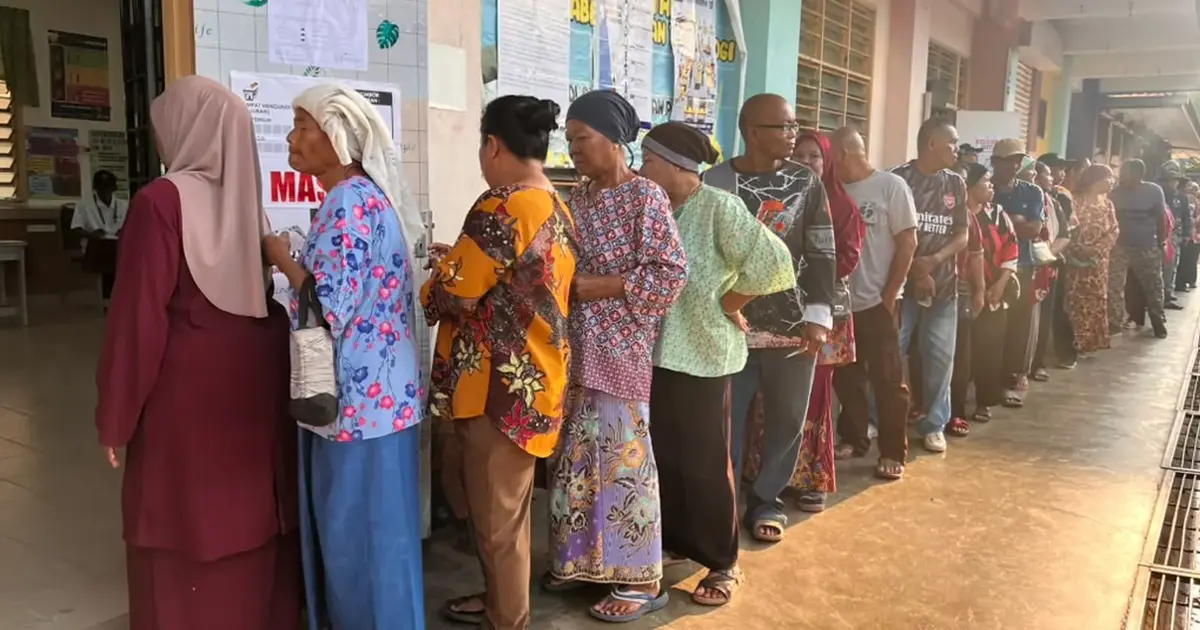
The MCA's success in capturing the Chennah parliamentary seat from the DAP has drawn fresh attention to the electoral mechanics underpinning Malaysia's Barisan Nasional coalition, particularly the symbiotic relationship between the dominant Umno party and its smaller Chinese partner. Political analysts attribute the victory to a decisive mobilisation of Malay voters who turned out in significant numbers to back the coalition's chosen candidate, displacing the incumbent DAP representative Loke Siew Fook from a seat the opposition party had held.
The by-election result underscores a pattern that has long characterised Malaysian coalition politics: when Umno commands strong support within its core Malay-Muslim voter base, the ripple effects extend to allied parties such as the MCA and Sarawak-based component parties. This dynamic reflects the asymmetric power structure within Barisan Nasional, where the larger party's electoral fortunes directly influence the capacity of smaller coalition members to retain or capture seats. The Chennah outcome provides empirical evidence of this principle in action, suggesting that Umno's organisational machinery and messaging have maintained sufficient traction to deliver voting blocs in contested constituencies.
For the MCA specifically, the victory carries particular symbolic weight. As the primary representative of Malaysia's Chinese business and professional communities within the federal ruling coalition, the party has faced sustained electoral pressures over the past decade. Competition from both the DAP on the opposition side and from Umno's own efforts to broaden its appeal beyond Malay voters has squeezed the party's traditional support base. A successful seat capture therefore signals that the MCA can still mobilise constituencies where Chinese voters form substantial portions of the electorate, provided it leverages the broader coalition's Malay voter appeal through coordinated campaigning.
The mechanism behind this advantage reflects Malaysia's constitutional distribution of power and communal voting patterns. Constituencies with mixed demographic compositions often pivot on which coalition can better mobilise the dominant group—in this case, Malay voters—while retaining sufficient support among minority communities. When Umno demonstrates mobilisation capacity, as appears to have occurred in Chennah, coalition partners benefit from the organisational support, volunteer networks, and voter coordination that Umno can provide. This asymmetry means that smaller Barisan Nasional parties are structurally dependent on Umno's electoral performance for their own competitiveness.
The defeat for DAP in Chennah merits examination beyond the immediate results. The party, which has emerged as a principal opposition force in recent election cycles, appears to have faced particular challenges in retaining seats where Malay voter sentiment has shifted or where coalition unity in campaigning has proven especially effective. The loss of Loke, a relatively prominent opposition figure, to an MCA candidate represents a tangible setback for DAP's parliamentary representation and signals that opposition parties cannot assume continuity in constituencies where demographic or political conditions favour coalition mobilisation.
Analysts note that such by-election outcomes carry implications for broader coalition coherence and negotiating dynamics within Barisan Nasional. When smaller parties achieve electoral success through leveraging a larger partner's strength, questions arise regarding resource distribution, seat allocation in future general elections, and the degree to which smaller partners can claim independent mandate or must remain subordinate within the coalition framework. The MCA's Chennah victory may embolden the party to demand more prominent positioning in coalition negotiations, though this depends on whether the result represents a broader trend or a localised phenomenon.
The Southeast Asian context adds another dimension to these dynamics. Malaysia's coalition system operates within a region where coalition stability remains a persistent challenge, with parties frequently shifting alliances or reconstituting governing arrangements following elections. The Barisan Nasional's continued ability to present a unified front and deliver electoral victories—even in competitive by-elections—contrasts with the fragmentation evident in some neighbouring democracies. This resilience, however, depends on maintaining the balance that allows smaller parties meaningful participation while preserving Umno's preponderant position.
Looking forward, the Chennah result may influence strategic calculations within both the ruling coalition and opposition camp. For Barisan Nasional, the demonstration of effective coordination between Umno and MCA could provide template lessons for future contests, particularly in constituencies with mixed demographics where Chinese-majority areas coexist with significant Malay populations. Opposition parties, conversely, may reassess their approaches to such mixed constituencies, potentially seeking better coordination between DAP and Malay-based opposition partners or alternative messaging strategies that can compete with unified coalition campaigning.
The by-election also reflects the ongoing realignment in Malaysian politics following the 2022 general election, which produced a coalition government requiring cooperation among multiple parties with distinct agendas. As the political landscape continues evolving, individual by-election results serve as valuable indicators of shifting voter sentiment and the effectiveness of various parties' organisational capacity. The Chennah outcome suggests that Barisan Nasional, despite its historical dominance, remains attentive to electoral competition and capable of mobilising supporters when motivation runs high—a significant political fact as Malaysia approaches future electoral contests.

