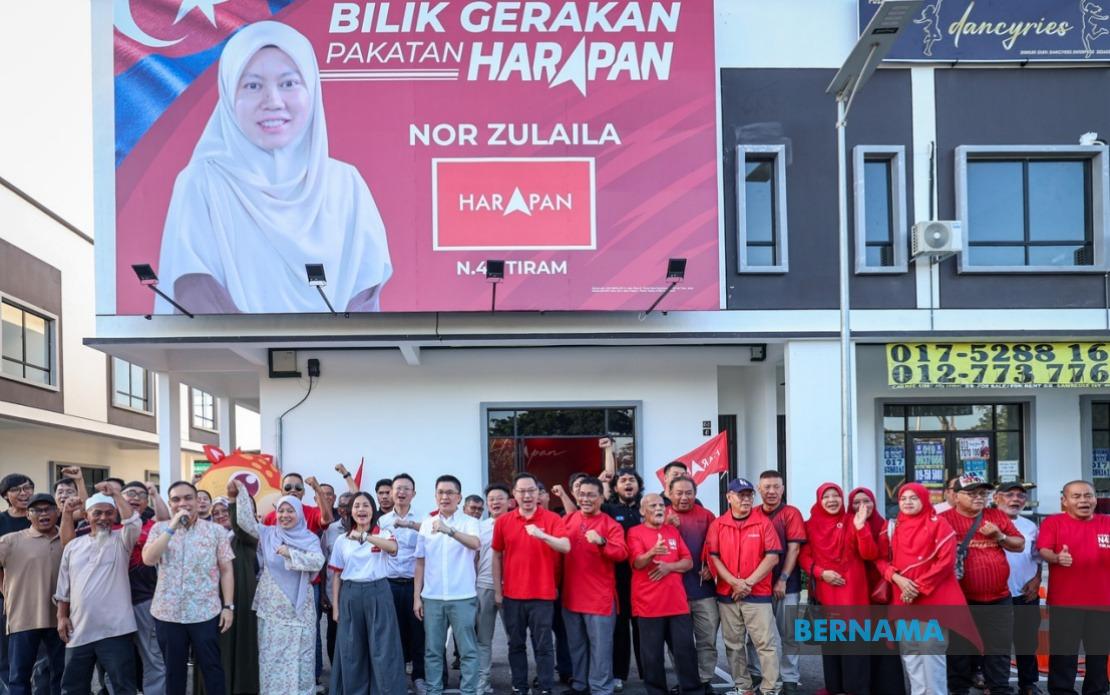
The Malaysian Communications and Multimedia Commission (MCMC) has been directed to maintain optimal internet coverage throughout the upcoming Johor state election campaign, Deputy Communications Minister Teo Nie Ching announced at the Pakatan Harapan operations room launch for the N40 Tiram constituency in Pasir Gudang. The instruction underscores recognition that digital infrastructure has become integral to modern political campaigning, particularly in reaching voters and coordinating campaign activities across the state's diverse constituencies.
Teo's directive reflects the evolving nature of electoral politics in Malaysia, where reliable internet access is no longer a luxury but a fundamental requirement for effective political communication. She emphasized that stable connectivity would facilitate the smooth organisation of political rallies and enable campaigns to deliver information efficiently to voters during the critical weeks leading to polling day. The focus on internet coverage demonstrates how election commissions and government agencies must adapt to support democratic processes in an increasingly digital society.
The MCMC has been instructed to conduct regular monitoring operations, with particular attention to areas anticipated to draw substantial crowds. This targeted approach recognizes that constituencies with higher population densities and campaign activity centres face greater demand on digital infrastructure. By proactively monitoring high-traffic locations, the commission aims to prevent connectivity bottlenecks that could disrupt campaign events or hinder voter access to campaign information at crucial moments.
Teo, who serves as Johor DAP chief alongside her ministerial role, also provided insights into the coalition's campaign strategy and voter sentiment. According to her assessment, Pakatan Harapan has received consistently positive feedback from Johor voters, suggesting receptiveness to the coalition's messaging. Ground-level campaign efforts have revealed encouraging indicators of voter enthusiasm, particularly regarding participation rates across the state.
A notable pattern emerging from campaign activities is the readiness of voters to return to their home constituencies for polling day, even those currently residing elsewhere. This geographic mobility among voters reflects a high sense of civic responsibility and suggests that voter turnout could be substantial. For campaign strategists, understanding these mobility patterns helps in allocating resources and timing messaging to coincide with key voting blocks moving between their current residences and hometowns.
Regarding DAP's electoral strategy in Johor, Teo emphasized that the party refuses to designate any of its 17 contested seats as "safe," a deliberate approach aimed at maintaining consistent effort and vigilance across all constituencies. This philosophy acknowledges the unpredictability of electoral outcomes and guards against the complacency that can arise when candidates or campaign teams believe victory is assured. By treating every seat as genuinely competitive, DAP aims to ensure that each constituency receives adequate resources, volunteer attention, and strategic focus.
The party's refusal to classify seats also reflects awareness that electoral dynamics in individual constituencies vary significantly. Urban centres, suburban areas, and rural regions present different political landscapes, require distinct messaging approaches, and face unique local issues. Teo highlighted that tailoring strategies to account for these contextual differences represents a more sophisticated and inclusive approach to campaigning than applying a one-size-fits-all methodology across the entire state.
The electoral timeline for the Johor state election moves rapidly, with nomination day scheduled immediately following Teo's remarks, early voting set for July 7, and general polling day on July 11. This compressed schedule means that campaign teams must operate with high efficiency and coordination. The emphasis on robust internet infrastructure takes on added urgency within this tight timeframe, as digital channels become essential for rapid information dissemination and last-minute campaign adjustments.
For Malaysian voters and observers, the focus on digital infrastructure during state elections reflects broader trends in how election management has evolved. Regulatory bodies like MCMC play increasingly visible roles in supporting electoral processes, moving beyond traditional broadcasting oversight to encompassing the entire digital ecosystem. This expansion of the regulatory framework demonstrates recognition that elections in the modern era depend on multifaceted technological systems working seamlessly.
The Johor election assumes particular significance for national politics, as state elections often serve as barometers for broader political sentiment and provide momentum or caution signals for federal-level politics. A state with Johor's economic importance and population size commands attention from political strategists across the country. The infrastructure investments being made to support fair and efficient campaigning will set precedents for how subsequent elections are managed and how digital infrastructure is integrated into electoral administration.
Beyond the immediate campaign period, the emphasis on internet coverage highlights infrastructure gaps that may exist in parts of Johor. If monitoring during the election reveals areas with inadequate connectivity, this information could inform longer-term digital inclusion initiatives. Ensuring that rural and remote constituencies maintain communication parity with urban areas during elections also has implications for post-election governance, where digital services increasingly deliver government information and services.
The involvement of multiple senior figures from Pakatan Harapan at the Tiram constituency launch, including Deputy Education Minister Wong Kah Woh, several MPs, and the local candidate Nor Zulaila Abdul Ghani, demonstrated the coalition's commitment to the Johor campaign. The presence of national-level leaders at local campaign events indicates both the stakes involved and the resource allocation dedicated to securing strong performance in the state.
As campaigns intensify over the coming weeks, the MCMC's ongoing monitoring efforts will remain crucial to ensuring that all voters, regardless of location or access circumstances, can receive campaign messages and information necessary for informed electoral choices. The commission's role in facilitating digital infrastructure for elections represents a modern dimension of election administration that Malaysian democracy continues to refine and strengthen.

