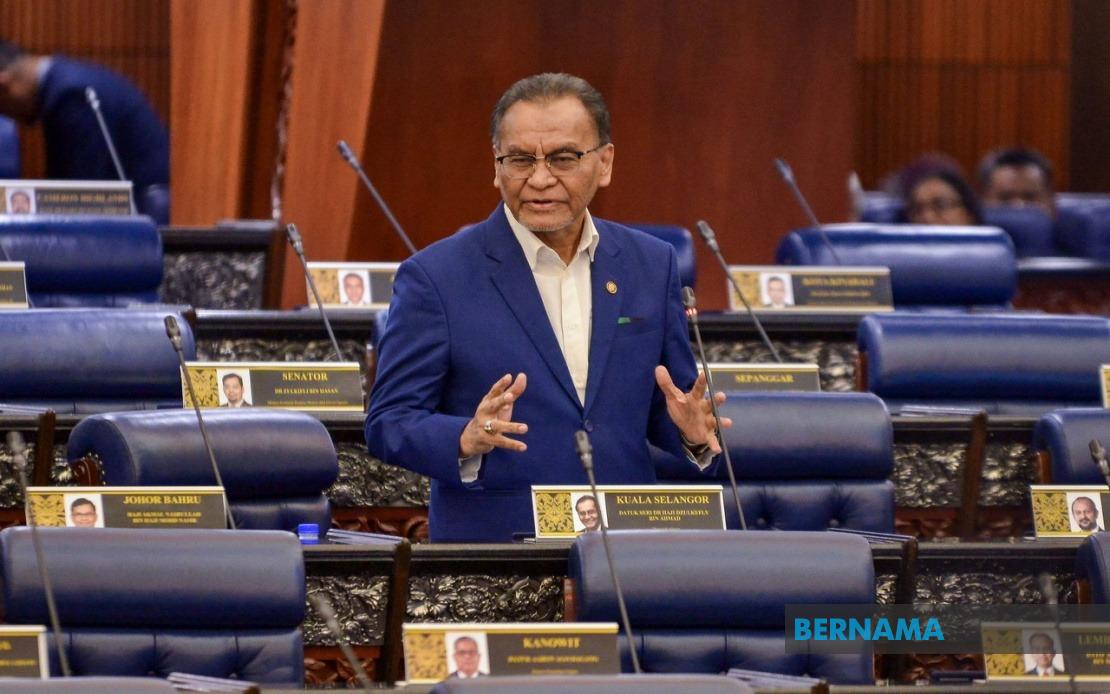
The Malaysian government is intensifying its push to broaden healthcare protection across income brackets through a multi-pronged strategy anchored by the new MediAsas Plan, a medical insurance initiative designed specifically for middle-income earners struggling with escalating private medical expenses. Health Minister Datuk Seri Dr Dzulkefly Ahmad outlined the comprehensive approach during parliamentary proceedings on July 14, framing MediAsas as one component of the RESET framework aimed at combating healthcare inflation while maintaining universal coverage principles.
MediAsas represents a deliberate policy shift acknowledging a critical gap in Malaysia's health protection landscape. While the B40 group benefits from subsidised public facilities and targeted schemes like PeKa B40, and wealthier individuals can readily afford private care, the M40 segment faces mounting pressure from rising private hospital costs without adequate safety nets. This demographic squeeze has become increasingly acute as non-communicable diseases, mental health challenges, and costly diagnostic procedures place private healthcare beyond reach for millions of working Malaysians. The new plan targets this exact vulnerability by offering medical insurance and takaful products with premium rates calibrated for affordability rather than comprehensive coverage maximisation.
The MediAsas structure incorporates a gradual integration of Diagnosis Related Group-based payment mechanisms at private hospitals, a technical innovation borrowed from international healthcare systems that standardises billing and reduces overcharging. By anchoring reimbursement to clinical conditions rather than service volume, the DRG approach creates natural cost constraints while maintaining quality incentives. This mechanism positions MediAsas as more than a simple insurance product—it functions as a structural reform tool capable of influencing private hospital pricing behaviours across the market.
Minister Dzulkefly emphasised repeatedly that MediAsas complements rather than replaces public healthcare, a crucial clarification addressing anxieties about privatisation. Malaysia's public system, sustained through general taxation, continues as the foundation ensuring universal health coverage for all citizens. MediAsas insertion into this ecosystem serves expansionary rather than substitutive purposes, offering additional coverage pathways and choices for those seeking private sector options without abandoning the publicly funded backbone. This layered approach reflects lessons learned in other middle-income Asian nations that maintain robust public systems while enabling private market participation at managed margins.
The rollout timeline reflects measured implementation rather than rushed deployment. A pilot programme launching at the end of July across the Klang Valley will involve six insurance and takaful companies, testing mechanisms and refining operational details before nationwide expansion beginning January 2027. This phased approach allows policymakers to monitor uptake patterns, assess premium adequacy, evaluate provider participation, and adjust regulatory frameworks based on real-world experience. The Klang Valley selection as pilot site makes strategic sense given its concentration of private hospitals, insurance infrastructure, and demographic diversity representative of national M40 profiles.
The MediAsas framework sits within the broader RESET agenda addressing systemic healthcare challenges. Beyond insurance innovation, RESET encompasses electronic medical records interoperability designed to eliminate duplicative testing and scanning—a cost driver affecting both patient expenses and system efficiency. Simultaneously, private hospital bill restructuring efforts aim to increase pricing transparency and standardisation. These parallel initiatives suggest a comprehensive rethinking of healthcare financing rather than isolated band-aid solutions, addressing both supply-side pricing power and demand-side affordability simultaneously.
For the B40 cohort, existing protections expand rather than contract. The government maintains a network encompassing 154 hospitals and over 3,000 public healthcare facilities, supplemented by PeKa B40 specifically designed for lower-income protection, the MADANI Healthcare Scheme, and MySalam coverage. This multi-layered safety net ensures basic healthcare access remains universal while creating distinct pathways reflecting different income capacities and healthcare needs. The stability of B40 provisions despite new M40-focused initiatives indicates commitment to maintaining equity principles even while innovating around middle-income challenges.
MediAsas represents recognition that Malaysia's healthcare architecture had drifted toward bipolarity—public coverage for the disadvantaged and private options for the affluent, with the M40 increasingly squeezed between diminishing public amenities and unaffordable private care. This demographic segment drives Malaysia's consumer economy and represents the politically crucial middle class. Their healthcare security directly impacts productivity, family financial stability, and social cohesion. By extending managed private healthcare access through subsidised insurance, the government addresses both equity and economic development objectives simultaneously.
The scheme's emphasis on pre-existing conditions, non-communicable diseases, and mental health reflects contemporary disease burdens in middle-income Malaysia. Unlike traditional insurance focused on catastrophic acute events, MediAsas acknowledges that chronic disease management dominates modern healthcare spending. By explicitly addressing NCDs and mental health—areas where public coverage remains patchy—the scheme tackles genuine population health priorities rather than simply replicating existing coverage modalities.
Regionally, Malaysia's MediAsas initiative offers instructive lessons for other Southeast Asian nations grappling with healthcare financing. Thailand, Indonesia, and Philippines similarly face middle-income healthcare protection gaps, and Malaysia's structured approach combining insurance innovation, provider payment reform, and layered coverage could inform regional policy discussions. The reliance on takaful alongside conventional insurance also reflects Islamic finance integration increasingly common across Southeast Asian healthcare systems.
Implementation success hinges on several factors beyond policy design. Insurance companies must price competitively while maintaining sustainable margins, requiring accurate actuarial assessment of M40 health profiles. Private hospitals must accept DRG-based reimbursement despite traditional fee-for-service preferences, necessitating regulatory fortitude. M40 awareness and enrollment will prove critical—without strong uptake among target populations, even well-designed schemes fail achieving protective objectives. Public communication campaigns will test government capacity to translate technical healthcare policy into accessible information.
The MediAsas Plan ultimately reflects sophisticated healthcare financing thinking acknowledging that universal coverage and managed market mechanisms need not conflict. By explicitly recognising the M40's distinct position and tailoring protections accordingly, Malaysia demonstrates policy maturity beyond simplistic public-private dichotomies. Success would establish a template for healthcare systems across developing Asia seeking to expand protection without abandoning public provision or exploding government budgets.

