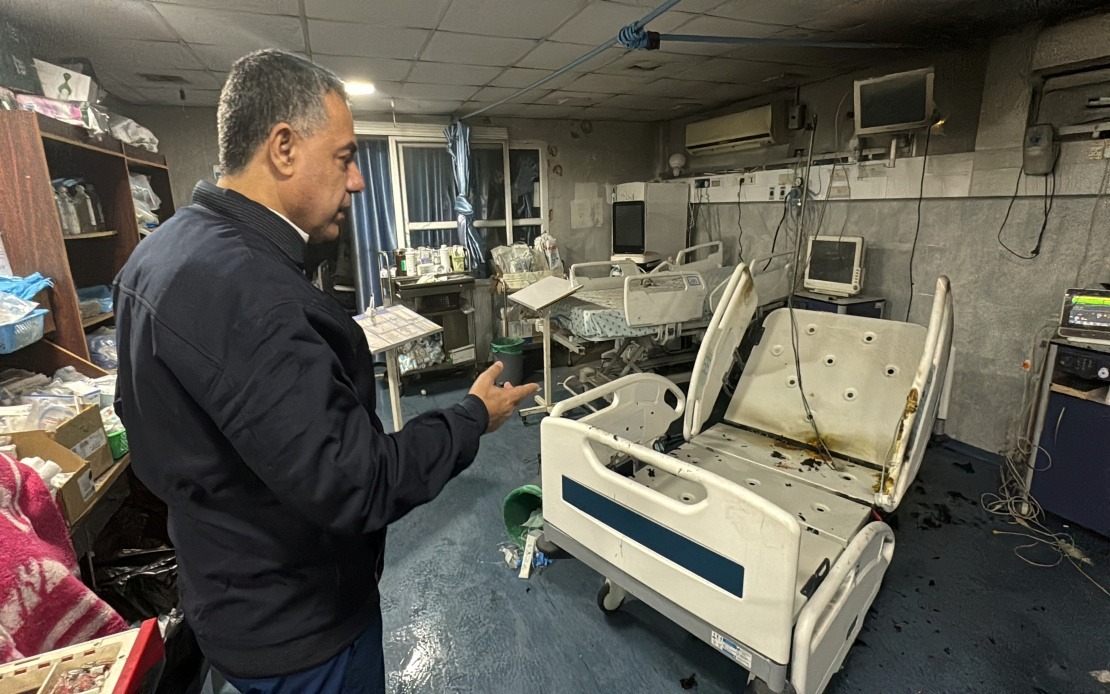
An international human rights watchdog has sounded an urgent alarm regarding the worsening physical condition of Dr Hussam Abu Safiya, the medical director of Kamal Adwan Hospital in Gaza's northern region, alleging he has suffered significant health decline since his transfer to Israel's Nitzan Prison. The warning underscores mounting concerns about the treatment of medical personnel caught in the broader conflict, with implications that extend across the Palestinian health system and humanitarian access issues affecting the entire Gaza population.
Physicians for Human Rights documented findings during a legal visit to the detained doctor on July 2, with the organisation's legal representative Nasser Odeh providing detailed observations of Dr Abu Safiya's physical state. The documented assessment painted a disturbing picture of an individual bearing visible trauma, including pronounced injuries and discolouration affecting his head, facial region around the eyes, ears, and neck areas—injuries so severe that the individual was reportedly difficult to recognise compared to his previous appearance.
Conditions during the prison meeting itself reflected the security protocols applied to the detainee. Dr Abu Safiya appeared before his legal representative while physically restrained with shackles on both hands and feet, accompanied throughout by armed prison personnel whose faces were covered. Such arrangements during legal consultations raise questions about the standard procedures being applied and the implications for the provision of adequate legal representation.
Beyond the visible physical injuries, Odeh documented additional health concerns that suggest more systemic deterioration. The lawyer reported observing respiratory difficulties and multiple incidents where Dr Abu Safiya lost consciousness during their meeting. These symptoms paint a portrait of someone experiencing acute medical distress, potentially indicating complications from injuries sustained or existing medical conditions exacerbated by detention conditions.
The organisation renewed its demand that Israeli authorities release Dr Abu Safiya and other medical professionals currently held in custody, emphasising that these detentions are proceeding without formal charges or judicial proceedings. This aspect of the case raises procedural questions about detention legality and compliance with international humanitarian standards governing the treatment of healthcare workers during armed conflicts.
Naji Abbas, who heads the Prisoners and Detainees Department at Physicians for Human Rights Israel, characterised the documented evidence as among the most alarming testimonies the organisation has collected since the current conflict commenced. Abbas specifically referenced Dr Abu Safiya's expressed fear that he would not survive his detention—a statement that, when combined with the documented physical deterioration, creates an extremely concerning picture of his immediate safety and wellbeing.
A significant aspect of the case involves the apparent correlation between Dr Abu Safiya's legal actions and his physical condition. According to Abbas, the doctor's health situation noticeably worsened following a court appearance where he contested the legality of his continued detention. This sequence of events prompted the human rights organisation to call for an independent investigation into the circumstances, suggesting potential causation between the legal challenge and subsequent mistreatment.
The broader context of Dr Abu Safiya's detention relates to his role directing Kamal Adwan Hospital, one of the few remaining operational medical facilities in northern Gaza. His detention potentially disrupts critical medical leadership and humanitarian operations at a facility serving a population facing severe healthcare challenges. The loss or incapacity of experienced medical administrators in a conflict zone directly impacts the population's access to emergency care and essential medical services.
Physicians for Human Rights Israel has explicitly attributed responsibility for Dr Abu Safiya's health, safety, and survival to Israeli detention authorities, emphasising that international law places obligations on occupying forces and imprisoning states to maintain the welfare of detainees. The organisation stressed the imperative for immediate and urgent action from relevant authorities to prevent further deterioration.
For Malaysian and Southeast Asian observers, the case exemplifies ongoing humanitarian concerns in protracted Middle Eastern conflicts and raises questions about the intersection of medical neutrality, human rights during armed conflict, and the vulnerability of healthcare workers caught between military and civilian spheres. The detention of hospital administrators and medical personnel during conflicts worldwide remains contentious under international humanitarian frameworks that purport to protect healthcare systems from weaponisation.
The incident also resonates within discussions of regional human rights advocacy, where Malaysian-based medical associations and humanitarian organisations have periodically monitored similar situations across multiple conflict zones. The documented physical condition and reported fears expressed by Dr Abu Safiya represent the kind of evidence typically cited in international advocacy efforts seeking intervention in detention cases.
The case remains fluid, with the human rights organisation actively seeking international attention and intervention. The timeline of documented injuries, the court challenge, and subsequent deterioration provides a factual record that will likely feature in ongoing international discussions about detention practices and humanitarian access within the Palestinian territories.

