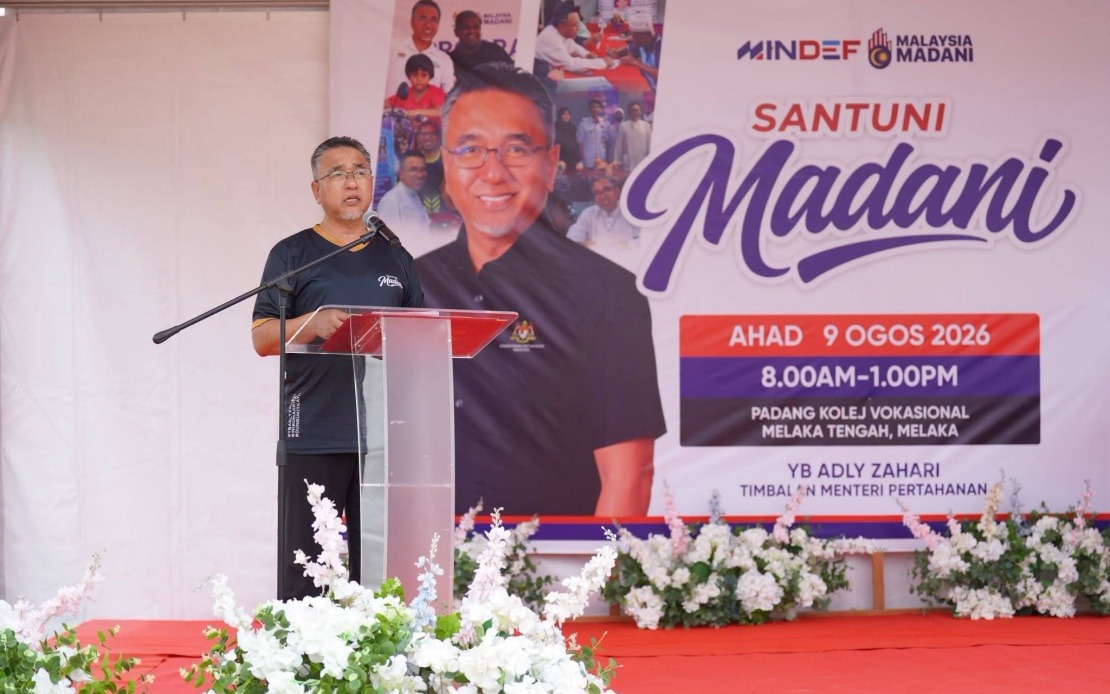
Melaka's Pakatan Harapan coalition has indicated it will consider partnership arrangements with other political entities for the forthcoming state election, according to coalition chairman Adly Zahari. The announcement reflects a strategic calculation that electoral cooperation could enhance the opposition alliance's prospects in a state where it currently holds a minority position. Such a flexible approach marks a departure from some coalition members' previous positioning and suggests PH recognises the competitive landscape requires pragmatic negotiations.
Adly clarified that discussions remain preliminary, with the coalition having conducted two rounds of internal assessment meetings to gauge its competitive standing without yet crystallising formal agreements or determining the precise structure of any external partnership. The decision-making process reflects the deliberative nature of multi-party coalition politics, where individual components must achieve consensus before committing to binding arrangements. This measured approach also allows PH to signal openness to potential partners whilst maintaining internal cohesion during what remains a sensitive phase of electoral preparation.
The coalition has deliberately avoided initiating formal negotiations with Melaka's Barisan Nasional branch, though Adly emphasised receptiveness towards any party whose political philosophy aligns with Malaysia MADANI's foundational commitments. This framing suggests PH would prioritise ideological compatibility over raw arithmetic in assessing potential partners, potentially excluding certain political entities despite their electoral utility. The emphasis on shared values reflects how Malaysian coalitions increasingly package their cooperative arrangements as expressions of principled governance rather than merely transactional political marriages.
PH's current position in Melaka, where the coalition secured five of twenty-eight state assembly seats in recent contests, represents a modest foothold requiring substantial growth to constitute a competitive alternative to BN dominance. The five-seat baseline reflects the structural challenges opposition coalitions face in peripheral regions where incumbent networks, administrative resources, and established patronage systems favour ruling coalitions. Understanding Melaka's political demography thus becomes essential for contextualising PH's strategy.
The coalition's growth strategy focuses particular attention on three parliamentary zones where it demonstrated electoral competitiveness: Alor Gajah, Kota Melaka, and Hang Tuah Jaya. These constituencies represent bridgeheads from which state-level expansion might logically proceed, as voters supporting PH federal representatives might reasonably be expected to provide a foundation for state-level backing. Additionally, PH has identified secondary targets in Tangga Batu, Masjid Tanah, and Jasin constituencies, where assessment work suggests potential for breakthrough despite present BN advantages.
Adly's optimism regarding seat gains must be weighed against the formidable structural challenges confronting state-level opposition politics in Malaysia. Even where federal-level opposition coalitions perform credibly, state elections frequently produce divergent results reflecting local dynamics, personality politics, and community-specific issues often invisible to national political narratives. Melaka's relatively small size and concentrated demographic composition further suggests that granular ground-level organising and candidate selection will prove decisive.
Within the broader coalition framework, PKR's Melaka leadership acknowledged through its acting state councillor Adam Adli that local political circumstances differ substantially from those governing Unity Government arrangements in other states. This honest assessment recognises that imported coalition formulas often perform poorly when transplanted to unfamiliar political terrain without adjustment for state-specific factors. Such flexibility in approach, whilst appearing indecisive to critics, actually reflects sophisticated understanding of how Malaysian electoral politics operate at different governmental levels.
Adam Adli's emphasis on informal discussions and individual-level engagement with potential partners, rather than institutionalised negotiations, reveals how coalition development proceeds through networks and personal relationships before formalisation through party structures. This gradualist approach allows significant progress without generating inflammatory public announcements that might constrain negotiating flexibility or provoke grassroots backlash among party members protective of their formations' independence. The pattern reflects how Malaysian political negotiations typically unfold beneath visible public discourse.
Currently, PH's state representatives are deliberately maintaining focus on constituency service and governance duties whilst moderating political rhetoric, a strategic choice intended to demonstrate administrative competence and restraint. This positioning allows opposition figures to build positive public perception through functional governance rather than opposition to ruling coalitions. The emphasis on avoiding "excessive political polemics" also signals to potential coalition partners that PH operates disciplined, professionalism-oriented political machinery rather than volatile ideological movements prone to internal dysfunction.
For Malaysian readers and observers across Southeast Asia, Melaka's political manoeuvering carries implications beyond the state's boundaries. Opposition coalitions navigating between maintaining internal cohesion and pursuing electoral competitiveness face persistent tensions without durable resolution. The degree to which PH successfully manages these competing pressures in Melaka may offer instructive lessons for other regional opposition movements attempting to construct competitive alternatives to entrenched incumbent coalitions whilst preserving their constituent components' distinctive identities and political brands.
The absence of formal BN engagement at this juncture remains noteworthy, potentially reflecting either BN confidence in its existing position or calculation that formal negotiations would be premature before PH clarifies its internal coalition architecture. The coming months will reveal whether PH's receptiveness to cooperation translates into actual partnership agreements or remains posturing that ultimately results in a substantially PH-contested election campaign. Such clarity will ultimately determine whether the coalition's optimism regarding seat expansion represents realistic assessment or wishful projection of party strength.

