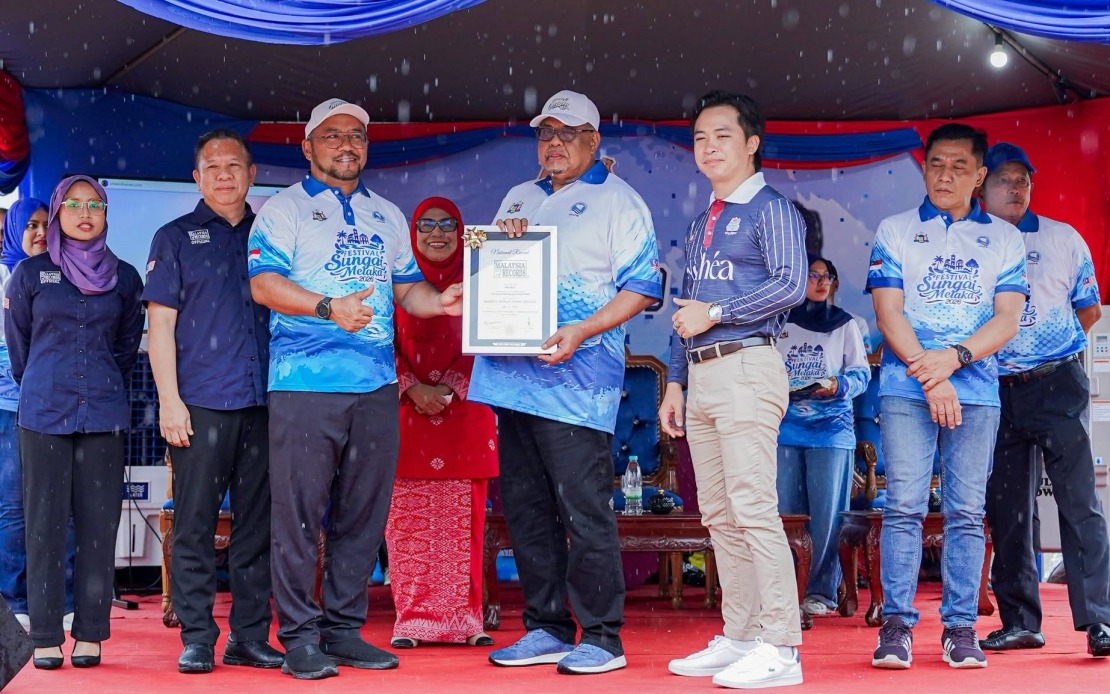
Melaka's state-backed river cruise operator is banking on reaching the one million passenger milestone before year-end, buoyed by strong mid-year figures that suggest the tourism product has found solid commercial traction in an increasingly competitive regional leisure market. With 350,000 passengers already having experienced the Melaka River Cruise by June, the operator faces the challenge of drawing another 600,000 visitors in the second half of 2024—a target that hinges on sustained domestic demand and improved international marketing.
Perbadanan Pembangunan Sungai dan Pantai Melaka, the state authority managing river and coastal development, remains upbeat about its prospects despite the steep climb ahead. Chief executive Shaharul Azuar Idris acknowledged that roughly 60 per cent of the annual target remains to be captured, signalling both the scale of ambition and the operator's conviction that current momentum can be maintained. This confidence rests partly on the rollout of differentiated pricing strategies and expanded promotional outreach, both domestically and internationally, designed to position the cruise as an essential Melaka experience rather than a secondary attraction.
The cruise offering has become emblematic of Melaka's broader tourism repositioning, particularly as the state seeks to diversify visitor experiences beyond heritage and shopping. The scenic river passage through the state capital appeals to multiple demographics—from family groups seeking gentle recreation to international tourists hunting for authentic local colour and photogenic vistas. This versatility underpins the operator's belief that continued growth is achievable, though regional competition from similar attractions in Penang, Johor, and across the Strait remains a persistent challenge.
Service expansion and modernisation form a central pillar of the growth strategy. The operator currently maintains a fleet of 60 vessels: 30 dedicated to the main Melaka River Cruise and 30 operating the parallel Eco Cruise offering at Tasik Chinchin, a freshwater lake destination that complements the river experience. Proposals to introduce newer boats equipped with cutting-edge technology are under review, reflecting a recognition that aging fleets can become liabilities in tourism markets where passenger expectations around comfort, safety, and amenity are constantly rising. Simultaneously, premium vessels including the 'Everlasting Love Boat' and 'Tun Khalil Cruise' have undergone upgrades incorporating dining experiences, a value-add that allows the operator to command higher per-passenger revenue and cater to more affluent segments.
The emphasis on service quality extends beyond vessels to operational readiness. Shaharul Azuar stressed that the operator is preparing sufficiently large crews and boat deployments to prevent bottlenecks and extended wait times—a critical concern for tourist satisfaction and repeat visitation. In the Southeast Asian tourism context, where word-of-mouth and social media reviews heavily influence travel decisions, operational friction such as long queues can quickly erode an attraction's reputation. The commitment to queue management suggests PPSPM recognises that passenger numbers are only meaningful if paired with positive experiences that encourage recommendations.
A significant promotional opportunity has emerged through the National Day celebration on August 31, when the state government is offering more than 5,000 free rides on both the Melaka River Cruise and Eco Cruise Tasik Chinchin. This initiative, branded under the Melaka Sayang Rakyat scheme, serves a dual purpose: it positions the state government as benefactor to local residents whilst simultaneously exposing a large captive audience to the cruise product in hopes of converting free-ride participants into paying customers in future visits. Such loss-leader strategies are common in tourism, though their efficacy depends on the quality of the experience delivered and the ease with which participants can later book paid services.
The timing of this promotional push is noteworthy given Malaysia's broader economic context. Consumer spending remains uneven across income groups, and discretionary tourism spending is typically among the first expenditures households trim during economic uncertainty. By offering free experiences tied to a national occasion, the state is attempting to lower the barrier to trial, a particularly important tactic for attracting price-sensitive domestic tourists who might otherwise choose costless alternatives such as visiting beaches or shopping malls. Converting these free-trial participants into regular paying customers will require careful attention to experience quality and post-ride engagement strategies.
Melaka's river cruise initiative also reflects deeper regional trends in tourism infrastructure development. Southeast Asian states have increasingly recognised that cultural and nature-based attractions, when properly packaged and promoted, can generate sustained revenue and employment without the environmental or social costs sometimes associated with mass-market beach tourism. The Melaka River Cruise taps into this strategic thinking, leveraging the state's historical significance, urban waterway assets, and existing tourism infrastructure to create a differentiated offering. The scenic surroundings that Shaharul Azuar referenced encompass both natural features and the colonial-era architecture that lines sections of the river, creating an integrated experience that appeals to heritage-conscious visitors.
From a Malaysian regional perspective, Melaka's tourism ambitions matter because the state is in direct competition with Penang, Johor Bahru, and Langkawi for domestic and international visitors. Each state is attempting to deepen visitor spend and length of stay through diversified attractions. Melaka's historical brand advantage—rooted in its status as a UNESCO World Heritage site and the cultural layering evident in its architecture, cuisine, and festivals—provides a foundation, but execution matters enormously. A successful cruise product enhances the state's overall tourism ecosystem by providing a revenue-generating activity that can be bundled with heritage tours, dining experiences, and shopping, thereby increasing average per-visitor expenditure.
The operator's confidence in reaching the one million passenger target, whilst ambitious, is not implausible given the strong start to the year. The challenge lies in sustaining and accelerating growth beyond the mid-year point, when initial curiosity-driven demand may have been substantially satisfied. This will require the strategies outlined—enhanced promotional intensity, new boat acquisitions, premium service offerings, and strategic free-ride campaigns—to collectively overcome passenger fatigue and seasonal demand fluctuations. Whether PPSPM can execute these initiatives smoothly and deliver consistently positive experiences to passengers will ultimately determine not just whether the annual target is met, but whether the cruise becomes a durably profitable anchor attraction for Melaka's tourism sector.

