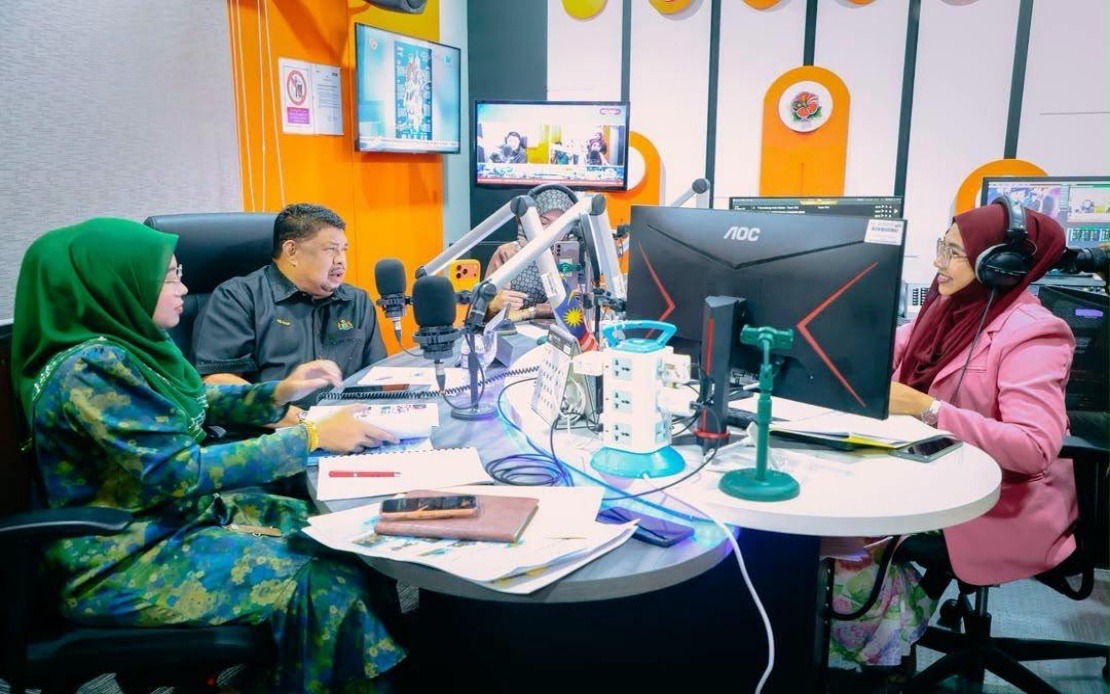
Melaka's National Day festivities next year will shift to a new coastal venue, bringing with it an expanded programme that showcases the country's defence capabilities alongside cultural performances. The state-level celebrations at Dataran 1Malaysia Klebang, scheduled for August 29-31, 2026, will centre on the CIMIC Carnival—a joint civil-military initiative designed to strengthen ties between the armed forces and local communities. Chief Minister Datuk Seri Ab Rauf Yusoh outlined the three-day event as a significant departure from the previous two years, when celebrations were anchored at Dataran Pahlawan in the city centre.
The relocation to Klebang represents a strategic shift in how Melaka presents its National Day observance to residents and visitors. By moving the celebrations to a coastal setting, state authorities have positioned the event to accommodate larger crowds and more ambitious displays, particularly those involving military hardware. The choice of venue allows for waterfront activities that would be impossible in the city's established ceremonial spaces, enabling planners to integrate naval vessels as centrepieces of the festivities rather than mere symbolic elements.
Three Royal Malaysian Navy warships will be anchored off the Klebang coastline, offering unprecedented public access to naval assets. This feature addresses long-standing public curiosity about Malaysia's maritime defence posture, which gains particular relevance given regional maritime complexities and the strategic importance of the Strait of Malacca. Visitors will have the opportunity to board and tour these vessels, transforming what is typically a distant, official institution into something tangibly accessible. Such initiatives serve a dual purpose: they foster civil-military integration while simultaneously building public understanding of defence spending and military operations.
The CIMIC Carnival itself, launching on the morning of August 30, will showcase an extensive array of military demonstrations designed to educate and entertain. Parachute jumps by trained personnel, fighter-jet flypasts, and helicopter displays promise to draw crowds seeking dramatic visual spectacle. Additionally, special forces units will conduct live demonstrations, illustrating combat techniques and tactical operations. These exhibitions reflect growing trends across Southeast Asia whereby armed forces utilise public engagement to enhance recruitment, maintain political legitimacy, and normalise military presence in civilian spaces.
The evening of August 30 will transition to cultural programming, designated as Merdeka Eve celebrations. Renowned Malaysian artists including Ziana Zain, Amy Search, and Charly Van Houten are scheduled to perform, anchoring the festivities to the nation's entertainment landscape. This programming strategy deliberately interweaves military spectacle with popular culture, creating a balanced narrative where patriotic messaging coexists with commercial entertainment. The juxtaposition enables broad demographic appeal, engaging military enthusiasts and defence policy observers alongside families seeking evening entertainment.
The culminating day on August 31 will feature a comprehensive programme encompassing vehicle processions showcasing military and civilian assets, ethnic and cultural performances reflecting Melaka's multicultural composition, organised field events, and a floats parade. This structure ensures that various segments of society—from schoolchildren participating in contingent marches to performers representing different communities—maintain protagonistic roles in the celebration. Rather than passive spectators, citizens are positioned as active participants, reinforcing collective national identity through visible involvement.
Religious observances form an important component of the broader celebrations, reflecting Malaysia's demographic and constitutional landscape. The Melaka Berselawat programme on August 29 will feature congregational prayers and qasidah performances, with special guest Habib Syech Assegaf delivering a religious address. This integration of Islamic religious programming into secular national celebrations reflects Malaysia's constitutional position as an Islamic federation with other recognised religions. The inclusion of such elements acknowledges that for many Malaysians, patriotic feeling and religious conviction are inextricably linked.
Accommodating an expected influx of visitors required substantial logistical planning. The organisers have allocated 2,000 seats within a dedicated public grandstand, with additional seating in designated parade-route areas for those unable to secure grandstand positions. This tiered seating arrangement creates de facto spatial hierarchies, with premium viewing locations differentiating attendees by access and proximity. Such arrangements are typical of Malaysian state occasions, where official and invited guests occupy distinguished positions while general public participation occurs in secondary zones.
Transportation infrastructure has received considerable attention, with nearly 5,000 parking spaces distributed across 11 public parking zones surrounding Dataran 1Malaysia Klebang. This significant provision acknowledges Melaka's role as a major tourist destination and the state's reliance on personal vehicle transportation. Shuttle bus services will operate from parking areas to the celebration venue, reducing congestion and fatigue associated with extended walking. These logistical details, while seemingly mundane, prove critical to event success; inadequate parking or transportation difficulties can quickly transform celebrations into sources of public frustration.
Traffic management constitutes another crucial dimension. Authorities will implement scheduled road closures and traffic control measures during rehearsals and the actual celebrations, requiring careful coordination to minimise disruption to non-celebratory traffic. Melaka's existing congestion challenges, particularly during tourist seasons and weekends, mean that National Day celebrations necessitate comprehensive traffic planning. The timing of road closures and alternative route designations will determine whether the event enhances or detracts from public perception of state governance competence.
The broader significance of Melaka's expanded National Day celebrations extends beyond the state's boundaries. As a historical heartland of Malaysian identity and a major tourist destination, Melaka's National Day programming attracts national media attention and serves as a template potentially adopted by other states. The integration of military displays with cultural programming, the emphasis on civilian-military cooperation, and the deployment of public participation reflect evolving approaches to national commemoration across Southeast Asia. These celebrations simultaneously express patriotic sentiment, reinforce institutional legitimacy, and create commercially valuable tourism moments.
Public cooperation remains essential for smooth execution. Authorities have urged visitors to plan journeys carefully and adhere to official instructions, recognising that large-scale public events depend fundamentally on crowd discipline and compliance. The success of these celebrations will be measured not merely by attendance numbers or media coverage but by whether the integration of military spectacle, cultural performance, and public participation achieves the underlying objectives of national cohesion and institutional strengthening.

